
What Adds the Most Value to a Home? A Kansas City Builder Answers
I've built more than 100 homes from the ground up and flipped over 150. I've also walked through thousands of houses as a Kansas City real estate agent, deciding what to fix, what to leave alone, and what to price around. So when someone asks me what adds the most value to a home, I don't guess. I've spent real money finding out. I've watched plenty of it come back, and I've watched plenty of it disappear into the walls forever.
Here's the honest version most people won't tell you. The projects that feel the most exciting are usually the ones that return the least. The boring stuff is what actually pays you back. If you're weighing a renovation before you sell, book a quick call and we'll look at your specific house before you spend a dollar. But first, let me show you the pattern I've learned the hard way.

What Adds the Most Value to a Home? The Short Answer
Buyers pay for two things. What they can see and feel the moment they walk in, and what protects them from expensive surprises after they move in.
That's it. Everything else is noise.
The improvements that add the most value hit one of those two buttons. Fresh, clean, and current on the visible side. Sound roof, working systems, and no deferred maintenance on the protection side. When a project doesn't touch either button, your money tends to stay in the house and never come back out at the closing table.
Keep that filter in your head as we go through this. See and feel, or protect from surprises. If a project does neither, be very careful with your budget.
The Home Improvements That Actually Return Money
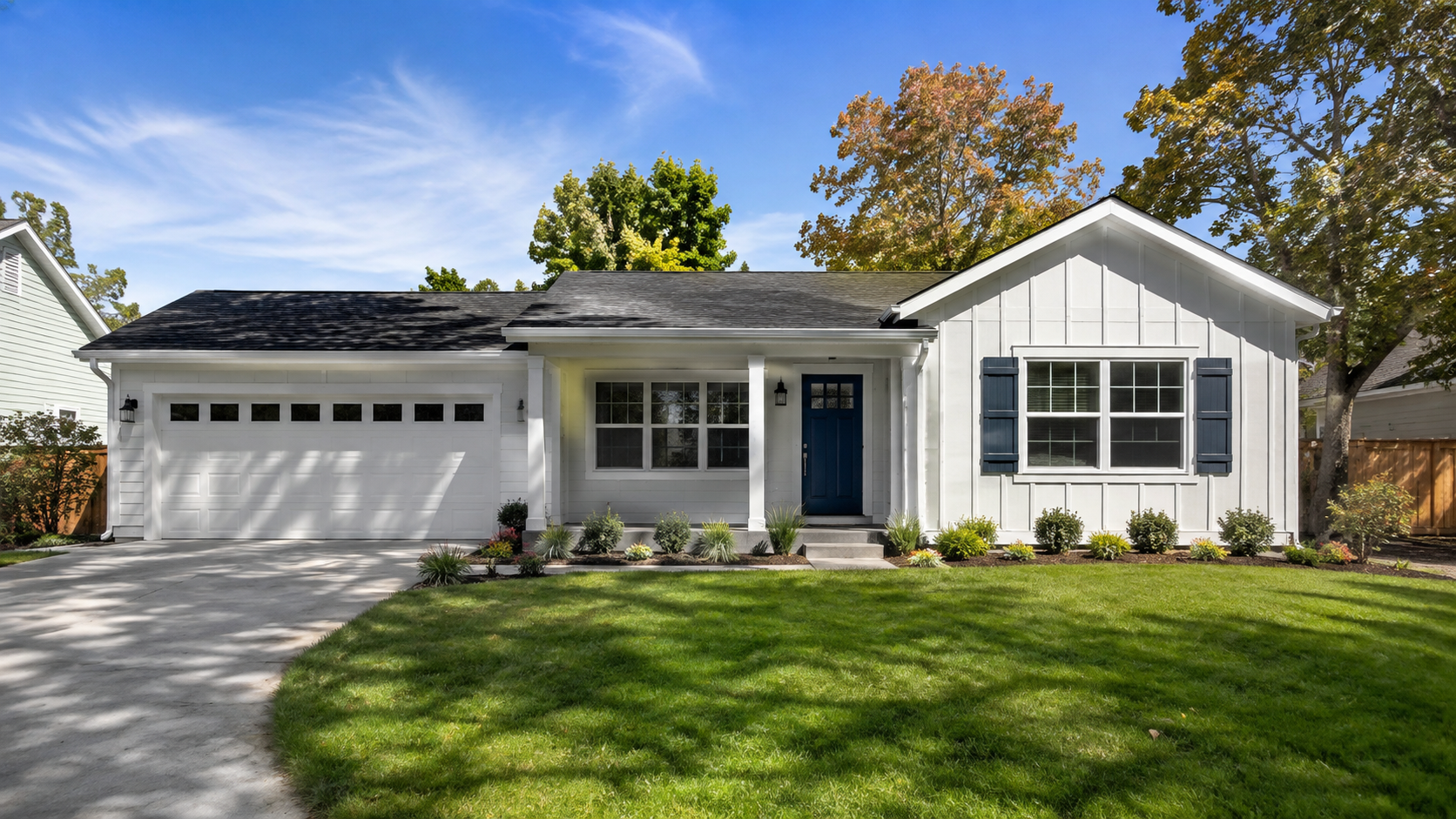
These are the best home improvements for resale value, ranked the way a builder thinks about them, not the way a magazine does. Notice how cheap most of them are.
Curb Appeal and the Front Door
The buyer decides how they feel about your house before they ever walk inside. That first impression sets a price ceiling in their head, and everything after that either confirms it or fights it.
The good news is that curb appeal is cheap. A few high-return moves:
Paint or replace the front door
Fresh mulch, trimmed bushes, and a clean lawn
New house numbers, a modern light fixture, and a clean doormat
Pressure wash the driveway, siding, and walkways
Exterior projects like a new garage door or a new entry door are consistently among the highest-return improvements you can make on a percentage basis. They're relatively cheap, and they hit that first impression head on.
My architecture background taught me something here. Proportion and symmetry read as "quality" to buyers who could never tell you why. A balanced front elevation with a strong door just feels more expensive. Use that.
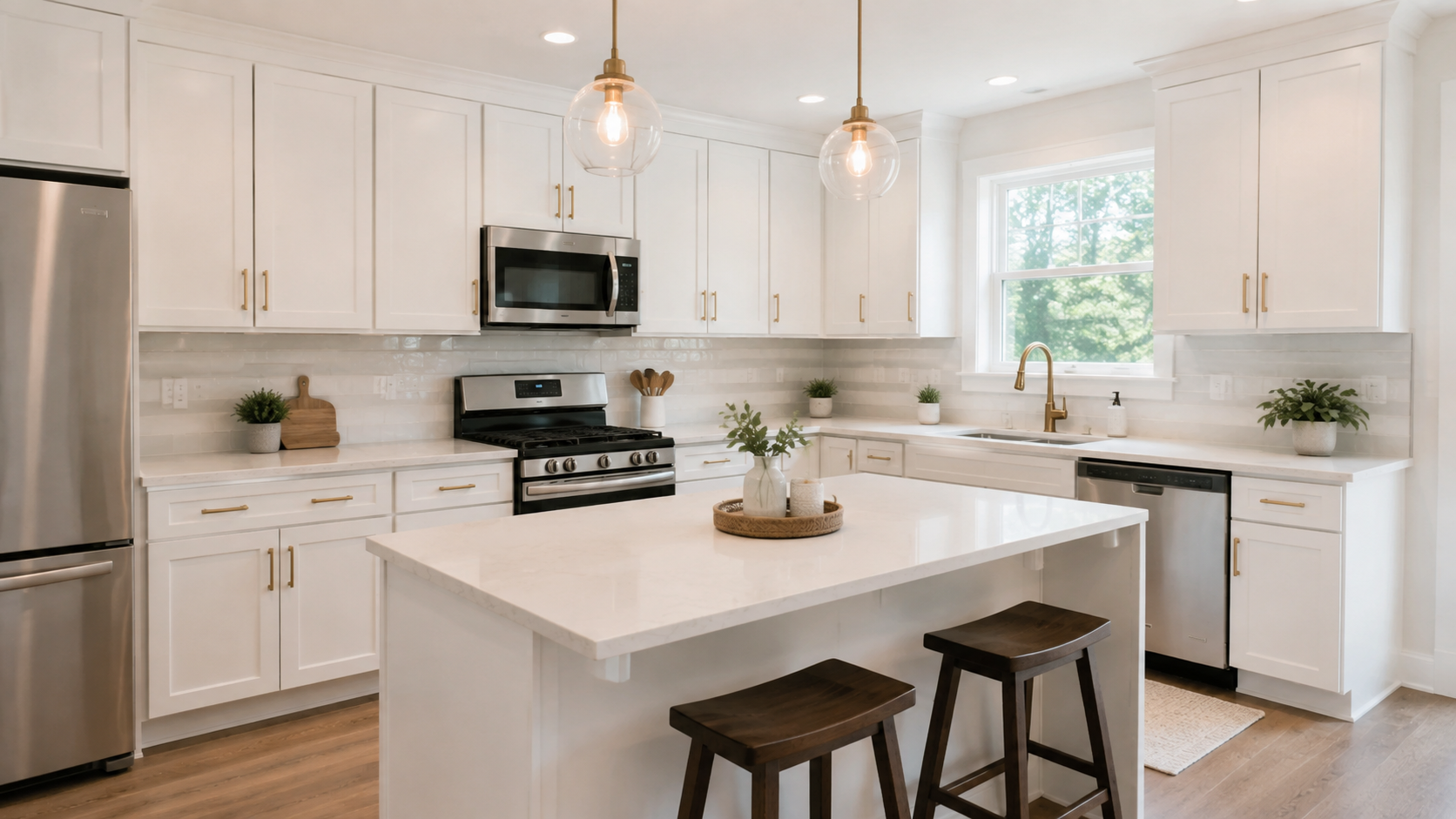
A Kitchen Refresh Beats a Full Kitchen Rebuild
The kitchen sells the house. Everybody knows that. But here's what most people get wrong about kitchen remodel ROI. A full gut remodel rarely returns what you put into it.
The pattern is almost a law at this point. The bigger the kitchen budget, the lower the percentage you get back. A mid-level refresh returns far more per dollar than tearing the room down to the studs.
A smart refresh usually means:
Paint or reface the cabinets instead of replacing them
New hardware, faucet, and lighting
New countertops
Update appliances only if the current ones look dated or don't match
Only gut a kitchen to the studs if it's truly non-functional, badly laid out, or you're an investor pricing to a specific after-repair value. For a normal seller, a clean and current kitchen beats a brand-new one you overpaid for.
Bathrooms That Feel Clean and Current
Buyers forgive a lot of things. A dated but clean bathroom is one of them. A gross bathroom is not.
You do not need luxury here. You need clean and current. The high-value, low-cost moves:
New vanity, toilet, mirror, and light fixture
Fresh grout and caulk
A modern faucet
Re-glaze the tub instead of replacing it
I've seen a $1,500 bathroom refresh move the needle on a whole showing. I've also seen sellers drop $20,000 on a spa bathroom and get almost none of it back. The buyer just needed it to feel clean.
Paint and Flooring
This is the cheapest value per dollar in the entire house, and it's not close.
Neutral paint throughout and consistent flooring on the main level do three things at once. They make rooms feel bigger. They make the house feel newer. And they quietly remove objections before the buyer can form them.
If you only have a small budget, spend it here first. Every time.
The Boring Stuff That Protects the Buyer
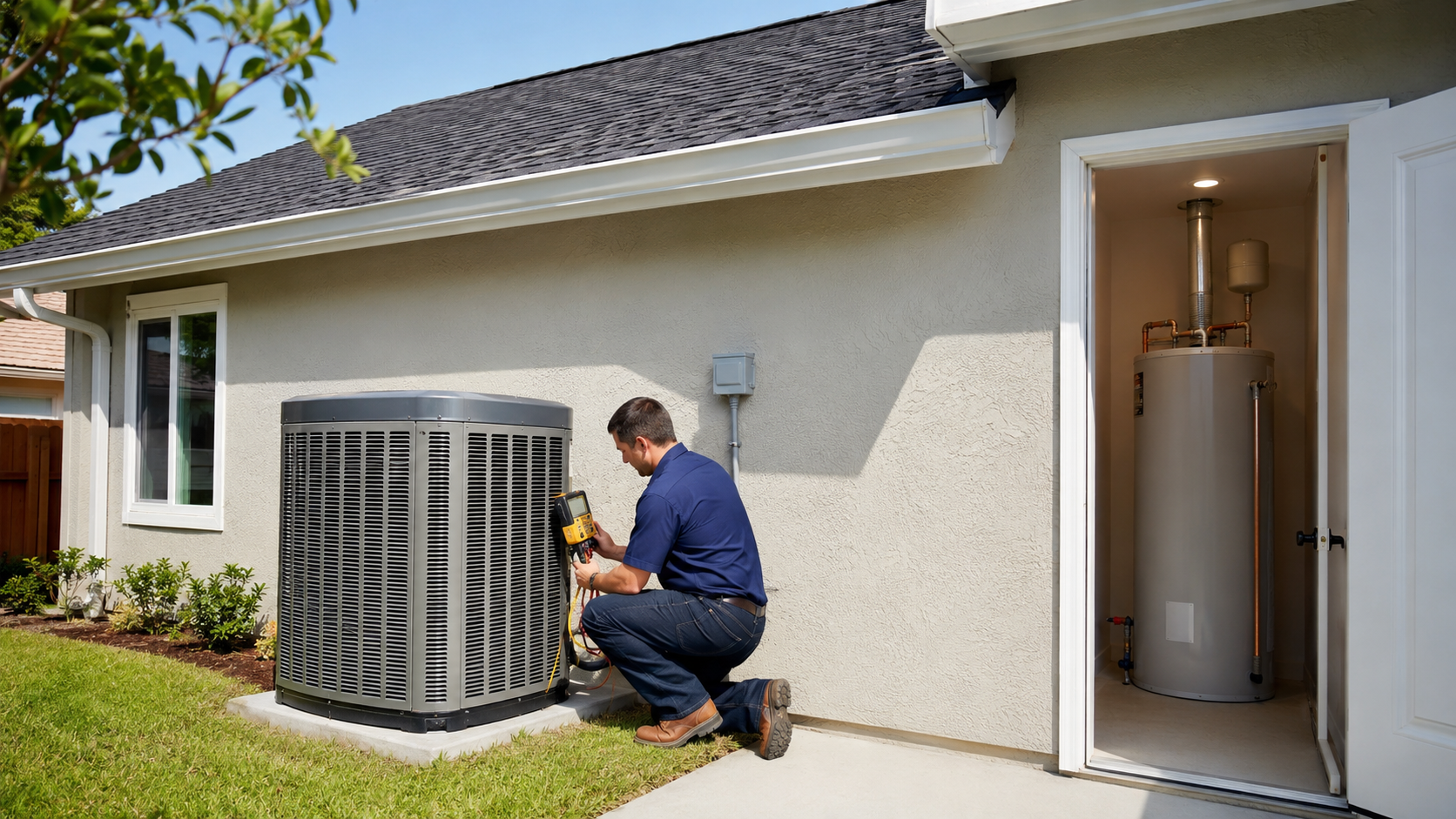
Roof. HVAC. Water heater. Electrical panel. Plumbing. Foundation.
None of this is exciting. None of it makes a buyer say wow. But it's some of the most important value in the house, because it removes fear.
Here's the nuance that trips people up. A new roof rarely appraises for dollar-for-dollar of what you spent. But an old, failing roof can cost you the entire deal, or a huge credit at inspection. That's a completely different math problem. You're not spending to add value. You're spending to stop losing it.
Deferred maintenance is where buyers renegotiate hardest. Handle it before you list, and you take away their biggest lever.
Reclaiming Usable Square Footage
Livable, finished, permitted square footage is where the real value lives. Finishing a basement, converting an awkward bonus room, or opening up a cramped floor plan can all add serious value when done right.
But this is where my architecture background makes me argue with people. Flow matters more than raw square footage. A kitchen, living, and dining space that connect and breathe will beat the same footage chopped into small, disconnected rooms every time. Don't just add space. Add space that works.
The Renovations That Don't Pay Off
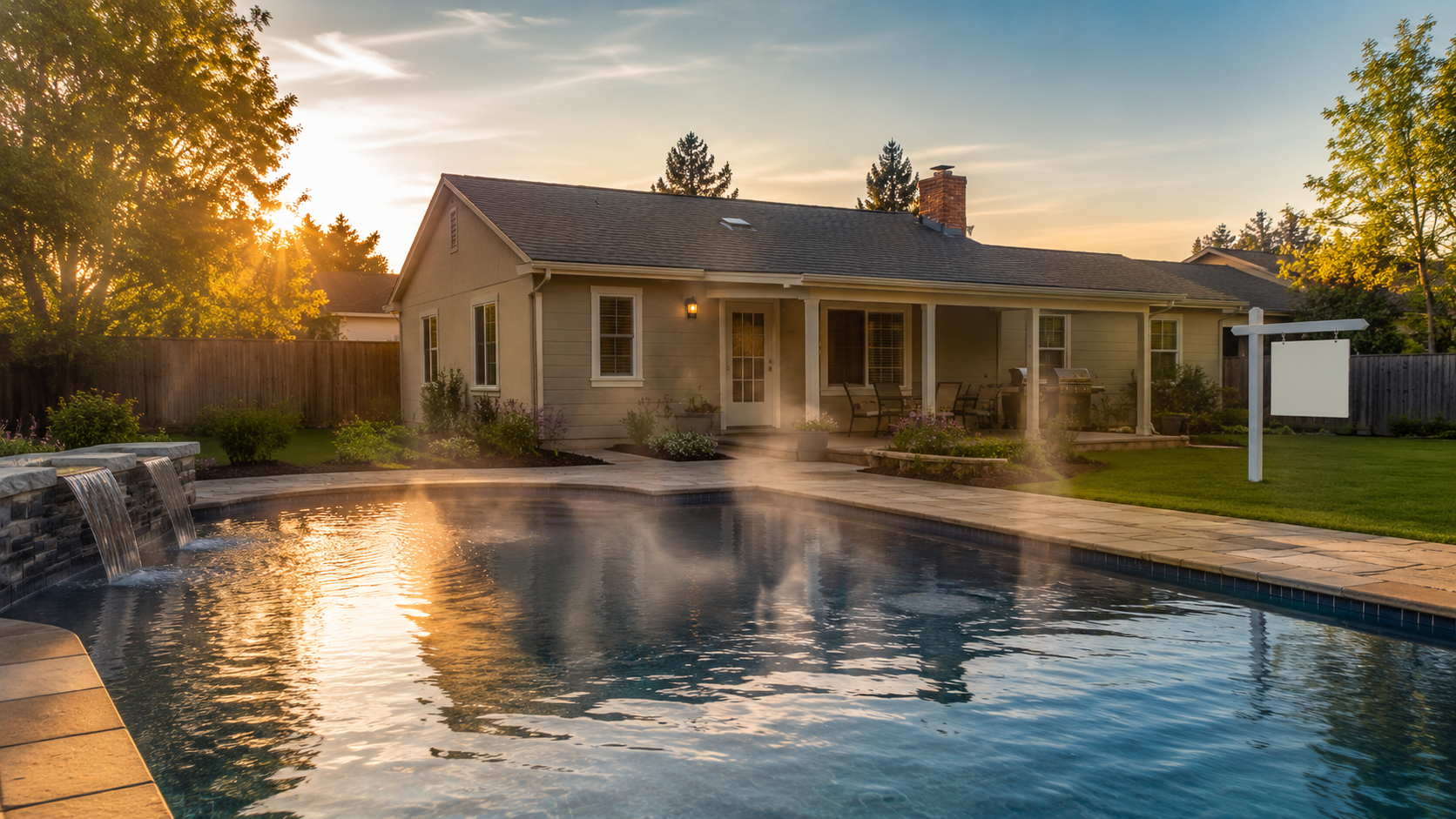
Now the other side. These are the renovations that don't pay off, and I've watched every one of them lose money in real life.
Over-Improving for the Neighborhood
Every street has a price ceiling. It's set by the block, not by your receipts.
You cannot build a $600,000 finish into a $350,000 neighborhood and expect the market to pay you back. The buyers shopping that street have a number in their head, and no amount of quartz and shiplap moves it much. Different Kansas City neighborhoods carry very different ceilings, and knowing yours is half the battle.
Match your finish level to the neighborhood, not to Pinterest.
Pools, Sunrooms, and Anything Built to Your Taste
Pools are the classic example. In most of our market, a pool is neutral at best and a negative at worst. It splits your buyer pool right down the middle. Half want it, half see maintenance and liability.
The same goes for sunrooms, elaborate landscaping, koi ponds, wine cellars, and bold custom design choices. The more personal the project, the more it narrows your buyer pool. A narrow buyer pool means a lower price and a longer time on market. Build for the market, not for your specific taste, if selling is the goal.
The Full Gut When a Refresh Would Do
This is usually an emotional decision, and it eats margin alive.
I've watched sellers spend heavily on a full renovation to net a fraction of it back, when a targeted refresh would have gotten them most of the same result for a quarter of the cost. If you're selling, the goal is not the prettiest house. The goal is the best net check.
Do I Need to Remodel Before Selling?
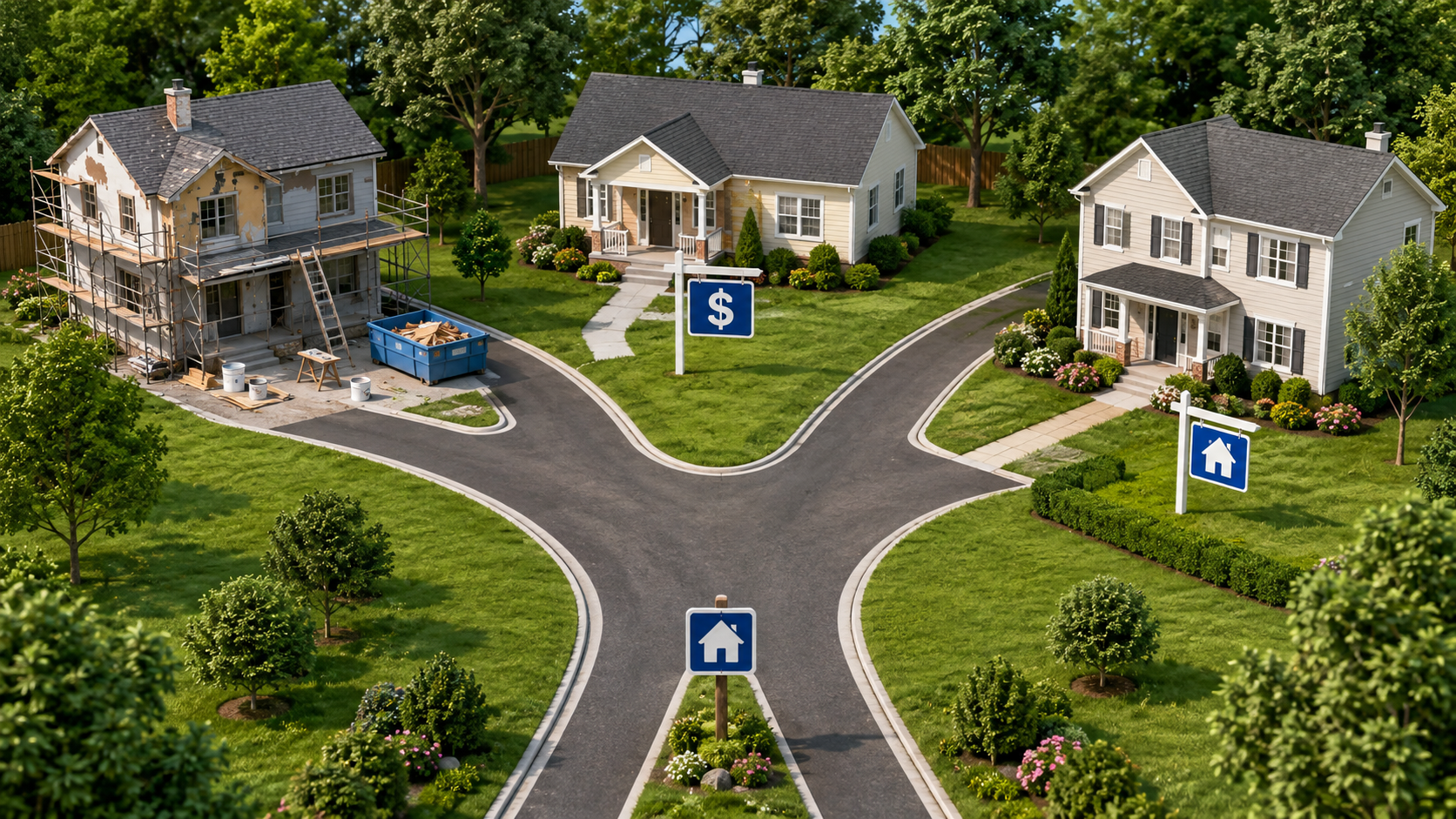
This is the question I get most, so let me answer it straight. Do I need to remodel before selling? Often, no.
You actually have three real paths, and the right one depends on your house, your timeline, and your goals:
Fix it and list it. Do only the high-ROI updates from the first half of this article, then hit the market.
Sell as-is. Take a clean offer from cash home buyers Kansas City, skip the work entirely, and trade a little price for zero hassle and a fast close. You can get a cash offer here.
List as-is at the right price. Sometimes the market rewards a fair price on an honest house more than a rushed remodel would.
The expensive mistake is defaulting to "renovate everything" without running the net. Before you swing a hammer, get a real number on your house. You can check your home value and we'll help you model whether the work is even worth it.
How Kansas City Neighborhoods Change the Math
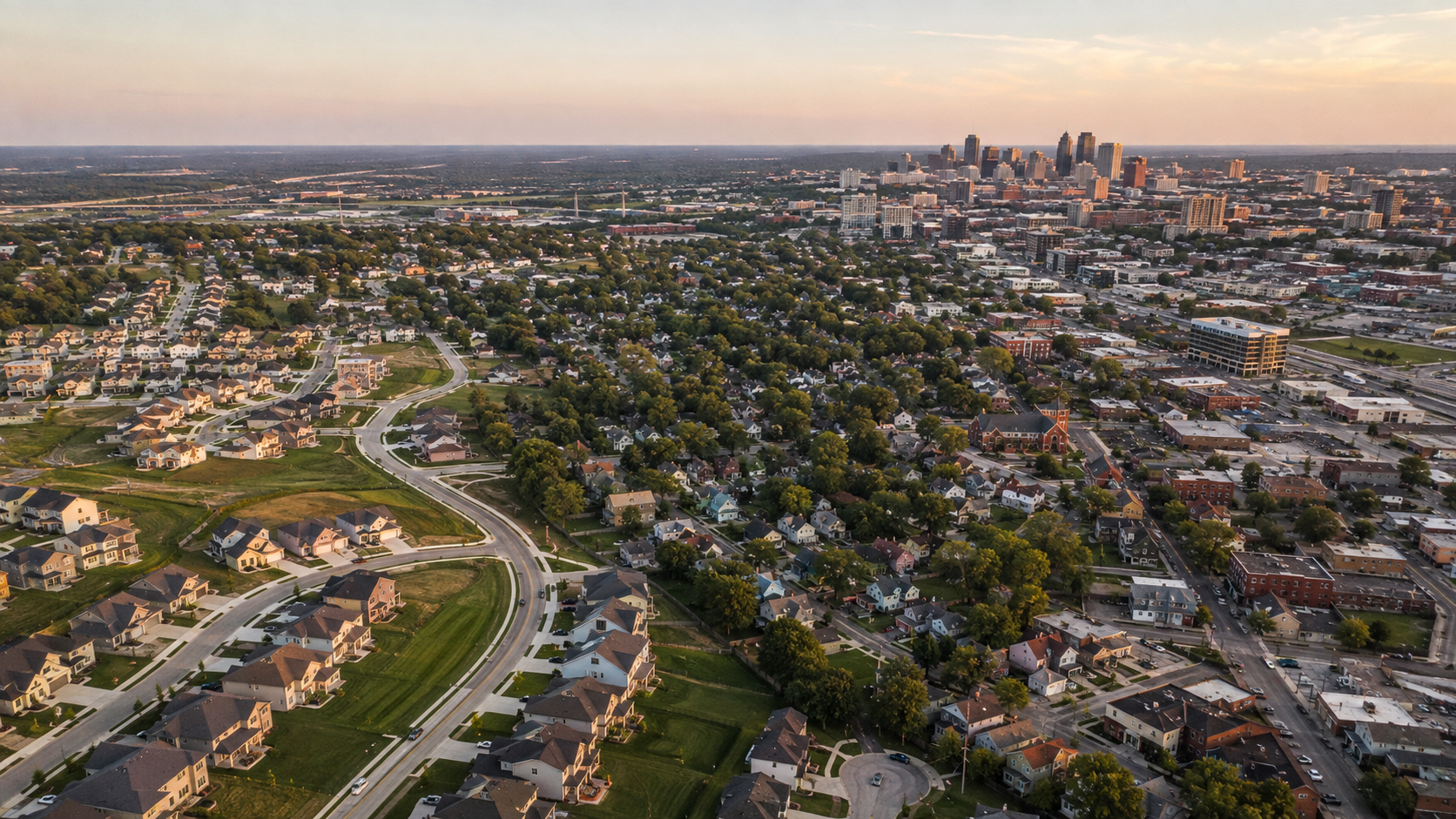
I'll say this part plainly because a lot of national advice ignores it. Location changes everything about which improvements return money.
What pays off in the Northland is not identical to what pays off in Johnson County or in the urban core. Buyer expectations, price ceilings, and finish levels all shift by area. A finish that feels premium on one street feels standard on another. The best neighborhoods in Kansas City carry buyers who expect more, which means updates that would be over-improving elsewhere can actually pencil out there.
If you want to see how different areas present and price, browse our featured listings across Kansas City neighborhoods. The value of any improvement is only real in the context of where the house sits.
What I'd Actually Do If It Were My House
Here's the exact order I'd run it, and it's the same advice I give my own investor clients.
Handle the protection items first. Fix anything that kills you at inspection.
Then spend on the cheap visible wins. Paint, flooring, and curb appeal, in that order.
Refresh the kitchen and bathrooms. Do not rebuild them.
Stop at the neighborhood ceiling. Do not chase a finish level the block won't pay for.
Run the net, not the price. What you clear matters. What it lists for doesn't.
One more thing that has nothing to do with renovation but changes your number more than most people think. A perfectly updated house still underperforms with weak marketing. The exposure, the photography, the pricing strategy, and the demand you create before it hits the market all move the final price. That's the whole reason we built our 100-point marketing plan. Presentation and strategy often add more to your check than another round of upgrades would.
The Bottom Line

So, what adds the most value to a home? The boring, the visible, and the protective. Clean paint and floors. A refreshed kitchen and bath. Strong curb appeal. Sound systems and no deferred maintenance. That's the money-back list.
What burns cash is the exciting stuff. Full gut jobs, custom taste, pools, and any finish that outruns the neighborhood.
After 100-plus builds and 150-plus flips, that pattern has never really changed. Spend where buyers feel it and where inspections threaten it. Skip the rest.
If you're thinking about selling and you want a straight answer on what's worth doing to your specific house, that's exactly what we do at Heartland Homes KC. Schedule a quick call and we'll walk your options before you spend a dime you don't need to.


