
Sell Before Foreclosure in Kansas City 2026 Guide | Heartland Homes KC
How Long Does It Take to Sell a House Before Foreclosure in Kansas City?
When homeowners ask me, “How long does it take to sell a house in Kansas City?” they are often trying to plan a move, coordinate another purchase, or decide when to put their home on the market.
When foreclosure is approaching, that same question becomes much more urgent: Do I still have enough time to sell before the scheduled sale?
In many cases, the answer is yes, but finding a buyer is only one part of the timeline. The sale must also make it through inspections, title work, lender payoff requests, financing, closing, and funding before the applicable foreclosure deadline.
In my experience, a properly priced home in parts of the KC Northland can attract an acceptable offer in fewer than 14 days. An overpriced home, however, can sit for 60 days or longer while the seller loses valuable time.
When foreclosure is involved, pricing strategy does not just affect your eventual sale price. It may determine whether the house sells at all before the deadline.
The most important thing is to find out exactly where you are in the foreclosure process and compare your realistic options immediately. You can schedule a confidential call with Heartland Homes KC to review your timeline, estimated equity, property condition, and possible selling strategies.
How Quickly Can a Kansas City House Sell?
A Kansas City home can receive an offer within days, but the complete sale typically takes longer.
A well-priced, market-ready home may receive an offer within one to three weeks. After accepting the offer, a traditional financed transaction may need another 30 to 45 days to close, depending on the buyer’s lender, appraisal, inspections, and title work.
A cash transaction may close much faster. Some legitimate cash buyers can close in approximately seven to 21 days, although title problems, liens, probate issues or required lender approvals can extend that timeline.
As a general planning guide:
A properly priced and market-ready listing may receive an offer in 7 to 21 days.
A financed buyer may need approximately 30 to 45 additional days to close.
A straightforward cash transaction may close in approximately 7 to 21 days.
An overpriced or condition-challenged home may remain on the market for 60 days or longer.
A short sale or transaction with complicated title issues may take several months.
These are planning ranges, not guarantees. The location, price, condition, buyer qualifications, and foreclosure status of the property can significantly change the outcome.
Kansas City Regional Association of REALTORS data for June 2026 reported 36 days on market across the Greater Kansas City area, along with 2.4 months of housing supply. Sellers received an average of 98.8% of their original asking price.
That regional number is useful, but it does not tell the entire story. I have seen correctly priced Northland homes move much faster, while nearby homes with unrealistic pricing sat long enough to require multiple reductions.

Most importantly, “days on market” measures how long it takes to secure a contract. It does not include all the time needed to get from the accepted offer to a completed and funded closing.
Why Foreclosure Changes the Home-Selling Timeline
A typical seller can sometimes afford to test the market for a few weeks. A homeowner facing foreclosure usually cannot.
When I evaluate a foreclosure-related property, I work backward from the known deadline. We need to know how many days are available for preparation, marketing, negotiations, inspections, title work and closing.
The seller may also need time to resolve issues such as:
Past-due mortgage payments
Foreclosure attorney fees
Delinquent property taxes
Second mortgages or home-equity loans
Judgments and other liens
Unpaid homeowners association balances
Probate or ownership questions
Divorce-related title issues
Short-sale approval
Delayed mortgage payoff statements
Listing a property does not automatically stop foreclosure. Accepting an offer does not necessarily stop it either.
In most situations, the sale must close and generate enough money to satisfy the lender’s requirements before the foreclosure sale. Any extension or postponement should be confirmed directly and preferably in writing with the mortgage servicer, trustee, lender’s attorney or appropriate legal representative.
This article provides general educational information and is not legal, tax, bankruptcy or financial advice. Foreclosure procedures vary by state, loan type, lender and individual circumstances.
Understanding the Kansas City Foreclosure Timeline
Kansas City sits on a state line, and that matters. Missouri and Kansas use different foreclosure procedures.
Federal mortgage-servicing rules generally prohibit a servicer from making the first foreclosure notice or filing until a borrower is more than 120 days delinquent, although exceptions and loan-specific circumstances can apply. Once the legal process begins, the remaining time before a foreclosure sale depends heavily on state law and the individual case.
Do not estimate your deadline from the date of your first missed payment. Locate the most recent notice, contact the servicer, and verify whether a sale has already been scheduled.
Foreclosure on the Missouri Side

Most residential foreclosures in Missouri use a nonjudicial process. That means the lender or trustee may not need to file a traditional lawsuit before selling the property under the power-of-sale provisions in the deed of trust.
Missouri law generally requires the foreclosing mortgagee or trustee to mail the applicable notice at least 20 days before the scheduled sale. State law also establishes publication requirements for the notice of sale.
Twenty days is not enough time to casually prepare a home, list it, test an ambitious price, and then begin looking for a buyer. That is why Missouri homeowners should act before the certified letter arrives whenever possible.
Missouri Legal Services specifically advises homeowners who receive a foreclosure notice not to delay. It identifies selling the home, communicating with the lender, consulting an attorney, and working with a housing counselor among the potential options.
Foreclosure on the Kansas Side
Kansas generally uses judicial foreclosure. The lender files a court case, and the process moves through the court before a sheriff’s sale can occur.
Kansas law requires public notice of the sale once a week for three consecutive weeks. The final publication must generally occur no fewer than seven and no more than 14 days before the sale.
Kansas Legal Services advises homeowners to read every notice carefully and act promptly. It also warns consumers that legitimate foreclosure assistance should not depend on upfront fees or guarantees that someone can stop the foreclosure.
Because Kansas has a court-based process and may involve post-sale redemption rights, the legal situation can be more complicated than simply counting days until an auction. A Kansas attorney should review the case when legal deadlines, court filings, or redemption questions are involved.
How Long Each Part of a Kansas City Home Sale Takes
Preparing and Pricing the Home
A conventional listing may require several days to prepare. That can include walking the property, identifying necessary repairs, reviewing comparable sales, completing disclosures, cleaning, photographing the home and launching the marketing.
Not every foreclosure-related property needs to be completely renovated. In fact, spending three weeks and thousands of dollars on cosmetic projects can be the wrong decision when the deadline is close.
The goal is to determine which improvements will actually help the property sell faster or protect the seller’s net proceeds. Sometimes that means making targeted repairs. Other times, it means pricing the house accurately and selling it in its current condition.
Finding a Buyer
Buyer demand can change substantially from one neighborhood to another.
A competitively priced home in Liberty, Gladstone, Parkville, Staley or another active Northland area may attract attention quickly. The same property could take longer if it falls into a less active price range, requires substantial repairs or competes against newer homes.
School boundaries, property condition, lot size, commute patterns, and buyer financing all influence the timeline. You can explore featured listings and Kansas City neighborhoods to see how location and housing options vary across the metro.
The best neighborhoods in Kansas City are not automatically the fastest places to sell every property. The home still has to match what buyers in that particular market expect.
Negotiating and Accepting an Offer
The highest offer is not always the best offer, especially when the seller is working against a foreclosure deadline.
A slightly lower offer from a well-qualified buyer with a strong lender and a realistic closing date may be safer than a higher offer loaded with contingencies. We need to examine the entire contract, including:
Financing type
Proof of funds or preapproval
Earnest money
Inspection period
Appraisal contingency
Repair expectations
Buyer closing costs
Proposed closing date
Sale-of-home contingency
Right-to-cancel language
When time matters, certainty has financial value.
Completing Inspections, Appraisal and Financing
A buyer’s inspection can lead to repair requests, credits or renegotiations. A financed buyer’s lender may also require an appraisal and additional underwriting conditions before approving the loan.
FHA, VA and conventional loans each have different requirements. A property with significant safety, structural or condition problems may not qualify for every type of financing without repairs.
Title work happens at the same time. The title company must verify ownership, identify liens, obtain mortgage payoff information, and prepare the documents needed to transfer clear title.
Closing Before the Foreclosure Sale

The closing date on the purchase contract should leave room for unexpected delays. Waiting until the day before a trustee or sheriff’s sale is unnecessarily risky.
The title company may need additional time to receive and verify the lender’s payoff amount. The buyer’s funds must arrive, closing documents must be signed, and the lender’s requirements must be satisfied.
A contract alone is not the finish line. The transaction needs to close and fund in time.
Pricing Strategy Can Determine Whether the House Sells in Time
Overpricing is one of the most dangerous mistakes a homeowner can make when foreclosure is approaching.
I understand why it happens. The seller needs a certain amount of money, remembers what a neighbor’s house sold for, or believes buyers will negotiate down from an intentionally high starting price.
Unfortunately, buyers do not care how much the seller needs. They compare the home with competing properties, recent sales, and the monthly payment associated with the asking price.
The first days on the market are usually the most valuable. That is when the listing appears as new, active buyers receive alerts, and local agents evaluate it for their clients.
If the price is too high, the strongest buyers may skip it. Reducing the price three or four weeks later does not always recreate the attention the property received when it first launched.
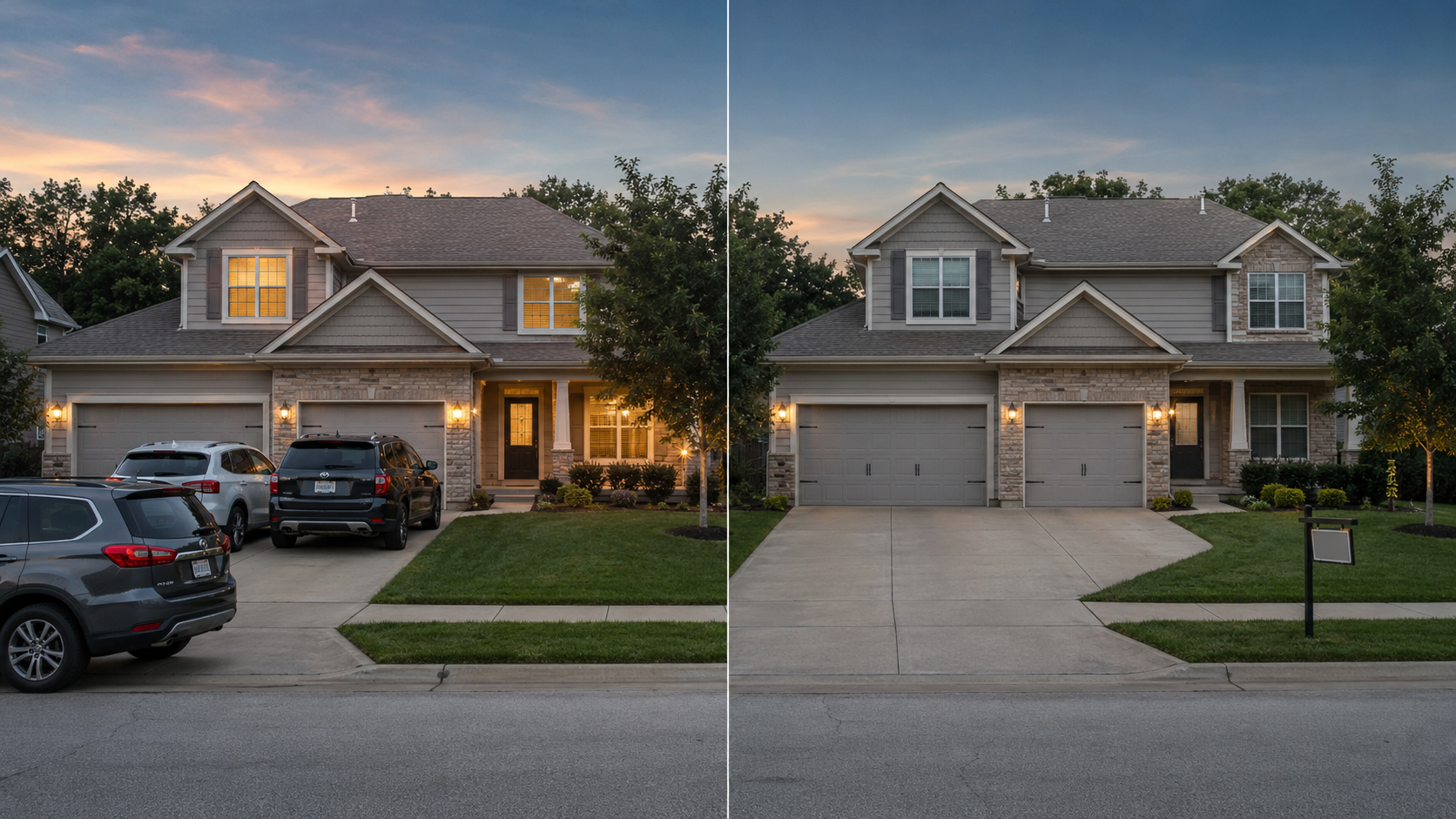
That does not mean giving the house away. It means selecting a price designed to produce the best combination of activity, negotiating leverage, closing certainty and net proceeds within the available time.
A deadline-based pricing analysis should consider:
Recent comparable sales
Current competing listings
Pending sales
Property condition
Necessary repairs
Buyer financing options
Neighborhood demand
Expected appraisal range
Seller equity
Required closing date
Before deciding on a listing or cash offer, request a Kansas City home-value review. An online estimate can be a starting point, but a foreclosure decision should not rely on an automated value alone.
Traditional Listing or Cash Home Buyer?
There is no universal answer. The right choice depends on how much time remains, how much equity the seller has, the condition of the home, and the likelihood of completing a traditional transaction before the deadline.
A traditional listing may provide:
Greater exposure to the full buyer market
A higher potential sale price
Competition between multiple buyers
Better results when the home is market-ready
More flexibility when several months remain
A traditional listing may also involve:
Cleaning and preparation
Showings
Inspections
Appraisal risk
Buyer financing
Repair negotiations
A 30- to 45-day closing after contract acceptance
A legitimate cash offer may provide:
A faster closing
Fewer property-condition requirements
No buyer mortgage contingency
No lender appraisal
Greater control over the closing date
The ability to sell the property as-is
The tradeoff is that a cash buyer typically expects a discount in exchange for speed, risk, and repair costs. Some cash offers also contain broad inspection clauses, hidden fees, or assignment provisions that make them less certain than they initially appear.
Homeowners can compare cash-offer options for a Kansas City house before deciding whether speed or maximum market exposure is the higher priority.
When reviewing cash home buyers in Kansas City, ask for:
Proof of funds
A written purchase agreement
A clear explanation of all fees
The buyer’s inspection or cancellation rights
The buyer’s closing history
The name of the title company
Disclosure of any assignment language
Confirmation of who pays closing costs
A firm closing date
A real cash buyer should be able to explain how the purchase will be funded. A wholesaler who still needs to locate another investor may not offer the same certainty as a buyer using available funds.

Two Kansas City Sales That Shaped My Opinion
Over more than 25 years in architecture, construction, development, renovation, investing, and residential real estate, I have learned that sellers lose more money from poor strategy than they do from imperfect houses.
Heartland Homes KC’s experience includes more than 100 new homes built, more than 150 homes renovated, and involvement in over 1,000 real estate transactions. That background changes how I look at a distressed property because I can evaluate it as a builder, investor, and Kansas City real estate agent.
In one Liberty-area foreclosure situation, the homeowner had approximately 45 days before the scheduled sale and owed roughly $247,000. By evaluating the equity, pricing the house for the real market, and moving quickly, we were able to complete a sale that left the homeowner with approximately $22,000 instead of allowing the property to proceed to auction with no expected proceeds to the seller.
That result was not guaranteed, and every situation is different. But it reinforced something I have believed for years: a seller’s equity can disappear quickly when no one creates a deadline-based plan.
In another Northland sale, we represented a house owned by the same person for more than five decades. The property was sold as-is, and we held an open house during a snowstorm.
Despite the condition and weather, the marketing produced 11 interested buyers and seven offers. The seller ultimately netted approximately $25,000 more than the available investor alternative, and the transaction closed in roughly three weeks.
That property was not a foreclosure, but the lesson applies. “As-is” does not always mean “sell directly to the first investor,” and listing does not always mean spending months making repairs.
The strategy depends on the property, the market, and the deadline.
What Can Delay a Foreclosure-Related Sale?
The most common delay is waiting too long to begin.
Homeowners sometimes avoid opening mail because they are overwhelmed, embarrassed, or hoping the problem will resolve itself. Unfortunately, ignoring the lender does not pause the process.
HUD advises homeowners to contact their lender or loan servicer directly, open and respond to all mail, and seek assistance as early as possible. HUD-approved housing counseling is available at no or very low cost.
Other common delays include:
Starting above market value
Making unnecessary renovations
Failing to disclose known defects
Accepting an unqualified buyer
Low appraisals
Inspection disputes
Unreleased liens
Delinquent taxes
Multiple mortgages
Probate proceedings
Divorce or ownership disputes
Missing death certificates or estate documents
Unpaid contractor judgments
HOA balances
Tenant or occupant problems
Delayed mortgage payoff statements
Incomplete short-sale documents

Gathering documents early can prevent avoidable problems. The title company, agent, and attorney may need the mortgage statement, foreclosure notice, identification, deed information, divorce decree, probate documents, lien information, and contact details for the loan servicer.
Can You Sell After Receiving a Foreclosure Notice?
A homeowner can often sell after receiving a foreclosure notice, provided there is enough time and sufficient equity—or the lender agrees to a short sale.
The first step is confirming the scheduled sale date. Do not rely on an old letter, an online account estimate, or a general statement from a call-center representative.
Ask the servicer for:
The current foreclosure status
The scheduled sale date
The reinstatement amount
The estimated mortgage payoff
The foreclosure attorney or trustee’s contact information
Available loss-mitigation options
Requirements for requesting additional time
Instructions for submitting a purchase contract
Listing the property may demonstrate that the homeowner is actively trying to resolve the debt, but it does not automatically require the lender to postpone the foreclosure.
Any postponement should be confirmed by the party legally authorized to make that decision.
What If You Owe More Than the House Is Worth?
When the mortgage balance and selling costs exceed the likely sale proceeds, a conventional sale may not be possible without the seller bringing money to closing.
A short sale is a transaction in which the lender agrees to accept less than the full mortgage payoff. The seller still markets the property and accepts an offer, but the lender must approve the contract and proposed settlement.
Short sales may require:
Financial statements
Bank statements
Tax returns
Pay stubs
A hardship letter
A purchase contract
A preliminary settlement statement
Property valuation
Multiple lender approvals
A short sale usually takes longer than a standard transaction and is not guaranteed. The homeowner should also obtain professional advice about potential tax consequences, deficiency liability, and the effect on credit.
Do not assume that submitting a short-sale package automatically stops a scheduled foreclosure. The status must be verified with the lender or its representative.
How Heartland Homes KC Approaches a Time-Sensitive Sale
When time matters, the first appointment should not be a generic listing presentation.
We begin by identifying the deadline, estimated mortgage balance, probable property value and any issues that could prevent closing. From there, we compare the possible net proceeds and timing of a traditional sale, an as-is listing, and available cash-offer alternatives.
The strategy may include:
Evaluating the house through a construction and investment lens
Identifying repairs that will materially improve marketability
Avoiding projects that waste time or money
Establishing a deadline-based pricing plan
Creating professional photography and marketing
Reaching retail buyers, agents and investors
Comparing financed and cash offers
Evaluating contingencies and closing risk
Coordinating with the title company
Maintaining a backup offer when possible
You can review the Heartland Homes KC 100-Point Marketing Plan to see how we create exposure beyond simply entering a property in the MLS and waiting.
Our opinion is straightforward: the homeowner deserves to understand all realistic options. Sometimes the traditional market offers the best path. Sometimes a cash transaction is the safer choice.
The correct answer should come from the numbers and timeline, not pressure from someone who profits only when you choose one specific solution.
What to Do When Foreclosure Is Approaching

Start with these steps:
Locate every letter, email, and court document related to the mortgage.
Confirm the exact foreclosure status and scheduled sale date.
Contact the mortgage servicer and ask about loss-mitigation options.
Request a current reinstatement amount and estimated payoff.
Determine the home’s realistic as-is market value.
Identify mortgages, taxes, judgments and other liens.
Estimate selling costs and probable net proceeds.
Compare listing, as-is listing and legitimate cash-offer options.
Speak with a qualified attorney when legal advice is necessary.
Contact a HUD-approved housing counselor for independent assistance.
Choose a strategy based on the deadline rather than an idealized price.
Begin title work as early as possible.
Keep written records of every conversation with the servicer.
The earlier these steps begin, the more choices the homeowner is likely to have.
Frequently Asked Questions
How Quickly Can I Sell My House in Kansas City?
A properly priced Kansas City house may receive an offer within one to three weeks. A financed buyer may then require approximately 30 to 45 days to close, while a straightforward cash transaction may close in approximately seven to 21 days. Property condition, location, title issues, and market demand can change these timelines.
Can I Sell My House After Receiving a Foreclosure Notice?
You may still be able to sell after receiving a foreclosure notice if there is enough time to complete the transaction. Confirm the scheduled sale date immediately, request a payoff amount, and begin title work. Do not assume that listing the property or accepting an offer automatically stops foreclosure.
Does Listing My House Stop Foreclosure?
No. Putting a house on the market does not automatically stop or postpone foreclosure. The mortgage servicer, trustee, lender’s attorney, or court must confirm any delay. In most cases, the transaction needs to close and satisfy the lender’s requirements before the applicable deadline.
Can a Cash Buyer Close Before a Foreclosure Sale?
A qualified cash buyer may be able to close in one to three weeks when the title is clear and the buyer has available funds. Complicated liens, probate, short-sale approval, or missing documents can cause delays. Request proof of funds and verify the proposed closing with a reputable title company.
How Long Does a Financed Home Sale Take?
After the seller accepts an offer, a financed transaction commonly takes approximately 30 to 45 days to close. The buyer must complete underwriting, appraisal, and any lender-required conditions. Inspection negotiations, appraisal problems, or buyer financing changes may extend the closing.
What Happens If I Do Not Have Enough Equity?
When the expected sale proceeds will not cover the mortgage and selling expenses, the seller may need to bring money to closing or request a short sale. A short sale requires lender approval and may take considerably longer. Legal and tax advice is recommended before choosing this option.
Should I Repair the House Before Selling?
Only make repairs that are likely to improve marketability, financing eligibility, or net proceeds within the available time. Major renovations may not make sense when foreclosure is approaching. An as-is listing can sometimes create competition without requiring the homeowner to complete expensive work first.
How Do I Know Whether a Cash Offer Is Legitimate?
Ask for proof of funds, a written purchase agreement, a clear explanation of fees, and the name of the closing company. Review inspection, cancellation, and assignment clauses carefully. A legitimate buyer should be able to explain who is purchasing the property and how the transaction will be funded.
Can Heartland Homes KC Help Me Compare My Options?
Heartland Homes KC can evaluate the probable market value, estimated equity, property condition, and available timeline. We can then compare a traditional listing, an as-is marketing strategy, and cash-offer alternatives. Legal, bankruptcy, and tax questions should still be directed to the appropriate licensed professionals.

How Long Does It Take to Sell a House in Kansas City Before Foreclosure?
So, how long does it take to sell a house in Kansas City when foreclosure is approaching?
A market-ready house may receive an offer in fewer than 14 days, particularly in an active Northland neighborhood. A financed transaction, however, may still need another 30 to 45 days to close. A qualified cash buyer may close faster, but the offer price and contract terms must be carefully evaluated.
The right strategy depends on five things:
The exact foreclosure deadline
The realistic market value
The mortgage and lien balances
The property’s condition
The certainty and speed of the buyer
Waiting for the perfect solution can eliminate several good solutions. The sooner you confirm the facts, the better chance you have of protecting your equity and making the next decision on your own terms.
Schedule a confidential foreclosure-options call with Heartland Homes KC to review your Kansas City property, timeline and selling options before the deadline becomes the only thing controlling the decision.


