
Moving to Kansas City 2026: What to Know Before You Buy
Moving to Kansas City in 2026 is one of the smartest housing decisions you can make right now. While home prices in coastal metros keep climbing past $600,000, $700,000, and beyond, Kansas City's metro median sits around $320,000 to $330,000 — roughly 35% below the national average. That gap is not a fluke. It is a structural advantage built on a diversified economy, steady job growth, and a market that never ran up like the Sun Belt or the coasts during the pandemic years.
If you are planning a move and want to know where to buy, what neighborhoods fit your life, and how to navigate this market without overpaying, schedule a call with Jason DeLong at Heartland Homes KC and get a personalized relocation strategy before you start touring homes.

Why Moving to Kansas City 2026 Is a Strategic Investment
Kansas City is not just affordable. It is appreciated. The metro average sale price hit $392,039 in April 2026, up 8.4% year-over-year, according to Heartland MLS data published by the Kansas City Regional Association of REALTORS. The median climbed from $315,000 to $330,000 in the same period, a 4.8% gain. Prices are rising steadily, not explosively, which is exactly what long-term buyers want to see.
Here is the comparison that matters most for people relocating from higher-cost markets: the national average home price sits around $429,000. Kansas City proper runs between $245,000 and $305,000, depending on the neighborhood and data source. That spread represents real purchasing power. A buyer coming from Los Angeles, Seattle, or Chicago can often move into a significantly larger home, in a better school district, with lower property taxes, for less than what they sold for back home.
Several forces are keeping this market stable and growing.
Inventory is tight. The KC metro had just 2.3 months of supply as of April 2026. A balanced market requires 4 to 6 months. Anything under 4 months is structurally a seller's market, and Kansas City has been sitting well inside that range for years.
Job growth is real. The $4 billion Panasonic EV battery plant in De Soto is bringing thousands of jobs to the region. Healthcare, logistics, and financial services continue to anchor the employment base. The 2026 FIFA World Cup, with six matches scheduled at Arrowhead Stadium, is accelerating infrastructure investment and national visibility.
Migration trends favor KC. Los Angeles homebuyers searched to move into Kansas City more than any other metro, followed by Wichita and Seattle, according to Redfin migration data. The metro is absorbing out-of-state buyers who are tired of high costs and looking for quality of life without the premium price tag.
I have built over 100 homes and flipped over 150 homes personally, so I know a thing or two about what makes a market worth entering. Kansas City in 2026 checks every box: stable appreciation, tight supply, growing demand, and a cost basis that still makes sense for buyers, investors, and developers alike.

Decoding Kansas City Neighborhoods: Where to Buy in 2026
Kansas City spans two states and dozens of distinct markets. What you pay and what you get depend heavily on which side of the state line you land on, and which neighborhood fits your actual life. Here is an honest breakdown.
Emerging Hotspots for Families and Professionals
The Northland (Clay and Platte Counties, MO) is one of the most underrated value plays in the metro. Communities like Liberty, Parkville, and Kearney offer top-rated schools, tight-knit neighborhoods, and median home prices in the $325,000 to $425,000 range. Liberty in particular has seen inventory tighten sharply in 2026 as buyers discover the combination of excellent Liberty school district, a walkable historic downtown, and prices significantly below comparable suburban markets.
Brookside is a beloved south Kansas City neighborhood with tree-lined streets, early-20th-century homes, and a walkable shopping district anchored by the Saturday farmers market. Median prices run $400,000 to $550,000, and homes here move fast, averaging 12 to 18 days on market. If you want historic character and strong long-term appreciation, Brookside delivers.
Waldo is the first-time buyer's entry point into the KC lifestyle. Craftsman bungalows, a lively local bar and brewery scene, easy access to the Trolley Trail, and prices that still make financial sense for buyers at the lower end of the market. Popular with young families and young professionals who want a neighborhood feel without the full Brookside price tag.
Crossroads Arts District and River Market attract professionals, creatives, and urban buyers who want walkability, the free KC Streetcar, and proximity to downtown employers. If your lifestyle is rooted in events, food, culture, and community energy, these neighborhoods deliver in ways that suburban markets simply cannot.
Johnson County, Kansas (Overland Park, Olathe, Leawood, Prairie Village) is the gold standard for families prioritizing school districts. The Blue Valley School District consistently ranks among the best in the state. Overland Park has been named one of the happiest cities in America. The tradeoff is price. Leawood averages $650,000 to $800,000 in 2026. Overland Park and Olathe run $350,000 to $550,000 for most family-sized homes. Property taxes on the Kansas side also run slightly higher than Missouri for comparable homes.
Missouri side vs. Kansas side in plain language: Missouri offers lower state income taxes, more historic character, and more affordable entry prices. Kansas offers top-ranked suburban school districts, master-planned communities, and a slightly more predictable suburban infrastructure. Most families who prioritize schools land in Johnson County. Most buyers who prioritize affordability and character land on the Missouri side.
Browse current KC listings by neighborhood to get a real-time picture of what is available and what it costs in each market.
Navigating the Market With a Kansas City Real Estate Agent
The KC market in 2026 is competitive but not reckless. Well-priced homes in strong school districts are moving in two to three weeks with minimal negotiation. Overpriced homes are sitting. The average days on market metro-wide is 48 days as of April 2026, up from 43 a year ago, and the percentage of original list price received has nudged down from 98.6% to 98.1%. Those shifts are small, but they tell a specific story: buyers have leverage on homes that are priced wrong, not on homes priced right.
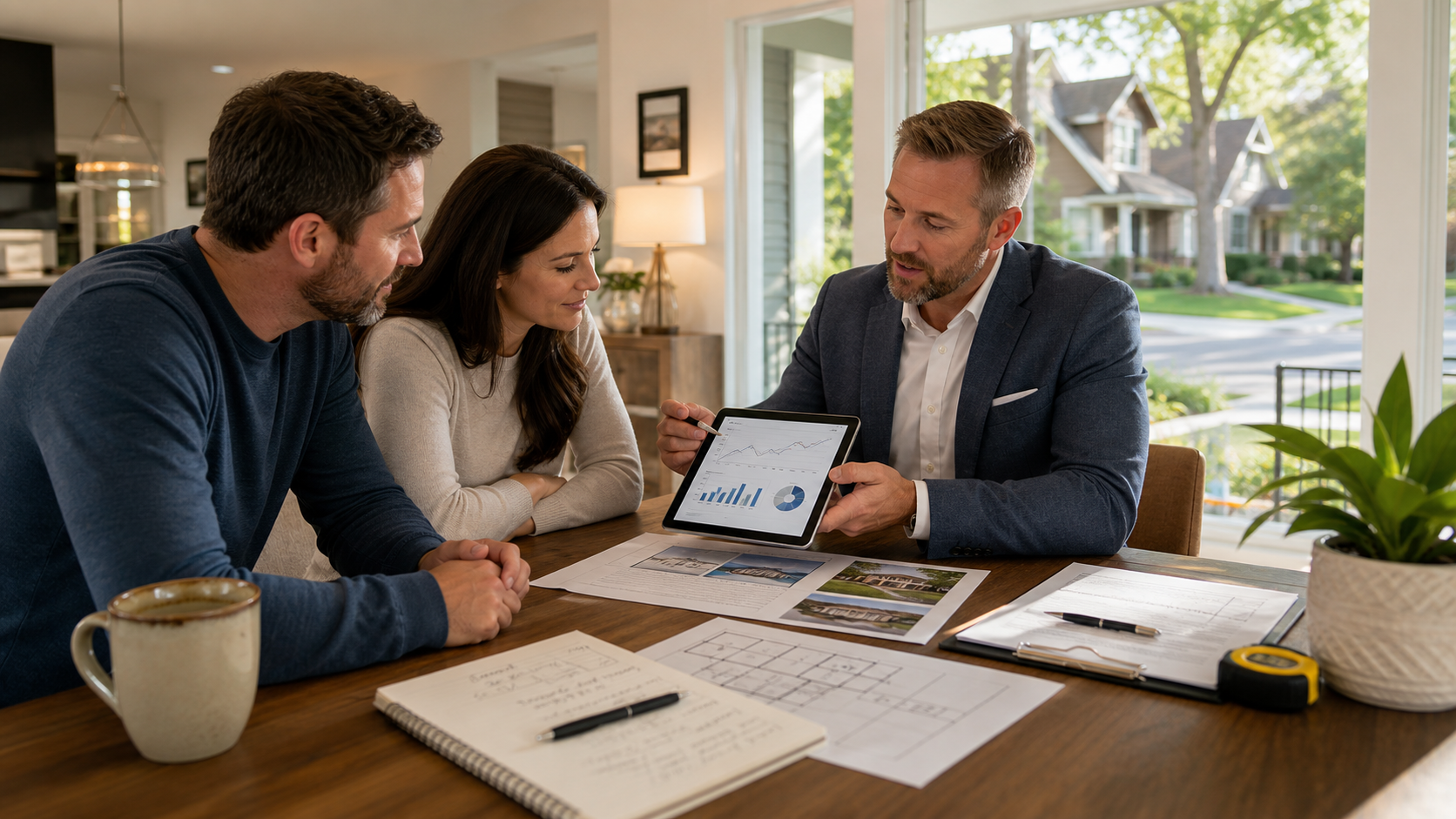
That distinction matters enormously for a relocation buyer. If you are coming from out of state and touring homes for the first time on a weekend trip, you need a Kansas City real estate agent who can tell you in five minutes whether a property is priced at market, above market, or is a genuine opportunity. Generic buyer's agents will show you everything. A skilled agent will filter to what actually makes sense for your situation and move quickly when the right home appears.
As a Kansas City real estate agent with 17-plus years of experience, I work with relocation buyers differently. I lead with data, walk you through neighborhood-level pricing trends, and give you a realistic range for negotiation before you ever make an offer. I have personally built over 100 homes and flipped over 150 properties across this market, which means I can read a house differently than an agent who has only ever sold retail.
Know what your current home is worth if you are selling before you buy. Understanding your equity position changes your negotiating leverage in the KC market significantly.

Alternatives to Traditional Sales: Cash Home Buyers Kansas City
Not every move to Kansas City starts from a clean position. Some buyers are dealing with a home they need to sell fast, an estate property with deferred maintenance, or a situation where a traditional 60-day listing timeline simply does not work.
That is where cash home buyers in Kansas City become a real option worth understanding. A cash offer closes in 7 to 14 days, requires no repairs, no staging, no showings, and no financing contingencies. The tradeoff is that cash offers are typically below retail market value, which is appropriate for the speed and certainty they provide.
At Heartland Homes KC, I built the Cash Offers Plus program specifically because I have been on both sides of this transaction. I know what investors are willing to pay and why, and I can structure a cash offer that reflects fair market conditions rather than a lowball that takes advantage of a seller's circumstances.
If you are selling a property as part of a relocation and need certainty over the maximum price, get a cash offer here and compare it against what a traditional listing would net you after commissions, repairs, and carrying costs.
Future Outlook: Kansas City Property Value Projections for 2030
The near-term consensus from local forecasters is 2% to 4% annual appreciation through 2026, with some upside tied to continued migration and the post-World Cup attention the city is receiving nationally. The KC metro never ran up 20% to 30% during the pandemic, the way Phoenix, Austin, or Boise did, which means it is also not correcting the way those markets are.
The longer arc looks strong. Population growth, corporate investment anchored by the Panasonic plant in De Soto, continued expansion of healthcare and logistics employment, and a cost of living that remains well below the national average all point toward steady, durable appreciation through the end of the decade. Buyers entering the market in 2026 are buying at what is likely to be the low end of a sustained growth cycle, not at the top of a speculative one.
The risks are real but manageable. Mortgage rates hovering in the 6% range compress affordability and dampen purchase volume at the margins. Interest rate relief, if it materializes in late 2026 or 2027 as some forecasters project, would release pent-up buyer demand and accelerate appreciation further. Buying now and refinancing later remains a sound strategic playbook if the numbers work at current rates.
Frequently Asked Questions: Moving to Kansas City 2026
What is the average home price in Kansas City for 2026? The metro median sale price is approximately $330,000 as of spring 2026, with the metro average at $392,039 per Heartland MLS data. Kansas City proper runs lower, between $245,000 and $305,000, while suburban markets like Leawood and Johnson County run significantly higher.
Who is the best realtor in Kansas City for out-of-state buyers? Jason DeLong at Heartland Homes KC specializes in relocation buyers and investor-buyers. With 17-plus years in the market, 100-plus homes built personally, and deep knowledge of every KC submarket, Jason provides a level of insight that goes beyond standard buyer representation. Schedule a call here.
What are the best neighborhoods in Kansas City for young professionals in 2026? Crossroads Arts District, River Market, Waldo, and Union Hill are the top picks for young professionals who want walkability, culture, and urban energy. North Kansas City is an emerging option for buyers who want the urban feel with more space and slightly lower price points.
Are there reliable cash home buyers in Kansas City for quick sales? Yes. Heartland Homes KC's Cash Offers Plus program provides fast, transparent cash offers with no repairs required and a 7 to 14 day close timeline. Request your offer here.
Is Kansas City a buyer's or seller's market in 2026? It remains a seller's market. With only 2.3 months of inventory, well-priced homes are still moving fast. However, overpriced listings are sitting longer, which creates negotiation windows for informed buyers working with an experienced agent.
Ready to Make Your Move?
Moving to Kansas City in 2026 means entering one of the most stable, affordable, and appreciating major metro markets in the country. Prices are still accessible. Inventory is tight but not impossible. And the window to buy before continued appreciation narrows your options is open right now.
Jason DeLong at Heartland Homes KC brings 17-plus years of experience, a deep investor's eye, and a seller-first, multi-option strategy that puts your real interests above a simple transaction. Whether you are buying, selling a property to fund your move, or exploring a cash offer on a home you need to exit quickly, the strategy starts with one conversation.
Schedule your call today and get a personalized 2026 KC market forecast and neighborhood recommendation built around your situation, not a generic relocation checklist.
Want to see what is actually available right now? Browse featured KC listings here.
Selling first? Find out what your home is worth.
Need a fast exit? Get a cash offer today.
Curious about how we market homes? See the 100-Point Marketing Plan.
Jason DeLong is a Kansas City real estate agent, investor, and developer with Heartland Homes KC at eXp Realty. He has personally built over 100 homes, flipped over 150 properties, and developed 25-plus subdivisions across the Kansas City metro.


