
Is Kansas City a Good Place to Live? A Builder’s Pros & Cons
Is Kansas City a Good Place to Live? A Local Builder’s Honest Pros and Cons
Yes, Kansas City is a good place to live if you want more housing options for your budget, an active food and arts scene, and a choice between city, suburban, and acreage living. The biggest tradeoffs are car dependence, weather extremes, crime concerns, and ownership costs that vary by address.
I’m Jason DeLong with Heartland Homes KC at eXp Realty. I’ve worked in Kansas City real estate since 2000. My background includes an architecture degree, building more than 100 homes, and rehabbing more than 150 properties.
That experience shapes how I answer this question. A city can look affordable online while a particular house becomes expensive to own.
If you’re considering a move, schedule a relocation conversation with me. We can connect your budget, commute, and priorities before you spend a weekend touring homes.
First, Which Kansas City Are We Talking About?
Kansas City, Missouri, and Kansas City, Kansas, are separate cities. The larger metropolitan area includes communities on both sides of the state line.
Overland Park, Olathe, Lenexa, and Prairie Village are Kansas cities. Parkville, Liberty, Gladstone, and Lee’s Summit are Missouri cities. They are part of the broader KC conversation, but they have their own local services and housing markets.
That distinction matters. A statistic about Kansas City, Missouri, does not describe every suburb in the metro.
It also means your experience can change dramatically without leaving the region. Living in a downtown condo and maintaining an acreage property are very different versions of “living in Kansas City.”
The Biggest Pros of Living in Kansas City
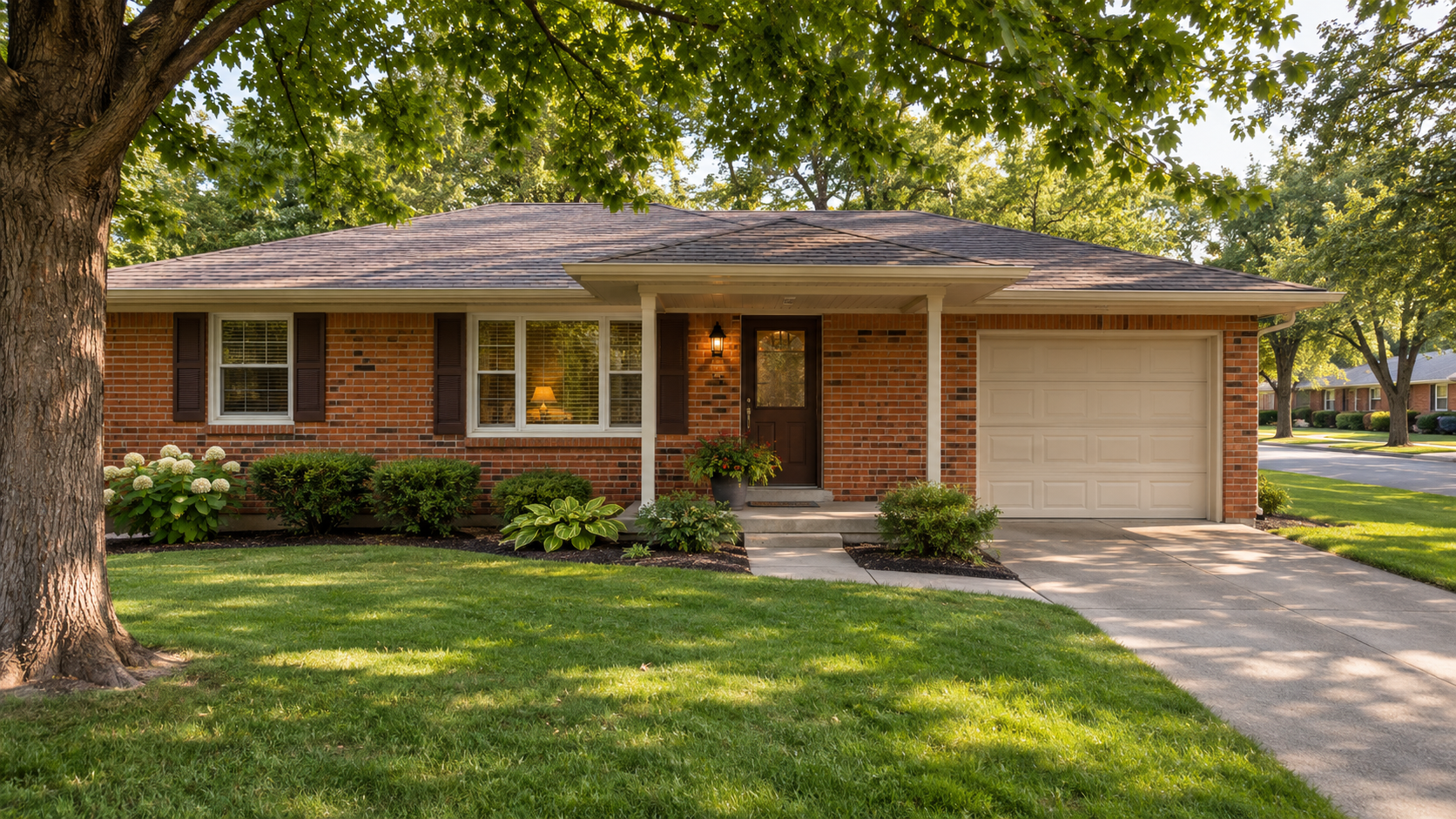
Housing Can Offer More Flexibility for Your Money
Housing is one of Kansas City’s strongest selling points, especially when you compare it with a higher-cost market such as Denver.
The Census Bureau’s 2020–2024 estimates put the median value of owner-occupied homes at $242,900 in Kansas City, Missouri, compared with $616,000 in Denver. census.gov
These are historical city-level home-value estimates. They are not current asking prices, recent sale-price medians, or figures for the entire metro.
Still, they help explain why buyers consider relocating here. Depending on your budget and location, you may have room to consider an extra bedroom, a garage, or a yard.
Affordability remains personal. Someone moving from Denver may see opportunity. A local buyer balancing childcare, debt, and a modest down payment may feel squeezed.
My advice is to compare the full monthly cost using your actual income. A lower purchase price only helps if the payment and upkeep fit your life.
You Have Several Ways to Live Here
Kansas City neighborhoods offer a useful range of housing styles and settings.
You can explore lofts and condos in the urban core. You can look at older houses with established landscaping. You can compare new construction, suburban subdivisions, and properties with land.
Jana and I live on a 40-acre farm. That has added another layer to my understanding of property ownership. Acreage means looking beyond the house to access, drainage, outbuildings, utilities, and ongoing maintenance.
Room to spread out can be wonderful. It also gives you more things to mow.
The advantage is having choices. The challenge is deciding which version of KC matches the way you actually spend your week.
There Is More to Do Than the Price Tag Suggests

Barbecue and sports get plenty of attention. Kansas City also has jazz, galleries, museums, and distinct local business districts.
The 18th & Vine district brings together live music, the American Jazz Museum, and the Negro Leagues Baseball Museum. The Nelson-Atkins Museum of Art offers free general admission. Visit KC
You can build a weekend around restaurants and entertainment. You can also keep it simple with a museum visit or a neighborhood walk.
That variety matters when you live somewhere year-round. You need ordinary Saturdays to work, too.
The Economy Includes Several Different Industries
The region has employment across healthcare, manufacturing, logistics, architecture, engineering, and other professional services. The Kansas City Area Development Council’s industry overview shows that range. OneKC
That gives people several career paths to investigate. It does not guarantee an opening in your specialty or a salary that matches your previous city.
Before moving, compare actual job offers, benefits, and workplace locations. If you work remotely, confirm your employer’s location rules and internet service at the exact property.
The job and the house need to work together.
The Biggest Cons of Living in Kansas City
Most Locations Require a Car
Kansas City offers some places where walking and transit can handle more of your routine. Across much of the metro, however, you should expect to drive.
The KC Streetcar now runs from the riverfront to UMKC and is free to ride. That makes the corridor worth exploring if transit access is a priority. Connecting Downtown Neighborhoods
It does not provide rail service across the entire region. A home’s proximity to a streetcar stop also does not tell you whether the route serves your workplace.
Map your grocery trips, work commute, medical appointments, and regular activities. Then check the relevant transit routes and schedules.
A house can be close to downtown and still be inconvenient for your particular week.
The Weather Deserves an Honest Conversation

Kansas City has four distinct seasons. It also has summer heat and humidity, winter cold, and the potential for snow and ice.
Severe thunderstorms can bring damaging wind, hail, and tornadoes. The National Weather Service’s local storm summaries document those hazards. ncei.noaa.gov
For a homeowner, weather belongs in the budget and inspection process.
Ask about:
Roof age, condition, and documented repairs.
Heating and cooling performance.
Drainage around the foundation.
Past water intrusion.
Insurance coverage and applicable deductibles.
The home’s severe-weather shelter options.
Get an insurance quote before you commit. Do not assume the seller’s premium will be your premium.
Crime Is a Real Concern to Research
Kansas City, Missouri, has serious violent-crime challenges. A useful relocation guide should acknowledge that plainly. HOM002
It should also distinguish KCMO from the surrounding municipalities. A citywide statistic cannot describe the conditions around every property across the metro.
Start with the Kansas City Police Department’s crime statistics and dashboard. For other cities, use the relevant police department’s information.
Compare similar time periods and incident categories. Remember that calls for service and confirmed crimes measure different things.
Visit a prospective location at different times. Look at lighting, parking, pedestrian access, and building security. Use those observations alongside the data.
I would not promise that an area is “safe.” You deserve specific information you can evaluate for yourself.
Taxes and Other Costs Can Change the Math
The state line adds another layer to the decision.
Kansas City, Missouri, has a 1% earnings tax. It generally applies to residents’ earned income and to nonresidents’ income earned within city limits, subject to applicable exemptions. OFFICIAL WEBSITE
Living on the Kansas side does not automatically remove that obligation if you work in KCMO.
Property taxes, insurance, utilities, and HOA charges also need an address-specific review. New construction buyers should ask whether the quoted property taxes reflect the completed home.
Compare two complete budgets. Statewide assumptions will only get you so far.
An Affordable House Can Hide Expensive Work

This is where my builder and rehab experience becomes especially useful.
A remodeled kitchen does not tell you the condition of the sewer line. Fresh paint does not explain a foundation repair. An older HVAC system does not become newer because the listing photos look good.
Before buying, investigate:
Foundation condition and repair documentation.
Grading, gutters, and evidence of water intrusion.
Roofing, electrical, plumbing, and HVAC systems.
Sewer condition when an inspection is appropriate.
Permits and documentation for previous alterations.
Likely repairs during your first few years of ownership.
Use qualified inspectors and specialists when the property calls for them.
If you are considering a renovation, our guide to financing fixer-upper projects in Kansas City explains options to explore. Get property-specific estimates before deciding a project fits your budget.
How to Choose Between Kansas City Neighborhoods
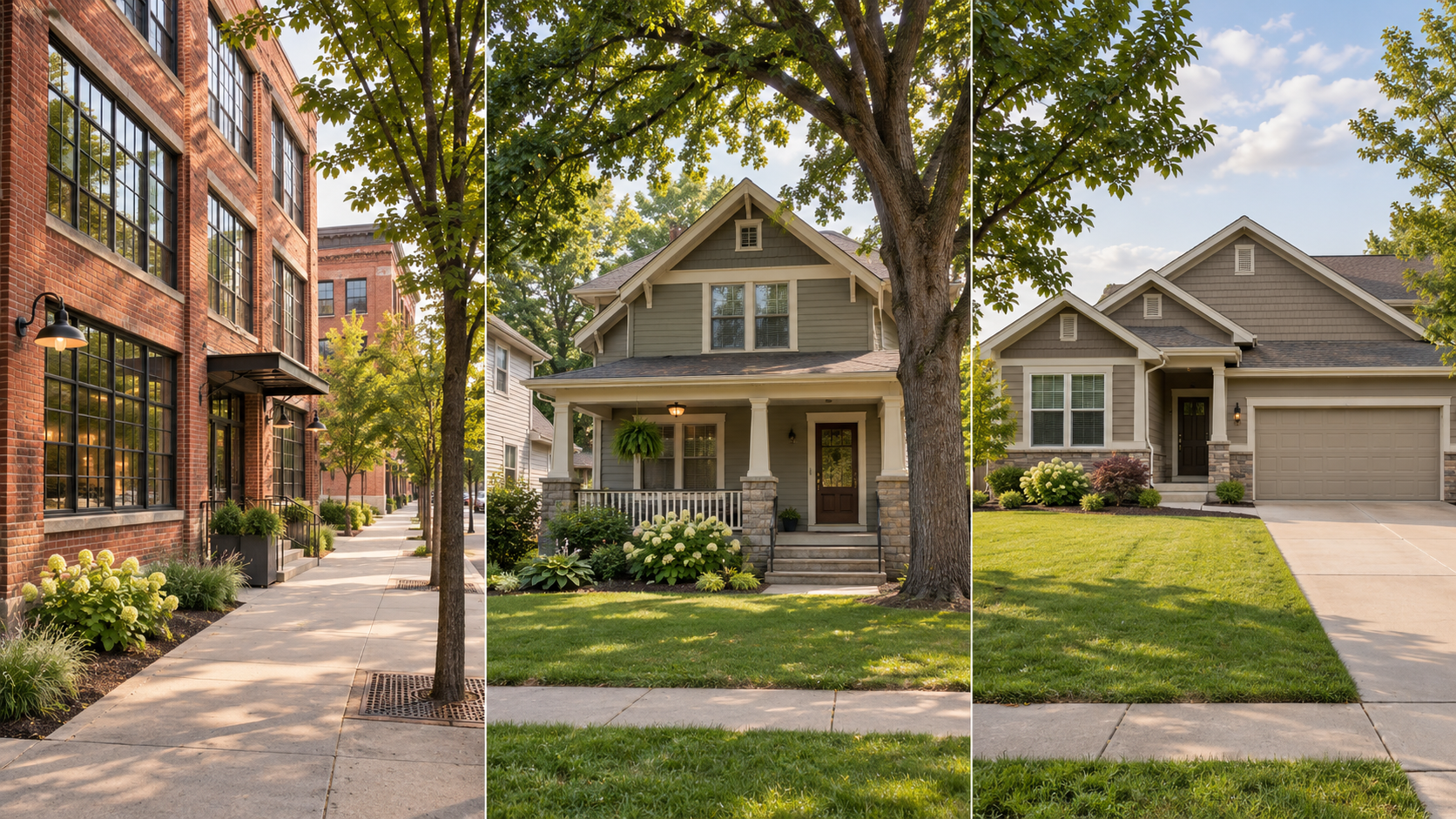
The best neighborhoods in Kansas City depend on what you need from a home and its location.
Start with the setting you want, then narrow the search:
River Market and Crossroads: Explore these if an urban setting, condos or lofts, and access to central dining and entertainment appeal to you.
Brookside and Waldo: Consider these when comparing established residential areas, older homes, and local business districts.
Parkville, Gladstone, and Liberty: Include these when evaluating Missouri communities north of the river.
Overland Park, Lenexa, and Olathe: Compare these when your search includes Johnson County, Kansas.
Lee’s Summit and Blue Springs: Explore these when looking at communities on the Missouri side southeast and east of central KC.
Outer-metro acreage: Investigate this option if land matters enough to accept additional maintenance and potentially longer trips.
These are starting points. Each contains smaller areas with different housing, prices, and access.
Our Kansas City neighborhood guide offers more places to research.
If schools are part of your decision, verify the district and attendance assignment directly for each address. A mailing address alone is not enough. Review programs, transportation, and enrollment requirements that matter to your household.
Kansas City vs. Denver: Which Is the Better Fit?

Kansas City’s clearest advantage in this comparison is housing cost. The Census figures above show a substantial gap in owner-occupied home values.
Denver’s access to the Rocky Mountains is a different kind of advantage. If skiing, mountain biking, and alpine hiking are central to your lifestyle, give that serious weight.
Kansas City may make more sense when your priorities include housing flexibility, a yard, or room in the budget for other goals.
Denver may justify its cost if your career and preferred recreation are closely tied to living there.
Compare your expected income in each place. Then subtract housing, transportation, taxes, insurance, and the activities you would actually do.
The cheaper city is only the better choice when the rest of your life fits, too.
Who Might Enjoy Living in Kansas City?
I would put Kansas City on your shortlist if:
You want to compare several housing styles within one metro.
You value food, arts, sports, and local events.
You are comfortable driving for many daily trips.
You want to explore suburban space or acreage alongside urban options.
Your income and career plans support the move.
I would investigate more carefully if:
You need extensive rail transit for daily life.
You strongly dislike humidity or winter weather.
You want mountain recreation close to home.
You are choosing solely because a listing looks inexpensive.
You have not confirmed your job, commute, or total housing budget.
There is no prize for forcing a city to fit. The goal is a move you will still feel good about after the boxes are unpacked.
How to Test Kansas City Before Moving

Spend part of your visit living an ordinary day.
Drive to your likely workplace during your actual commuting hours. Buy groceries. Check the trip to the gym or activities you use regularly.
Tour different home types. An older house and a new build may have similar asking prices but different near-term expenses.
Before choosing a property:
Set a monthly budget that includes taxes, insurance, utilities, and maintenance.
Verify school assignments and essential services.
Research crime information through the appropriate local agency.
Check internet availability at the address.
Review HOA documents, fees, and restrictions where applicable.
Get inspections and estimates for significant concerns.
Our moving to Kansas City guide provides more detail on planning the purchase.
Renting first may also be worth considering if your workplace or preferred location is still uncertain.
Already Own a Home in the Kansas City Area?
Moving within the metro often means coordinating a sale and a purchase.
Start with a home-value estimate, then review recent comparable sales, your property’s condition, and likely selling costs. An online estimate is a starting point for that conversation.
If you plan to list, explore the Heartland Homes KC 100-Point Marketing Plan.
If timing or repairs make a direct sale worth considering, you can request cash offers. When comparing cash home buyers in Kansas City, review the expected net proceeds, contingencies, fees, and closing terms.
Thinking about handling the sale yourself? Our For Sale By Owner Kansas City resource explains considerations to review.
The right approach depends on what you need from the move.
Frequently Asked Questions About Living in Kansas City
Is Kansas City Affordable?
Housing can be more affordable than in higher-cost markets such as Denver. Your own affordability depends on income, financing, taxes, insurance, transportation, and maintenance. Build a budget around specific properties.
Can You Live in Kansas City Without a Car?
It may be practical if your home, workplace, and regular destinations align with walking routes and transit service. Many suburban and outer-metro locations are easier to manage with a car. Test your actual trips before deciding.
Is It Better to Live on the Kansas or Missouri Side?
Neither side is automatically better. Compare the exact home, commute, local services, taxes, and school assignment where relevant. Remember that working in KCMO can create an earnings-tax obligation even if you live elsewhere.
What Are the Biggest Downsides of Moving to Kansas City?
The main drawbacks to evaluate are car dependence, seasonal weather extremes, crime concerns, and property-specific ownership costs. Their impact depends heavily on your address and daily routine.
Let’s See Whether Kansas City Fits Your Life
I think Kansas City deserves a serious look. Its housing choices and local amenities give people good reasons to consider it. The right decision still comes down to the home, location, and costs you choose.
As a Kansas City real estate agent with a background in building, renovation, and land ownership, I can help you evaluate those details.
Schedule a call with Heartland Homes KC. Tell me where you are moving from, your comfortable budget, and what a good week looks like. We can use that to build a practical relocation plan.


