
Independence MO Real Estate 2027: What Your Money Buys
Independence MO Real Estate: What Your Money Buys in 2027
Independence is the lowest entry point in the Kansas City metro with real infrastructure behind it. Here's the honest picture.
I'm Jason DeLong with Heartland Homes KC. I'm a Kansas City real estate agent with an architecture degree from Kansas State University. I've built over 100 homes and flipped over 150 homes personally, so I know a thing or two about the process.
When I look at Independence MO real estate, I don't see a "cheap suburb." I see a city with its own electric utility, a web of major highways, a historic downtown square, and a billion-dollar-plus industrial project rising on its east side. I also see a lot of 1950s and 1960s houses that need a trained eye before you write an offer.
Whether you're buying your first home, moving up, investing, or selling, this guide breaks down what your money actually gets you here heading into 2027. If you'd rather talk through your specific situation, book a quick strategy call with me here.
The Independence MO Real Estate Market Heading Into 2027

Let's start with the numbers. These are based on market data through late summer and early fall 2026.
Zillow's typical home value for Independence sat around $214,000 as of June 2026, up about 3.5% year over year.
Median sale prices landed between roughly $220,000 and $240,000, depending on the month and the data source.
About 40% of June 2026 sales closed over list price, and well-priced homes typically went pending in about a week.
Median rent runs around $1,360 per month.
The typical home in the 64055 zip code is a 3-bedroom with about 1,280 square feet, built in the mid-1960s, selling around $143 per square foot.
Here's what that tells me. Independence is not a distressed market. It's a steady, working-class market with real buyer demand at the entry level.
Homes that are priced right and show well move fast. Homes that are overpriced or need obvious work sit. That gap between fast and stale almost always comes down to two things: pricing and condition.
My 2027 Outlook
Recent forecasts for Independence have called for modest appreciation in the 2% to 4% range. I'd plan around the lower end of that.
This is not a boom market. It's not a bust market either. It's a steady market where buyers who know what they're looking at can still find value, and sellers who prepare properly still win.
What Your Money Buys in Independence
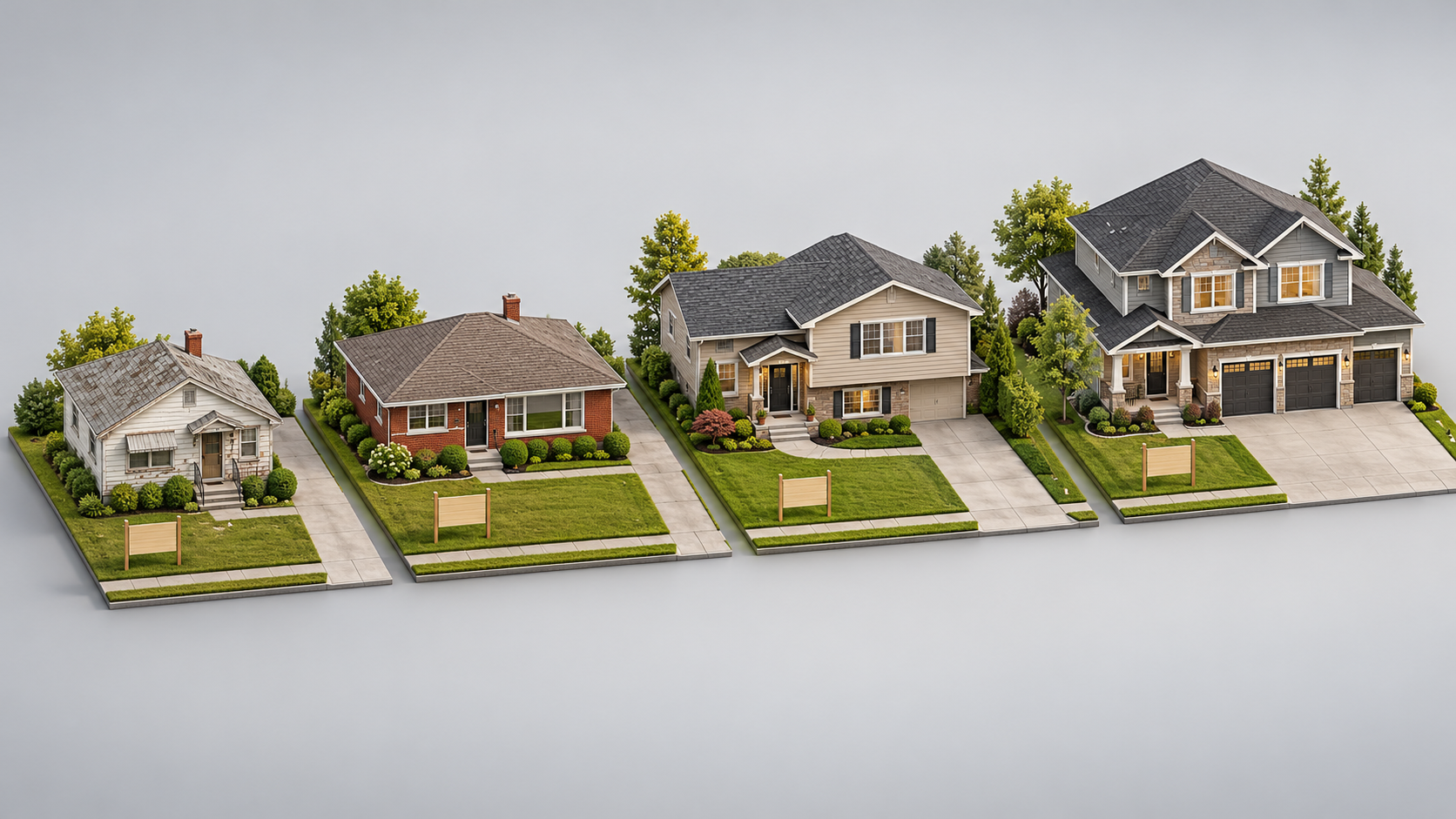
I analyze 10 to 12 deals every week across the metro. Here's how the Independence price bands typically break down, based on current market data and my own valuation work. Think of these as general ranges, not guarantees. Condition and location within the city swing values a lot.
Under $175,000
This is mostly investor and handyman territory.
Smaller post-war ranches and bungalows, often under 1,100 square feet.
Frequently dated kitchens, original baths, older mechanicals.
Many are concentrated in the older western and northwestern parts of the city.
Some need cosmetic work. Some need real money in the foundation, roof, or sewer line.
If you're an owner-occupant shopping here, bring a contractor's eye or bring someone who has one.
$175,000 to $250,000
This is the heart of the Independence MO homes for sale market.
Updated 3-bedroom ranches, split-levels, and Cape Cods, mostly built between the 1950s and 1970s.
Typically 1,100 to 1,500 square feet.
Many have been flipped or refreshed, so quality varies widely.
Garages, partially finished basements, and fenced yards are common.
This is where most first-time buyers land. It's also where a bad flip can hide behind new paint and gray vinyl plank. More on that below.
$250,000 to $350,000
This is where Independence starts to compete directly with Blue Springs and Raytown.
Larger homes, often 1,600 to 2,400 square feet.
Finished basements, two-car garages, and more updated systems.
More homes from the 1980s through the 2000s, especially in south and east Independence.
Some pockets fall into the Fort Osage or Blue Springs school districts, which affects value.
$350,000 and Up
This is a smaller slice of the market, but it exists.
Newer construction and larger two-story homes on the east side.
Homes on bigger lots or small acreage near the edges of the city.
Occasional historic homes near the Square with serious character and serious maintenance needs.
If you're shopping at this level, you need to compare carefully against Blue Springs, Lee's Summit, and Grain Valley. Your dollar has options.
Why Independence Has Real Infrastructure Behind It

Cheap is easy to find. Cheap with infrastructure is not. That's the difference between Independence and a lot of other low-cost options around the metro.
Highway access. I-70, I-470, MO-291, US-24, and US-40 all run through or along the city. Downtown Kansas City is a short drive for most of Independence.
Its own utility. Independence Power and Light is a city-owned electric utility. That's rare for a suburb.
Retail and services. The I-70 corridor has Independence Center, Bass Pro Shops, and the shopping and dining most families need without driving across town.
Healthcare. Centerpoint Medical Center serves the east side of the city.
History and identity. The Independence Square, the Truman Home, and the Truman Library give the city a real sense of place.
New economic investment. The Eastgate Commerce Center, a $1 billion-plus industrial project by NorthPoint Development, is under construction and tied to Nebius's AI data center project. That kind of investment brings construction jobs, permanent jobs, and long-term tax base.
I'm not going to promise that a data center turns Independence into Overland Park. It won't. But large employers and infrastructure investment tend to put a floor under housing demand. That's what you want when you're buying at the entry level.
Living in Independence Missouri: The Honest Pros and Cons
Every area has trade-offs. Here's my straight read on living in Independence Missouri.
The Pros
Some of the lowest home prices in the metro for a full-service city.
Fast access to I-70 and I-470 for commuters heading west or south.
Established neighborhoods with mature trees and larger lots than newer suburbs.
Strong rental demand, which matters for investors and for resale.
A real downtown with history, events, and local businesses.
The Cons
Older housing stock means more deferred maintenance than newer suburbs.
Quality can change block by block. You need to know the specific street, not just the zip code.
School district boundaries matter. Independence is served by the Independence School District, Fort Osage R-1, and in some eastern areas, Blue Springs R-IV. Homes in the Blue Springs district typically command a premium.
Jackson County property reassessments have frustrated a lot of homeowners in recent years. Factor taxes into your monthly budget, not just the purchase price.
Independence vs Blue Springs: Where Should You Buy?
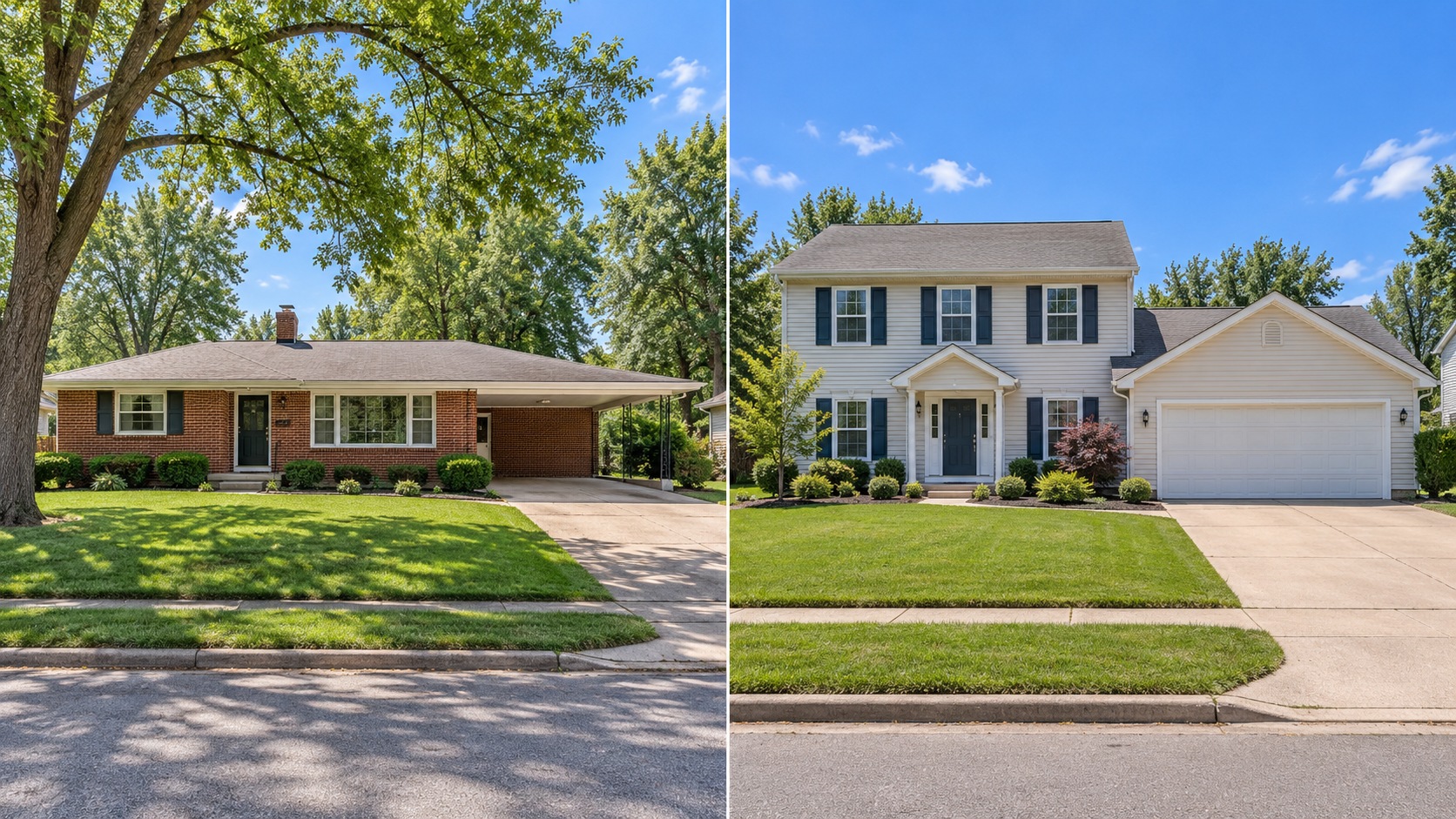
This is one of the most common questions I get on the east side. Independence vs Blue Springs comes down to how much you want to pay for newer construction and school reputation.
Here's the side-by-side picture from 2026 data:
Blue Springs had a median sold price of about $329,900 over the six months ending August 2026, with a median price per square foot of about $174.
Independence had median sale prices in the $220,000 to $240,000 range, with a price per square foot around $143.
The typical home in Blue Springs' 64014 zip code was built in the mid-1980s. The typical home in Independence's 64055 zip code was built in the mid-1960s.
That's a gap of roughly $90,000 to $110,000 at the median. Blue Springs buyers are paying for about 20 years of newer construction, slightly larger homes, and the Blue Springs School District name.
Choose Independence If
Your budget is under $275,000 and you want a detached home with a yard.
You're comfortable with an older home, or you're willing to buy one that needs work and build equity through repairs.
You're an investor looking for rent-to-price ratios that actually pencil.
You want to be closer to downtown Kansas City.
Choose Blue Springs If
Newer construction and lower near-term maintenance matter more than price.
The Blue Springs School District is a must-have for your family.
You have room in the budget for the premium and plan to stay long term.
One strategy I like: look for Independence addresses that fall inside the Blue Springs or Fort Osage school boundaries. You can sometimes get the district without paying full Blue Springs pricing.
Is Independence One of the Cheapest Suburbs in Kansas City?
Yes, but I want to be honest about what "cheapest" means.
If you only sort by median price, some areas of Kansas City, Kansas, parts of Raytown and Grandview, and several urban Kansas City, Missouri neighborhoods can come in at or below Independence.
But price alone is the wrong metric. When you rank the cheapest suburbs Kansas City has to offer by what you actually get, meaning highway access, city services, shopping, healthcare, employment, and established neighborhoods, Independence lands at or near the top.
That's why I call it the lowest entry point with real infrastructure behind it. If you want to compare areas side by side, browse my guide to Kansas City neighborhoods and featured listings. It's a good starting point for figuring out which of the best neighborhoods in Kansas City fit your budget and lifestyle.
The Builder's Inspection Checklist for Independence Homes
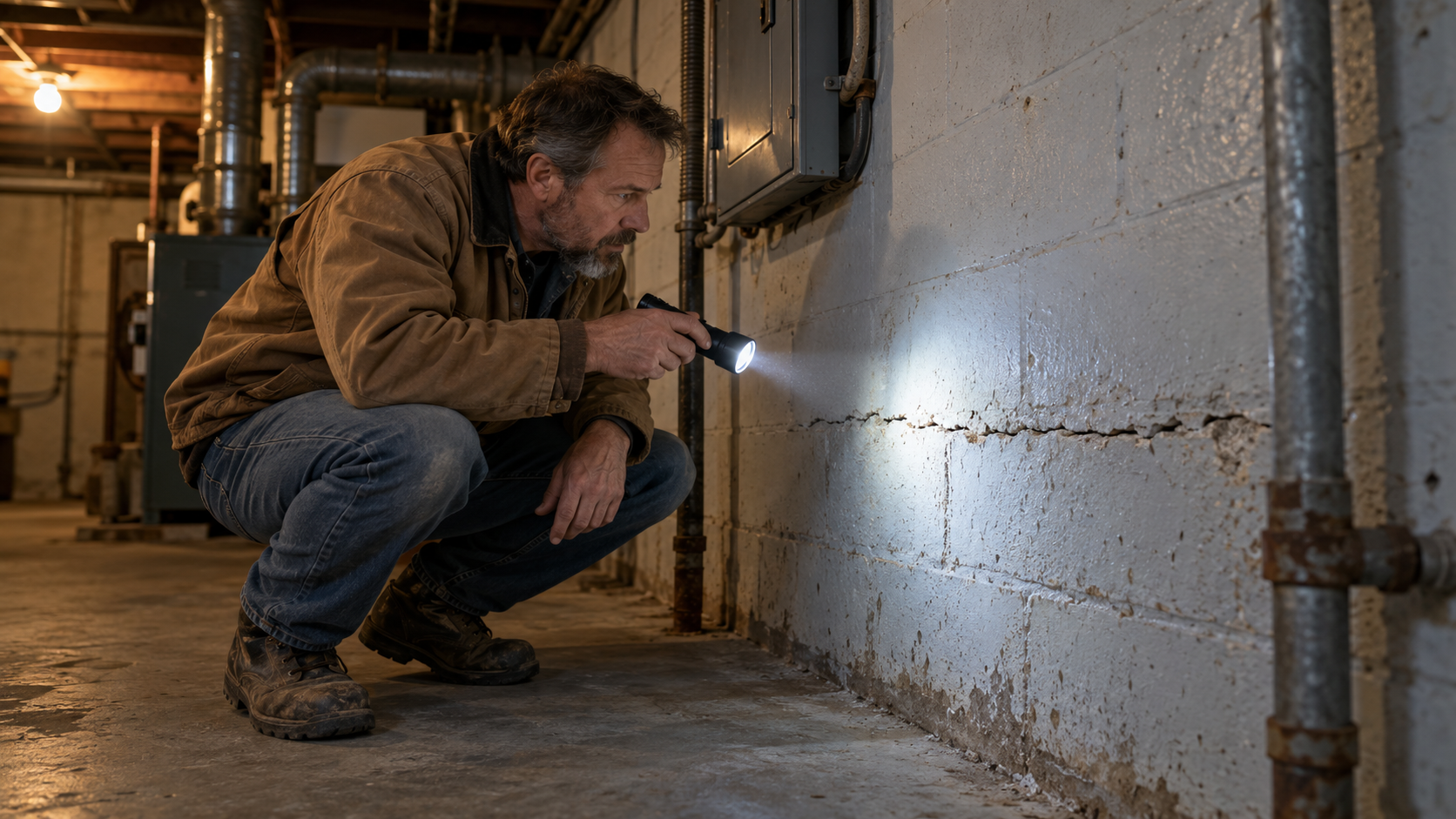
This is where my architecture and construction background earns its keep. Most Independence homes were built between 1945 and 1975. They're solid in a lot of ways. But they have predictable weak spots.
Before you buy, look hard at these:
Foundation. Check basement walls for horizontal cracks, bowing, and water staining. Missouri clay soil moves, and block foundations show it.
Sewer lateral. Many older homes still have clay tile sewer lines. Roots get in, joints separate, and repairs can run thousands. A sewer scope is cheap insurance. Get one.
Electrical. Look for original panels, two-prong ungrounded outlets, and amateur additions. Some older panel brands are known problems and may affect insurability.
Plumbing. Galvanized supply lines corrode from the inside and lose pressure over time. Budget for replacement if you see them.
Roof, HVAC, and water heater age. Ask for dates. A house with all three near end of life can need $20,000 or more within a few years.
Unpermitted work. Garage conversions, basement bedrooms without egress, and DIY additions are common. They can create problems at appraisal and resale.
Flip quality. New paint and flooring don't tell you what's behind the walls. I've flipped enough homes to know where corners get cut. Look at the mechanicals, not the finishes.
My rule of thumb: on an older Independence home, plan for a maintenance reserve from day one. Don't spend every dollar on the down payment.
For Investors: How the Numbers Work in Independence
Independence has been a core investor market on the east side for years. Here's how I think about it.
Flips
My formula never changes: MAO = 70% of ARV minus repairs.
Here's a simple example using Independence-level numbers:
After-repair value (ARV): $240,000
70% of ARV: $168,000
Estimated repairs: $45,000
Maximum allowable offer: $123,000
That leaves room for holding costs, closing costs, selling costs, and a profit target around $25,000. If you pay retail-adjacent prices for a flip in Independence, you're buying yourself a job, not a deal.
Buy and Hold
With median rent around $1,360 and median values in the low $200,000s, retail-priced rentals are thin on cash flow at today's interest rates. Buy and hold works in Independence when you:
Buy below retail through off-market, distressed, or expired-listing sellers.
Add value with a targeted rehab.
Focus on 3-bedroom homes with garages near major roads, which tend to rent fastest.
Independence rewards investors who underwrite conservatively and know construction costs. It punishes investors who don't.
For Sellers: How to Win in Independence
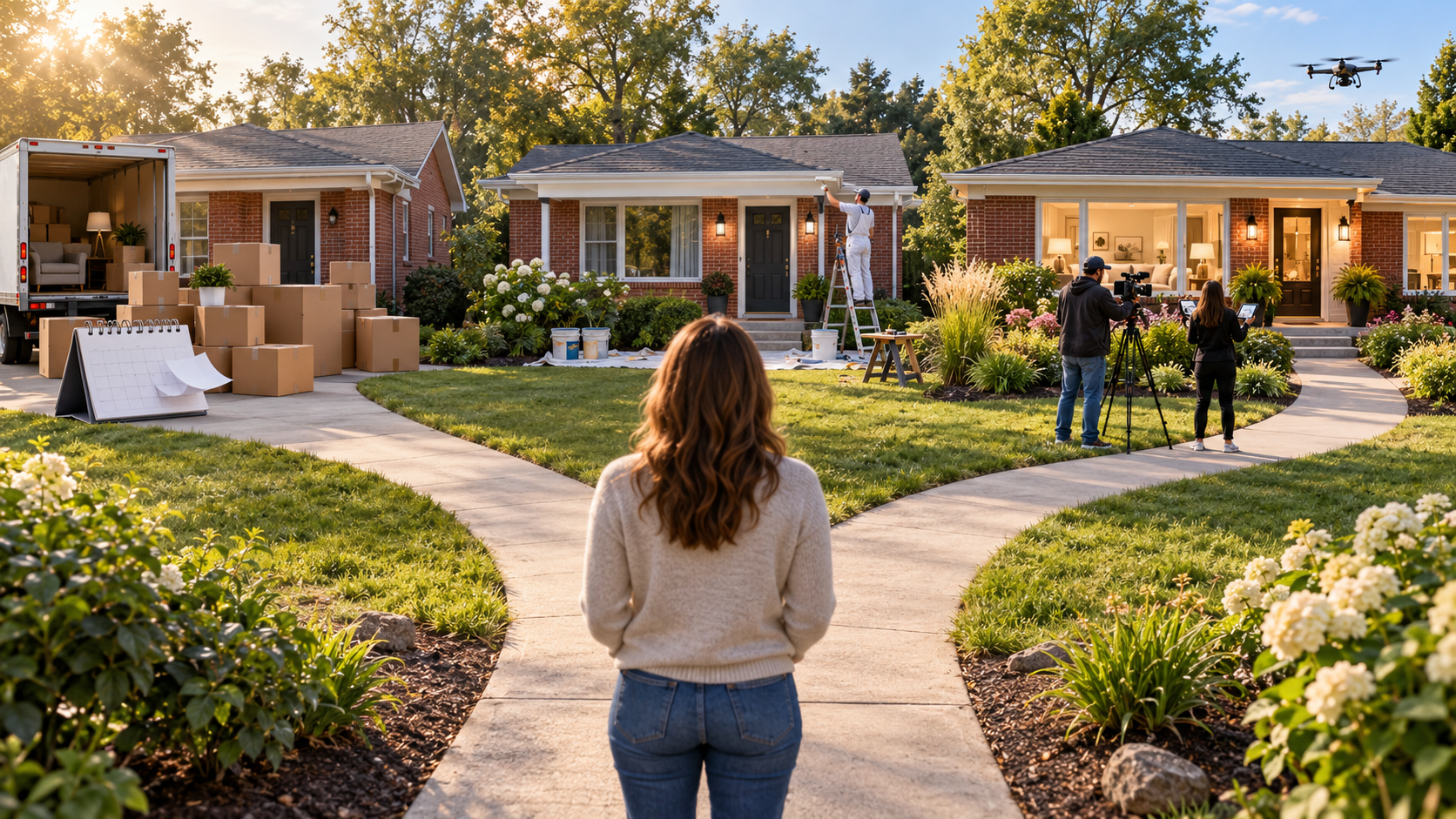
Independence buyers are price-sensitive. Many are first-time buyers using FHA or VA financing. That means two things matter more here than in higher-priced suburbs: pricing strategy and condition.
At Heartland Homes KC, I don't believe in one-size-fits-all selling. Every seller gets multiple options, and we pick the one that maximizes your net, not just your price.
Cash Offers+. Many sellers start by searching for cash home buyers Kansas City wide. Instead of taking the first lowball offer, you can compare real cash offers here and close in as little as 7 to 14 days.
Fix It and List It. If your home needs updates, we can help handle repairs with no upfront cost so you sell at full market value instead of investor value.
Traditional listing with a real plan. Our 100-Point Marketing Plan is built to create demand before your home ever hits the market.
Not sure where you stand? Start with a free home value report. Then we'll map out aggressive, market, and premium pricing so you can see the trade-offs clearly.
Frequently Asked Questions About Independence MO Real Estate
Is Independence MO a good place to buy a house in 2027?
For buyers who want a detached home under $275,000 with strong highway access and city services, yes. It's one of the best values in the Kansas City metro. The key is choosing the right street and getting a thorough inspection on older homes.
What is the average home price in Independence MO?
As of mid-to-late 2026, typical home values were around $214,000, and median sale prices ranged from about $220,000 to $240,000 depending on the month and source.
Is Independence or Blue Springs better for families?
Blue Springs offers newer homes and a strong school district name for about $90,000 to $110,000 more at the median. Independence offers more home for the money and closer access to Kansas City. Families focused on schools should look at Independence addresses inside the Blue Springs or Fort Osage school districts.
Who buys houses for cash in Independence without repairs?
Both investors and iBuyer-style platforms buy Independence homes as-is. The smartest move is to compare several cash offers against your projected net from a traditional listing before you decide.
What should I inspect when buying an older home in Independence?
Focus on the foundation, the sewer line, the electrical panel, the plumbing supply lines, and the age of the roof, HVAC, and water heater. A sewer scope is one of the best-value inspections you can order.
Is Independence still one of the cheapest suburbs in Kansas City?
It remains one of the most affordable full-service suburbs in the metro. A few areas come in lower on price, but few match Independence's combination of price, infrastructure, and access.
Let's Talk About Your Independence Move

Independence isn't for everyone. But for the right buyer, investor, or seller, it's one of the smartest plays in the Kansas City market heading into 2027.
If you're thinking about buying, selling, or investing in Independence, let's map out your options together. I'll bring the builder's eye, the investor math, and a seller-first strategy that puts your bottom line first.
Schedule your free strategy call with Jason DeLong and Heartland Homes KC today.


