
How to Winterize a House in Missouri: A Builder’s Checklist
I’ve built 100+ homes. These are the five things that actually cause winter damage claims in Missouri.
Most winterizing checklists online were written for Minnesota or Maine. They tell you to buy a snow blower and stock up on rock salt. That’s not where Missouri homes get hurt.
Our winters are different. We get 60 degrees on Tuesday and single digits on Thursday. We get ice storms more than deep snow. We get freeze-thaw cycles that work on a house all season long.
I’m Jason DeLong with Heartland Homes KC. I’ve built over 100 homes and flipped over 150 homes personally, so I know a thing or two about the process. I also have an architecture degree, and I underwrite investment properties every week. That means I see houses from three angles: how they were built, how they fail, and what that failure costs at resale.
This guide covers how to winterize a house in Missouri the way a builder thinks about it. Not a long list of chores. The handful of things that actually matter. If you want a second set of eyes on your house before the cold hits, you can schedule a call with me here.
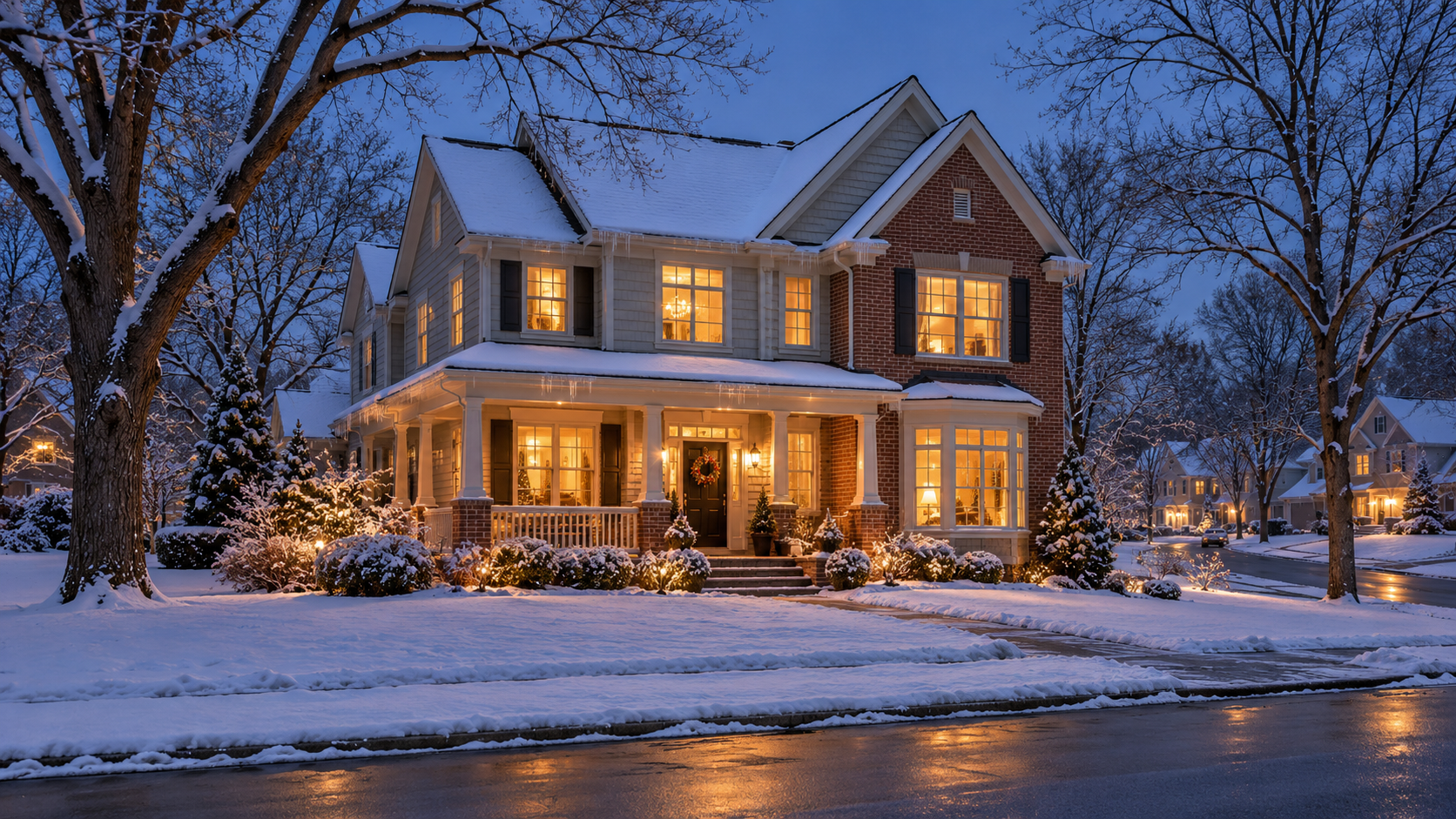
Why Missouri Winters Are Harder on Houses Than You Think
Missouri doesn’t have the harshest winters in the country. But it may have some of the most inconsistent ones.
Here’s why that matters. A house in a steady cold climate is built and maintained for steady cold. A house in Kansas City gets hit with rapid swings. Snow melts during the day and refreezes at night. Water gets into small gaps, freezes, expands, and opens those gaps wider.
Frost depth in the Kansas City area runs roughly 30 to 36 inches. That tells you how deep the cold reaches into the ground. Anything above that line, including pipes in crawlspaces and lines running to outdoor spigots, is exposed.
The other issue is complacency. A mild December convinces people they skipped winter. Then a January cold snap drops temps below zero, and every weak point in the house fails at once.
The 5 Things That Actually Cause Winter Damage Claims in Missouri
After decades of building, flipping, and evaluating homes, the same five problems show up again and again. Fix these and you’ve handled most of the real risk.
1. Frozen and Burst Pipes
This is the big one. Burst pipes are the leading cause of winter weather property damage, and the claims are expensive. State Farm reported an average winter water damage claim payment of more than $30,000 for the period from 2024 through mid-2025.
The math is brutal. A crack just one-eighth of an inch wide can release more than 250 gallons of water a day. If you’re at work or out of town, that’s a gutted first floor by the time you get home.
The real danger zone starts around 20 degrees Fahrenheit. Below that, poorly protected pipes can freeze in a matter of hours.
Where pipes freeze in Missouri homes, from a builder’s perspective:
Kitchen sinks on exterior walls
Bathrooms or bonus rooms built over garages
Plumbing in crawlspaces, especially with open foundation vents
Hose bibs (outdoor spigots) with a hose still attached
Water lines in unheated garages
Cantilevered floors and bump-outs where insulation was skimped during construction
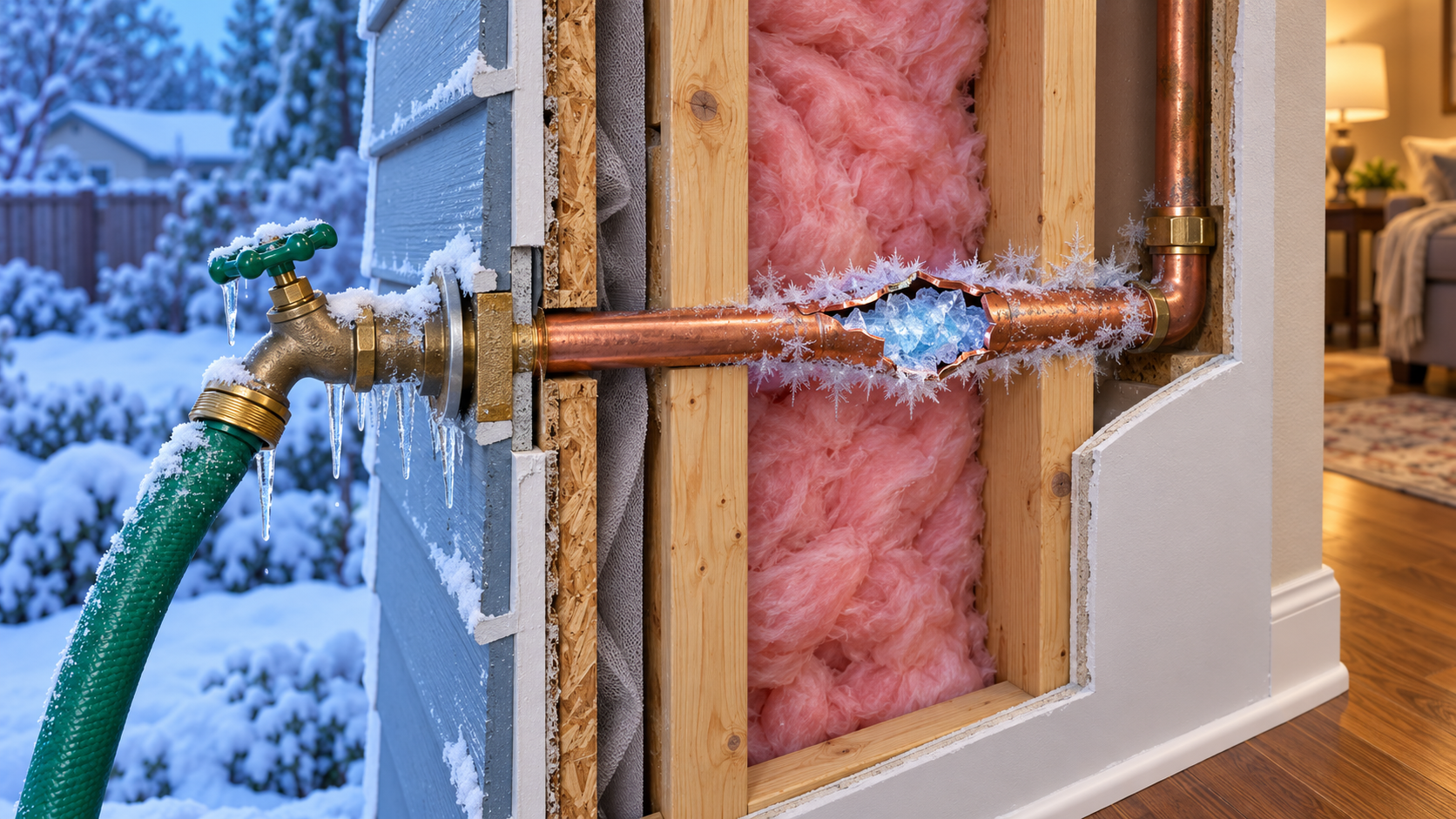
Here’s the one most people miss. Frost-free hose bibs are designed so the actual shut-off valve sits inside the warm wall. But they only work if water can drain out. Leave a garden hose connected and you trap water in the valve body. It freezes, splits the pipe inside your wall, and you won’t know until you turn the spigot on in April.
How to prevent frozen pipes in Missouri:
Disconnect every garden hose before the first hard freeze
Shut off and drain any outdoor lines that have an interior shut-off valve
Insulate exposed pipes in crawlspaces, garages, and basements with foam sleeves
Close crawlspace vents for the winter if your home has them
Keep the thermostat at 55 degrees or higher, even when you leave
Open sink cabinet doors on exterior walls during cold snaps
Let a slow drip run on vulnerable faucets when temps drop below 20
Know exactly where your main water shut-off is, and make sure it actually turns
That last point matters more than people think. In a lot of older Kansas City homes, the main valve hasn’t been touched in years and won’t budge when you need it. Test it now, not at 2 a.m. with water coming through the ceiling.
2. Ice Dams and Roof Leaks
Ice dams are a heat problem disguised as a roof problem.
Here’s how they form. Warm air leaks from your living space into the attic. That heat warms the roof deck and melts the snow on top. The meltwater runs down to the eaves, which hang out past the warm part of the house and stay cold. The water refreezes there and builds a ridge of ice. More meltwater backs up behind it, slides under the shingles, and leaks into your walls and ceilings.
Missouri’s freeze-thaw pattern makes this worse. One sunny afternoon after a snowfall is all it takes.
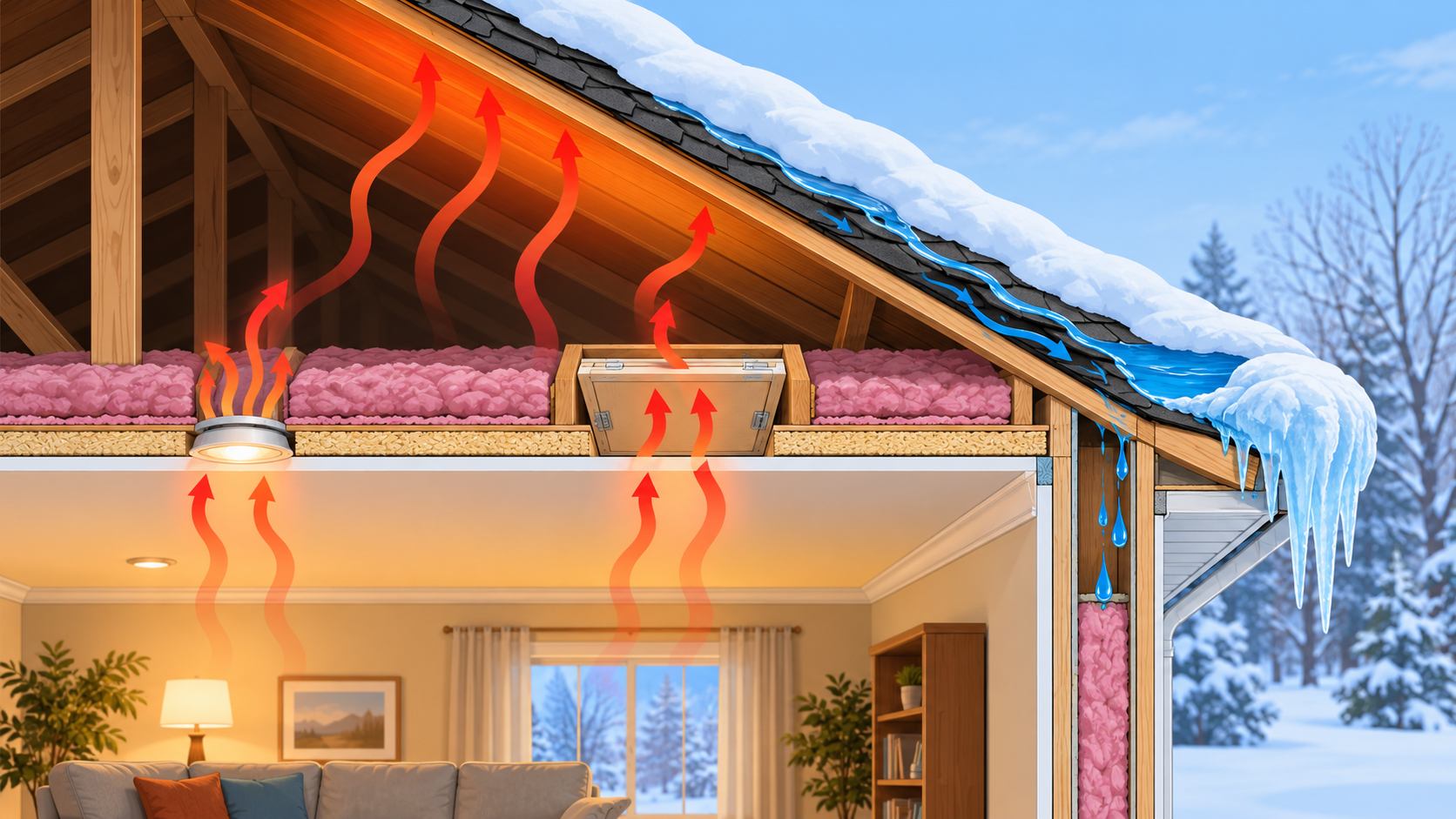
Ice dam prevention starts in the attic, not on the roof:
Air seal the attic floor first. Look at gaps around recessed lights, plumbing stacks, wiring holes, and the attic hatch
Check insulation depth. Many older homes are well below what current energy codes call for
Make sure insulation isn’t blocking the soffit vents. Baffles keep the airflow path open
Confirm bathroom exhaust fans vent outside, not into the attic. I see fans dumping warm, wet air into attics more often than you’d believe
Clean gutters and downspouts so meltwater has somewhere to go
What not to do: don’t climb on an icy roof with a hammer and chip away at the ice. You’ll damage the shingles and risk a fall. If you have active ice dams, call a pro.
From a builder’s standpoint, insulation alone doesn’t fix ice dams. Air sealing does most of the work. Warm air moving into the attic carries far more heat than what conducts through the insulation. Seal first, then insulate.
3. Furnace Failure on the First Hard Freeze
Every fall, the same thing happens. The first real cold night hits Kansas City, thousands of furnaces kick on for the first time in months, and HVAC companies get buried in calls. If yours fails that night, you could be waiting days.
A dead furnace in January isn’t just uncomfortable. It’s how pipes freeze in houses that were otherwise fine.
Furnace maintenance before winter should include:
Replace the air filter, and set a reminder to check it monthly through winter
Schedule a professional tune-up in early fall, before the rush
Have the technician check the heat exchanger and burners
Test carbon monoxide detectors on every level, and near sleeping areas
Turn the heat on during a mild day in October to make sure it actually runs
On high-efficiency furnaces, keep the white PVC intake and exhaust pipes outside clear of snow, leaves, and debris
Check the condensate drain line, especially if any part of it runs through a cold space
That PVC venting point is a common one. A snow drift or blocked intake can shut down a high-efficiency furnace. Know where those pipes exit your house and keep them clear after a storm.
4. Water Around the Foundation
Water and foundations don’t mix, and winter makes the relationship worse.
Much of the Kansas City metro sits on clay soil. Clay holds water. When saturated soil next to your foundation freezes, it expands and pushes against the walls. Repeat that dozens of times a season and you get cracks, leaks, and in some cases, real structural movement.
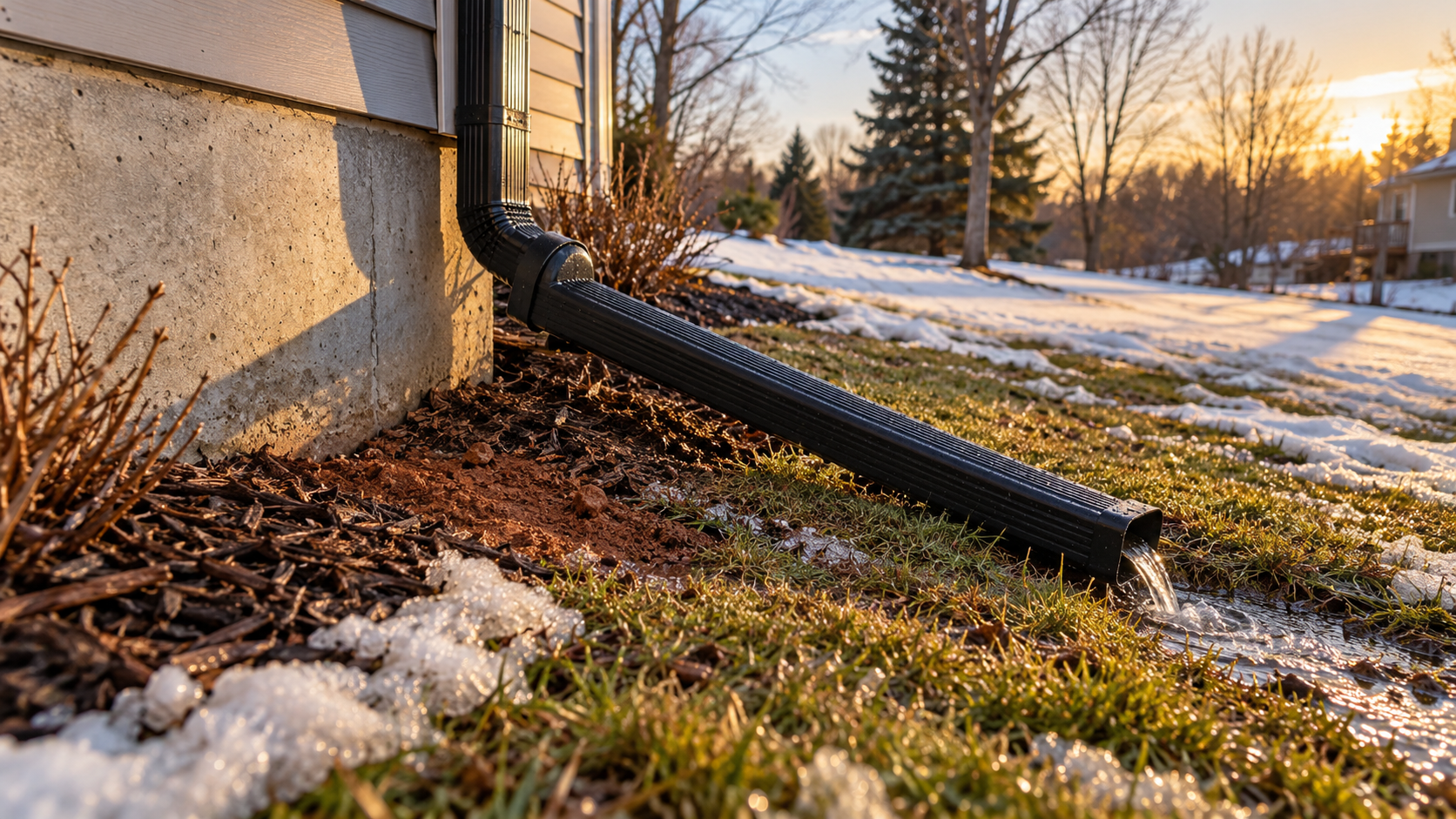
The fix isn’t complicated. It’s about getting water away from the house.
Extend downspouts at least 4 to 6 feet from the foundation
Make sure soil slopes away from the house, not toward it
Check the sump pump and make sure the discharge line isn’t frozen or clogged. A frozen discharge line means the pump runs and goes nowhere
Seal foundation cracks before winter so cold air and water can’t get in
Avoid rock salt on concrete that’s less than a year old, and go easy on it in general. It accelerates surface damage on driveways and walks
Foundation problems are some of the most expensive repairs I see when evaluating homes. And they almost always start with water management that nobody thought about.
5. The Vacant or Unmonitored House
This one doesn’t show up on most winter home maintenance checklists. It should.
A lot of winter disasters happen in houses nobody is living in. An estate property waiting to be sold. A rental between tenants. A seller who already moved to their next home. A snowbird who left for Arizona.
No one is there to notice the furnace quit. No one hears the drip. By the time someone walks in, the damage has been running for days or weeks.
There’s also an insurance issue. Many homeowner policies limit or change coverage once a property has been vacant for a set period. Read your policy, or call your agent, before you leave a house empty for the winter.
If a house will sit empty, you have two real options:
Keep it heated at 55 degrees or higher, with a smart thermostat, water leak sensors, and someone checking on it in person regularly
Fully winterize it: shut off the main water, drain the supply lines, blow out the lines with air, drain the water heater, and add non-toxic RV antifreeze to toilets and drain traps
For long vacancies, I’d lean toward full winterization by a licensed plumber. It’s cheap insurance against a five-figure loss.
How to Winterize a House: The Builder’s Checklist
Here’s the full winter home maintenance checklist, organized the way I’d walk a house. Start outside and work in.

Outside the House
Disconnect and store garden hoses
Shut off and drain outdoor faucets with interior shut-offs
Blow out sprinkler lines
Clean gutters and check that downspouts are attached and extended
Check grading around the foundation
Trim tree limbs hanging over the roof. Ice storms bring them down
Seal gaps around exterior penetrations like hose bibs, dryer vents, and utility lines
Roof, Gutters, and Attic
Look for missing, curled, or damaged shingles
Check flashing around chimneys, vents, and skylights
Air seal the attic floor
Confirm insulation depth and that soffit vents are clear
Verify bath fans vent outside
Plumbing
Locate and test the main water shut-off
Insulate pipes in crawlspaces, garages, and exterior walls
Close crawlspace vents
Check the sump pump and discharge line
Drain sediment from the water heater
Heating and Safety
Schedule a furnace tune-up
Replace the furnace filter
Test smoke and carbon monoxide detectors
Clear high-efficiency furnace vent pipes outside
Have the chimney inspected and cleaned if you burn wood
If the House Will Sit Empty
Set the thermostat to 55 degrees or higher, or fully winterize the plumbing
Install water leak sensors and a smart thermostat with temperature alerts
Arrange regular in-person checks
Review your insurance policy’s vacancy terms
What Winter Damage Does to Your Home’s Value
Here’s the part most winterizing guides skip.
When I underwrite a house as an investor, I’m looking for the problems that cost real money. Water damage from a winter freeze is near the top of that list. Stained subfloors under sinks. Patched drywall on exterior walls. Ceiling stains near the eaves from ice dams. Efflorescence on basement walls from foundation water.
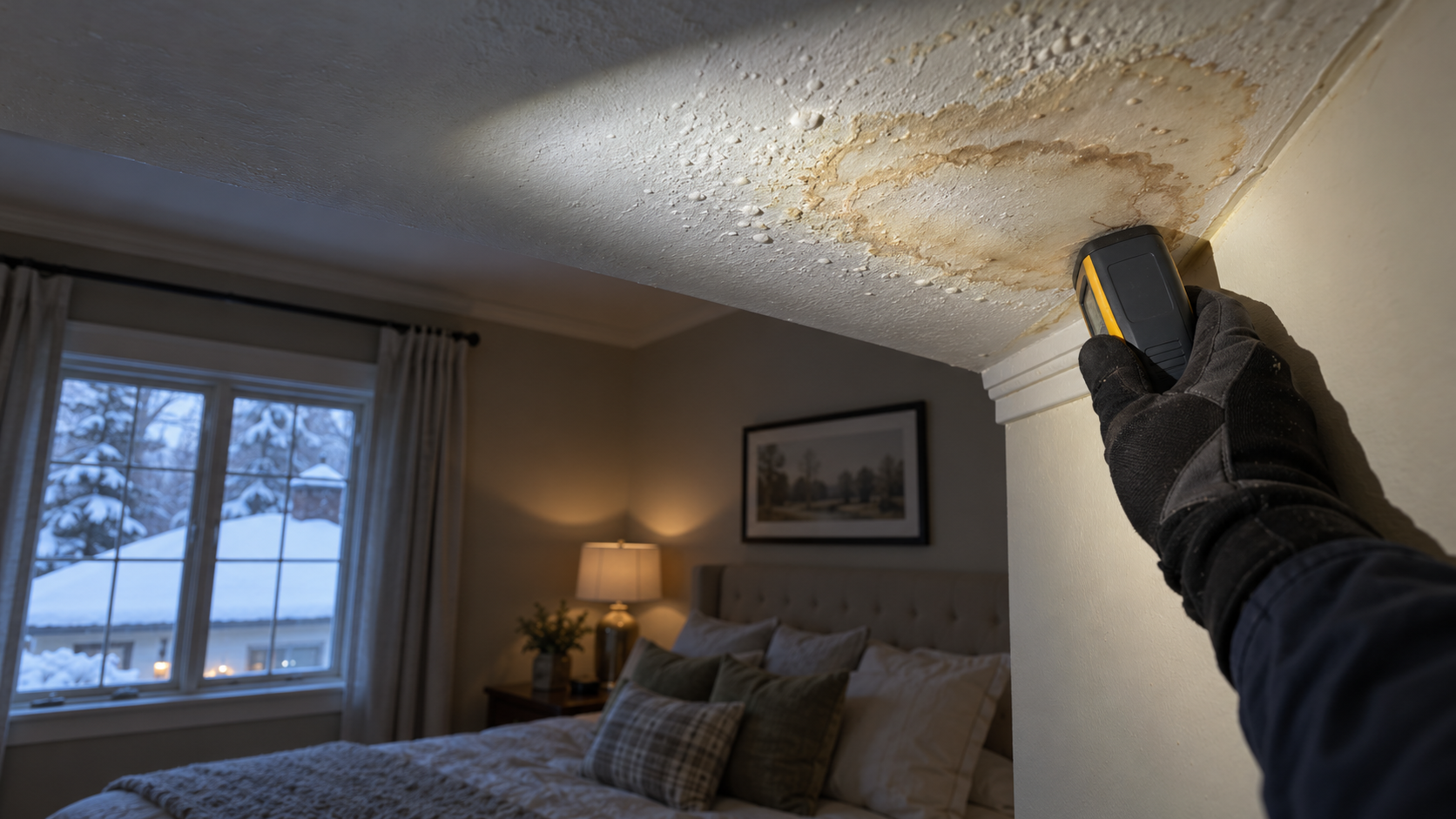
Buyers and inspectors see the same things. Every one of them becomes a negotiation point, a repair request, or a reason a buyer walks.
Winterizing isn’t just about avoiding an insurance claim. It’s about protecting your equity. A house that’s been maintained tells a better story at sale time, and that story shows up in your net.
Thinking About Selling This Winter?
Winter is a real selling season in Kansas City. Inventory is lower, and the buyers who are out looking are usually serious.
If you’re weighing a move, start with the numbers. You can get an instant estimate of your home’s value here.
Some sellers want speed and certainty more than anything. Maybe it’s an estate, a vacant house, or a home that needs work you don’t want to take on. A lot of those folks search for cash home buyers Kansas City and take the first offer they get. I’d push back on that. Cash is one option, not the only one. You can compare cash offers on your home here, and then we can look at it side by side with listing, a fix-and-list approach, or other creative options. The goal is to maximize your net, not just get a fast price.
If you do list, the marketing matters even more in winter. Here’s the Heartland Homes KC 100-Point Marketing Plan I use to get homes seen, shown, and sold.
And if you’re on the buying side, now is a smart time to tour. You see how a house handles cold weather, heating, and drainage in real conditions. Browse homes across some of the best neighborhoods in Kansas City on my featured listings and Kansas City neighborhoods page.
Frequently Asked Questions About Winterizing a House in Missouri
When should I winterize my house in Missouri?
Aim to finish by late October or early November. The first hard freeze in the Kansas City area often lands in that window. Furnace service should happen even earlier, before HVAC companies get busy.
What temperature should I keep my house at in winter to prevent frozen pipes?
Keep the thermostat at 55 degrees or higher, even when you’re away. Pipes in exterior walls and unheated spaces are the most vulnerable, so open sink cabinets and drip faucets when temps drop below 20.
Do I need to winterize a house I’m still living in?
Yes. Winterizing isn’t just for vacant homes. Disconnecting hoses, servicing the furnace, sealing the attic, and managing foundation water protect any occupied home from the most common winter damage claims.
How do I prevent ice dams on my roof?
Stop heat from escaping into the attic. Air seal the attic floor, add insulation where it’s thin, keep soffit vents clear, and make sure bathroom fans vent outside. Clean gutters help, but they don’t solve the root cause.
What should I do if a pipe freezes?
Shut off the main water valve if you suspect a burst. Open the faucet on the frozen line and warm the pipe gradually with a hair dryer, heating pad, or space heater. Never use an open flame. If you can’t find the frozen section, call a plumber.
How do I winterize a vacant house?
Either keep the heat at 55 degrees with remote monitoring and regular in-person checks, or have a plumber fully winterize the plumbing by shutting off the main, draining and blowing out the lines, and adding RV antifreeze to traps and toilets. Check your insurance policy for vacancy limits either way.
Get a Builder’s Eye on Your House Before Winter Hits
Most winter damage isn’t bad luck. It’s a weak point that was there all along, waiting for the right cold snap.
If you’re a homeowner trying to protect your biggest investment, or you’re thinking about selling and want to know where your house stands, I can help. As a Kansas City real estate agent who has built, flipped, and evaluated hundreds of homes, I look at a property the way a builder and an investor would. That’s what we do at Heartland Homes KC.
Schedule a call with me here and let’s talk through your house, your goals, and your options.
Jason DeLong
Heartland Homes KC | eXp Realty


