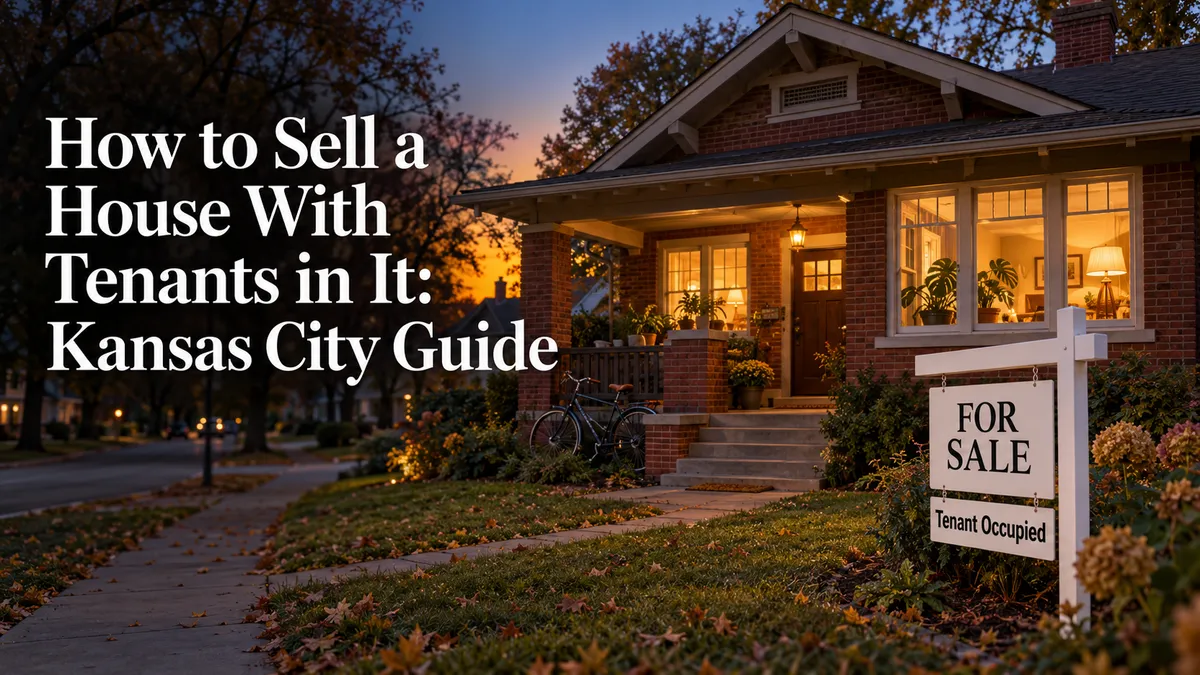
How to Sell a House With Tenants in It: Kansas City Guide
How to Sell a House With Tenants in It: Kansas City Landlord Guide
You can sell with tenants in place. You just can't pretend the lease doesn't exist.
That's the part most landlords skip. They decide to sell, call an agent, and assume the tenant will figure it out. Then showings get messy. The buyer walks. Or the landlord tries a shortcut that turns into a court date.
I'm Jason DeLong with Heartland Homes KC. I've built over 100 homes and flipped over 150 homes personally, so I know a thing or two about the process. I've also been on the landlord side of the table as an investor. Selling a tenant-occupied house isn't hard. It just has more moving parts than a vacant one, and the order you do things in matters.
This guide covers how to sell a house with tenants in it across the Kansas City metro, on both the Missouri and Kansas sides. If you'd rather talk through your specific property, book a quick strategy call here.
The Rule That Governs Everything: The Lease Survives the Sale
Selling the house does not cancel the lease. Ownership changes. The tenant's rights don't.
The buyer steps into your shoes as the new landlord. So before you pick a selling strategy, figure out which kind of tenancy you actually have.
If Your Tenant Has a Fixed-Term Lease
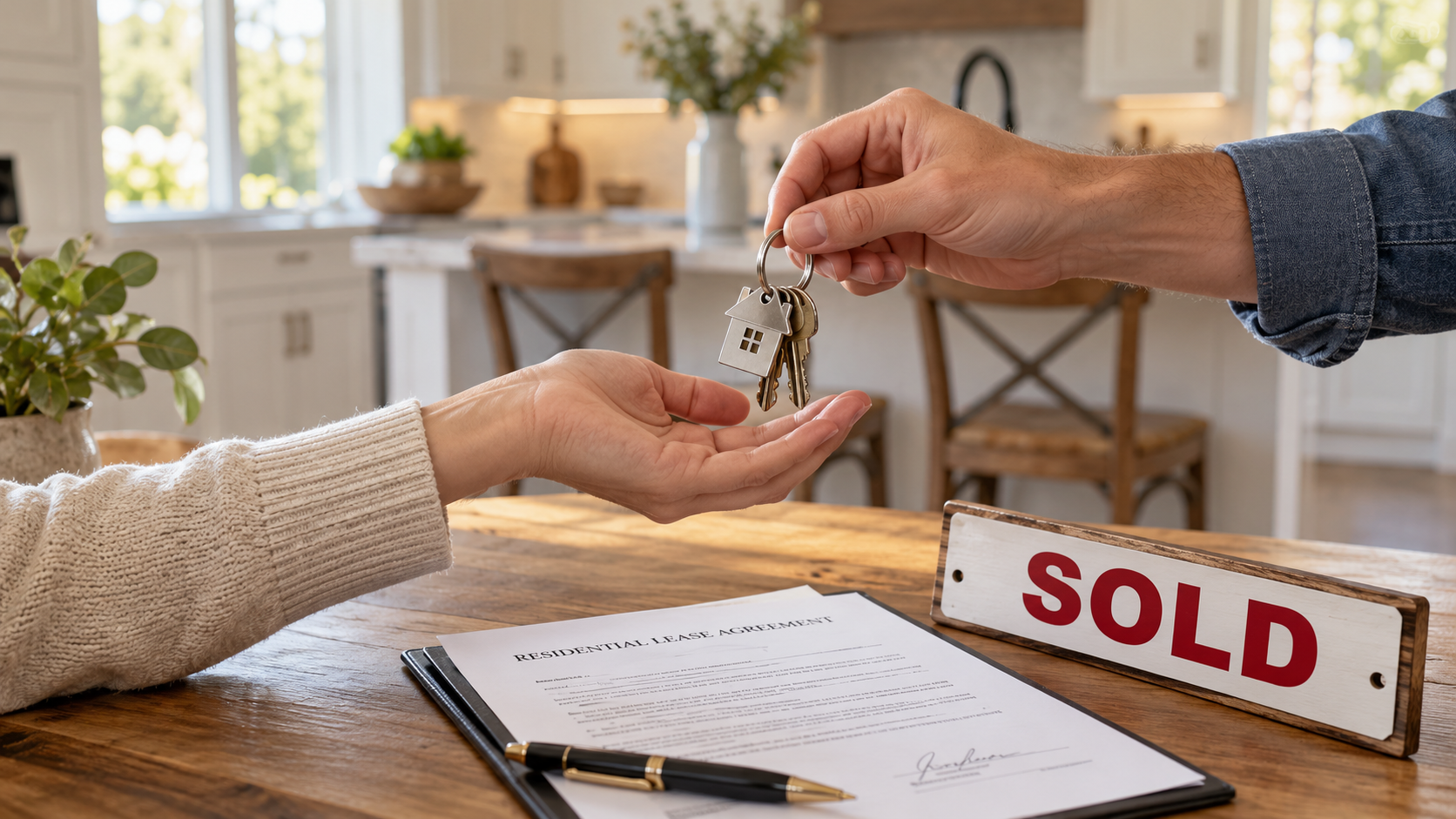
A fixed-term lease runs to a set end date. If you sell in the middle of it, the buyer generally has to honor it until it expires. The only exceptions are a lawful early-termination clause in the lease or a voluntary agreement with the tenant.
That means your buyer pool is mostly investors, unless the lease ends before closing or the tenant agrees to leave early.
If Your Tenant Is Month-to-Month
Month-to-month gives you more flexibility, but the notice rules are specific.
Missouri side: Either party can end a month-to-month tenancy with one month's written notice. The termination date has to land on a rent-paying date at least one month after the tenant receives the notice (RSMo 441.060).
Kansas side (Johnson County, Wyandotte County): The notice must be in writing and end the tenancy on a rent-paying date at least 30 days after receipt (K.S.A. 58-2570).
The mistake I see most often? A landlord gives notice on the 20th and expects the tenant out on the 1st. That's not a month. Count it out on a calendar before you send anything.
Can I Evict to Sell My House?
Short answer: not because you want to sell.
Selling is not grounds for eviction during an active lease. Here's how it actually breaks down.

Fixed-term lease: You can't remove a paying, compliant tenant mid-lease just to sell.
Month-to-month: You can end the tenancy with proper written notice. That's a non-renewal, not an eviction.
Tenant won't leave after proper notice: Now it's a holdover. Possession goes through the courts.
Never use self-help: No lockouts. No utility shutoffs. No removing belongings. That's how a sale turns into a lawsuit.
One more Kansas City reality check. Since June 2022, every tenant facing eviction inside KCMO has the right to a free attorney under the city's Right to Counsel ordinance. That's a good thing for fairness. It also means a contested case usually takes longer and costs you more in carrying costs than you'd guess.
That's why I almost always run the math on a negotiated exit before anyone talks about court.
Tenant Rights During a Sale in Missouri and Kansas
Here's what your tenant keeps when you list the property.
The Right to Their Lease Terms
Rent amount, lease length, and every other term stays the same through the sale. You can't raise rent mid-lease to push them out. And the buyer can't either.
The Right to Notice Before Showings
Inside Kansas City, Missouri: The KCMO Tenants Bill of Rights, passed in 2019, requires at least 24 hours' notice before a landlord enters. Without consent or that notice, you can't go in.
Kansas side: Kansas law lets a landlord show the unit to prospective buyers at reasonable hours after reasonable notice. It also bars landlords from abusing access or using it to harass the tenant (K.S.A. 58-2557).
Elsewhere on the Missouri side: Your lease's entry clause does a lot of the work. Read it before you schedule a single showing.
The Right to Their Security Deposit
Missouri caps deposits at two months' rent. When a tenant moves out, the landlord has 30 days to return it or send an itemized list of deductions. Wrongfully withholding it can cost up to twice the amount withheld.
Here's the catch. Missouri's statute doesn't spell out a clean procedure for transferring deposits when a rental sells. So put it in writing. Your purchase contract should either credit the buyer for the deposit at closing or document how it's being handled. Then notify the tenant in writing who holds it now.
The Right to Be Free From Retaliation
KCMO's Tenants Bill of Rights also protects tenants from retaliation. If your tenant has filed code complaints, be extra careful that every move you make is documented and by the book.
Your 5 Options for Selling a Rental Property With Tenants
This is where my seller-first approach comes in. There isn't one right path. There's the right path for your property, your tenant, and your timeline. Here are the five I walk landlords through.

Option 1: Sell to an Investor With the Tenant in Place
This is often the cleanest route. Investors and cash home buyers in Kansas City buy rentals based on the numbers: rent, condition, and repair costs.
A good tenant paying market rent is an asset to an investor. A below-market lease or a problem tenant becomes a discount.
Know how investors think. Most use some version of this formula:
Maximum Allowable Offer = 70% of After Repair Value minus Repairs
I analyze 10 to 12 deals a week using that math. When you understand it, you know whether a cash offer is fair or a lowball. You can compare cash offers on your property here.
Option 2: List It on the Open Market With the Tenant Living There
This works when the tenant is cooperative and the house shows well. It also opens you up to both investor buyers and owner-occupants whose timeline lines up with the lease end.
The tradeoff? Showings are harder, photos are tricky, and most owner-occupant buyers need the house empty at or shortly after closing. You need a tenant cooperation plan before the sign goes up. More on that below.
Option 3: Wait Out the Lease, Then Sell Vacant
Vacant houses show better and usually sell for more to retail buyers. You can also do a proper make-ready before listing.
This is where our Fix It & List It program helps. We handle repairs and upgrades with no upfront cost to you, then list it for top dollar.
The cost of waiting is vacancy. Every empty month means mortgage, taxes, insurance, and utilities with no rent coming in. Factor that in.
Option 4: Negotiate a Cash for Keys Agreement
You pay the tenant to move out voluntarily by an agreed date. It's often the fastest and least expensive way to get a vacant house without a court battle. I break it down in detail in the next section.
Option 5: Offer It to Your Tenant First
Your tenant already lives there. They know the house. Some of them want to buy it.
Ask early. Check your lease for any right of first refusal too. A tenant purchase can mean no showings, no vacancy, and a simpler closing.
How a Cash for Keys Agreement Works
Cash for keys is a voluntary deal. You pay the tenant an agreed amount, and they hand over the keys by a set date with the property in agreed condition.
It works because both sides win. The tenant gets moving money and a clean exit. You get a vacant house on a predictable timeline.

What to Put in a Cash for Keys Agreement
The exact move-out date
The payment amount and when it's paid
Condition requirements (broom clean, no belongings left behind, no new damage)
All keys, garage openers, and access codes returned
How the security deposit will be handled
Payment made only after the walk-through and key handoff
Signatures from every adult on the lease
Never pay upfront. Pay at the walk-through, after the keys are in your hand. And have a local real estate attorney paper the agreement.
Run the Math Before You Make the Offer
Compare the cash for keys amount against what the alternative actually costs:
Your monthly carrying costs (mortgage, taxes, insurance, utilities)
How many months a contested process could add
Legal fees
Lost rent if the tenant stops paying once they know you're selling
The price gap between selling occupied and selling vacant
When you put those numbers side by side, a reasonable cash for keys offer usually pencils out fast. It's rarely the cheap option on paper. It's often the cheap option in reality.
How to Get Tenant Cooperation for Showings
Your tenant controls the first impression of your house. Treat them like part of the sales team.
Talk before you list. Don't let the yard sign be how they find out.
Offer something real. A rent credit, a professional cleaning before photos, or a per-showing credit goes a long way.
Batch the showings. Set showing windows a couple of times a week instead of random daily requests.
Give proper notice every time. In KCMO, that's at least 24 hours.
Protect their privacy. Don't photograph personal items, valuables, or anything that identifies them. Secure the lockbox.
Get them out during showings when possible. Buyers don't relax in someone else's living room.
This is also where marketing does the heavy lifting. Our 100-Point Marketing Plan builds pre-market demand, so you need fewer showings to find the right buyer. Fewer showings means a happier tenant and a smoother sale.
Pricing a Tenant-Occupied House the Right Way
This is where my architecture and builder background earns its keep.
Tenant-occupied houses often look worse than they are. Clutter, wear, and deferred touch-ups hide good bones. Investors know that and price accordingly. Retail buyers see the mess and walk.
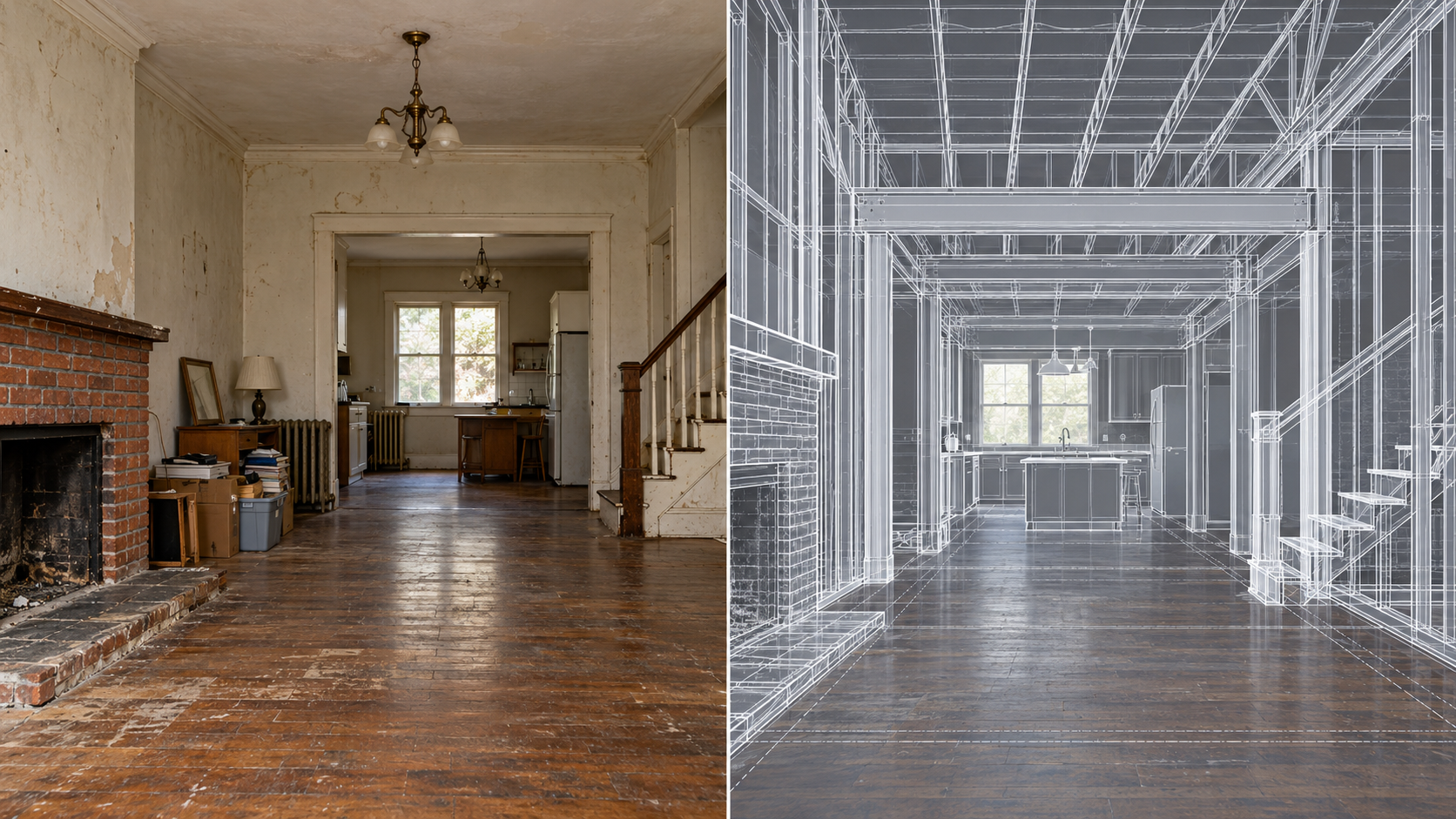
So you need to price for the buyer you're actually targeting.
Investor buyer: Priced on rent, cap rate, and repair cost.
Retail buyer: Priced on comparable sales, which usually assumes a clean, vacant house.
I build pricing in three tiers: aggressive, market, and premium. Then we compare them against what you actually walk away with. Maximize net, not just price. A higher sale price that takes four extra months of vacancy can net you less.
Location matters too. Investor demand and retail demand vary a lot across Kansas City neighborhoods. A tenant-occupied house in a strong rental pocket might sell faster to an investor. One in a sought-after school district might be worth getting vacant first. You can see what's moving in featured listings across Kansas City neighborhoods.
Want a starting number? Get a home value estimate here, then we'll pressure-test it with real rental and resale comps.
Paperwork Checklist Before You List
Have this ready before you talk to buyers. It speeds up every option above.
A copy of the current lease and all addenda
The rent ledger showing payment history
Security deposit records
An estoppel certificate signed by the tenant confirming rent, lease dates, and deposit
Copies of any notices you've given
Repair and maintenance records
Which utilities the tenant pays
Your KCMO rental permit, if the property is inside city limits
Investors move faster and pay more confidently when the file is clean.
Common Mistakes That Kill Tenant-Occupied Sales
Surprising the tenant. Uncooperative tenants are usually uninformed tenants first.
Promising a vacant house you can't deliver. Never sign a contract with a vacancy date you don't control.
Trying shortcuts. Self-help evictions and pressure tactics create legal exposure and kill deals.
Pricing like it's vacant. If it shows occupied, it needs to be priced for how it shows or for the investor math.
Ignoring the deposit. Sloppy deposit handling is a fast way to end up in a dispute after closing.
FAQ: Selling a House With Tenants in Kansas City
Can I sell my house with tenants in it in Missouri?
Yes. Missouri landlords can sell a tenant-occupied property at any time. The existing lease generally stays in effect, and the buyer becomes the new landlord.
Does the new owner have to honor the existing lease?
Generally, yes. A fixed-term lease typically continues until it expires unless the lease allows early termination or the tenant agrees to leave.
Can I evict a tenant to sell my house?
Not simply because you're selling. With a month-to-month tenant, you can end the tenancy with proper written notice. If a tenant stays after that, possession has to go through the courts.
How much notice do I give a tenant for a showing in Kansas City?
Inside Kansas City, Missouri, at least 24 hours under the Tenants Bill of Rights. On the Kansas side, state law requires reasonable notice at reasonable hours. Always check your lease too.
What happens to the security deposit when I sell a rental property?
It should follow the tenancy. Credit the buyer for the deposit at closing or document how it's handled in the contract, then notify the tenant in writing.
What is a cash for keys agreement?
It's a voluntary agreement where the landlord pays the tenant to move out by a set date and leave the property in agreed condition. Payment happens at the walk-through, after the keys are returned.
Do cash home buyers in Kansas City buy houses with tenants?
Yes. Many investors prefer tenant-occupied rentals because the income starts on day one. Expect them to price based on rent, condition, and repairs.
Talk Through Your Options With Heartland Homes KC
Every tenant-occupied sale has three variables: the lease, the tenant, and your timeline. The right strategy depends on all three.

As a Kansas City real estate agent and an active investor, I can show you what an investor would pay with the tenant in place, what you'd net after getting it vacant, and what a cash for keys deal would cost in between. Side by side. Then you pick.
Book your strategy call with Jason DeLong and Heartland Homes KC here. We'll map out your options and your real numbers in one conversation.
This article is general information, not legal advice. Landlord-tenant rules change and vary by city and lease. For notices, agreements, and anything headed toward court, talk with a local real estate attorney.


