Cost of Living in Kansas City 2026: Real Numbers, Not Averages | Guide
Cost of Living in Kansas City 2026: Real Numbers, Not Averages
Your $400,000 budget in Austin or Denver buys you a condo. In Kansas City, it buys you a house with a yard, a garage, and money left over. Here is the math nobody puts in the relocation brochures.
I've built over 100 homes and flipped over 150 homes personally, so I know a thing or two about the process. I am Jason DeLong, architecture degree from Kansas State, 17 years in this market. When I write about the cost of living in Kansas City 2026, I am not pulling a number off a national index and calling it a day. Those indexes are averages, and averages lie to relocation buyers in specific, expensive ways.
So let's do this the honest way. Real numbers, the traps hidden inside them, and what your actual monthly life costs here. If you would rather just talk it through, schedule a call, and we will run your exact budget.
The Short Answer: Is Kansas City Affordable in 2026?
Yes, and by a wide margin against the cities most of my relocation clients are leaving.
The Kansas City metro runs roughly 11% below the national average cost of living in 2026, with housing sitting well below that. That is the headline number, and it is true. But the headline number is also where buyers start making mistakes, because "11% below average" is not a plan. It is a bumper sticker.
Here is what the average hides, and why "real numbers, not averages" is the whole point of this page.
Trap #1: Median vs. Average (They Are Not the Same Number)
In June 2026, the Kansas City metro median sale price was $350,000. The average sale price was $410,448, per Heartland MLS.
That is a $60,000 gap between two numbers that describe the same market. Which one is real?
The median is the honest number. It is the middle of every closed sale, so a handful of million-dollar lake homes cannot drag it around. The average gets inflated by luxury sales at the top. When a relocation site quotes you "the average KC home," they are quoting you a number skewed upward by houses you are not shopping for.
Takeaway for your budget: anchor to $350,000, not $410,000. That $60,000 difference is a down payment.
Trap #2: "Kansas City" Is Three Different Prices
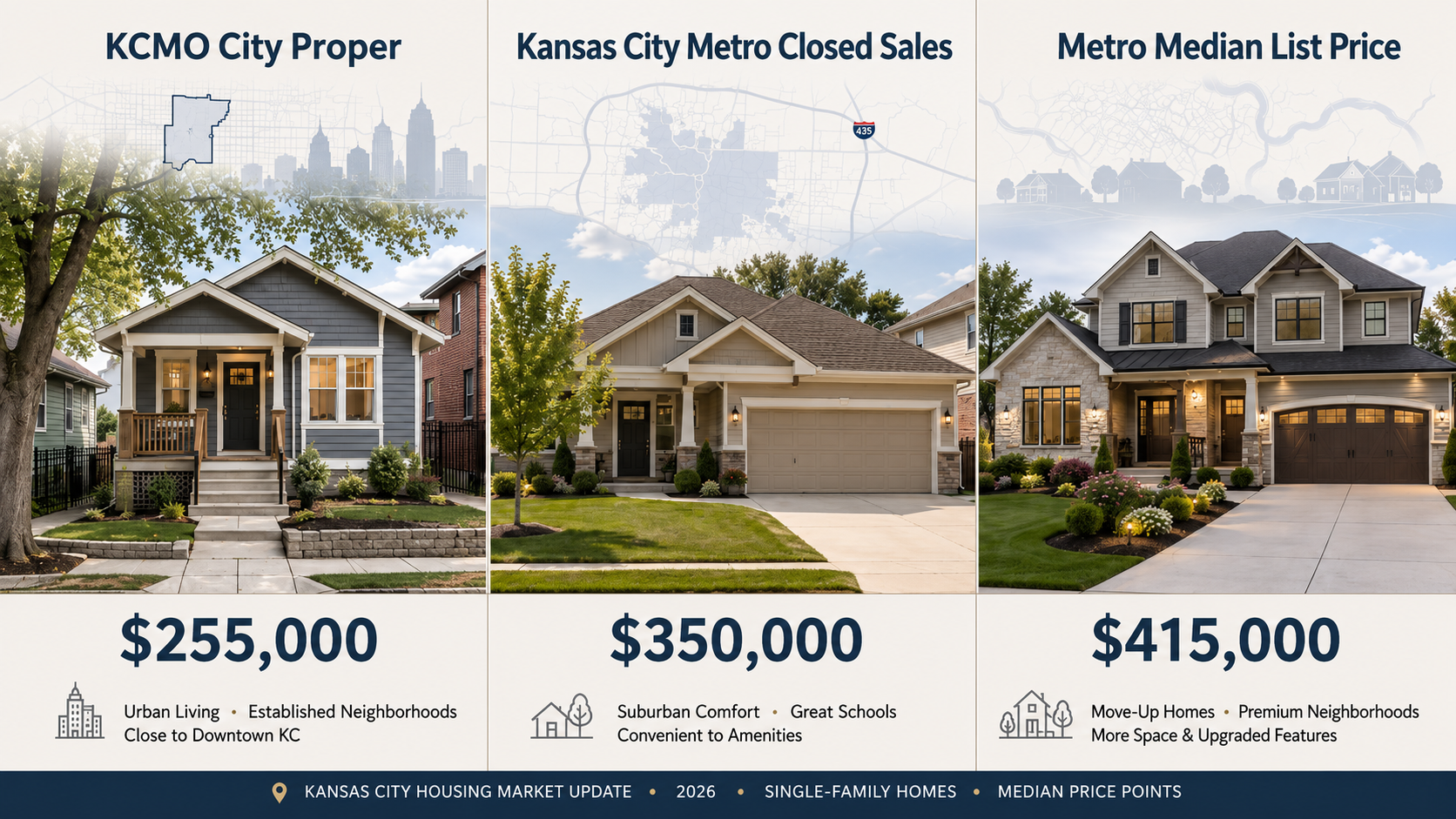
Type "median home price Kansas City 2026" into a search bar, and you will get numbers ranging from $255,000 to $415,000. None of them is wrong. They are measuring different things.
City proper (KCMO): the Zillow home value index sits around $255,000. This includes urban core neighborhoods with a wide range of conditions.
Full metro, closed sales: $350,000 median, the number you will actually compete at in the suburbs.
Metro median list price: around $415,000, because sellers ask high and the market negotiates it down.
A buyer who reads "$255K" and shops Parkville is in for a shock. A buyer who reads "$415K" and skips KC entirely just talked themselves out of the best housing value in the country. The number that matters is the one for the specific submarket you would actually buy in, and those swing hard from the urban core to the Northland to Johnson County.
That is a five-minute conversation, and it is exactly what a call is for. It is also why our featured Kansas City neighborhoods page shows live listings by area instead of one metro-wide number.
Kansas City vs. Austin Cost of Living: The Head-to-Head
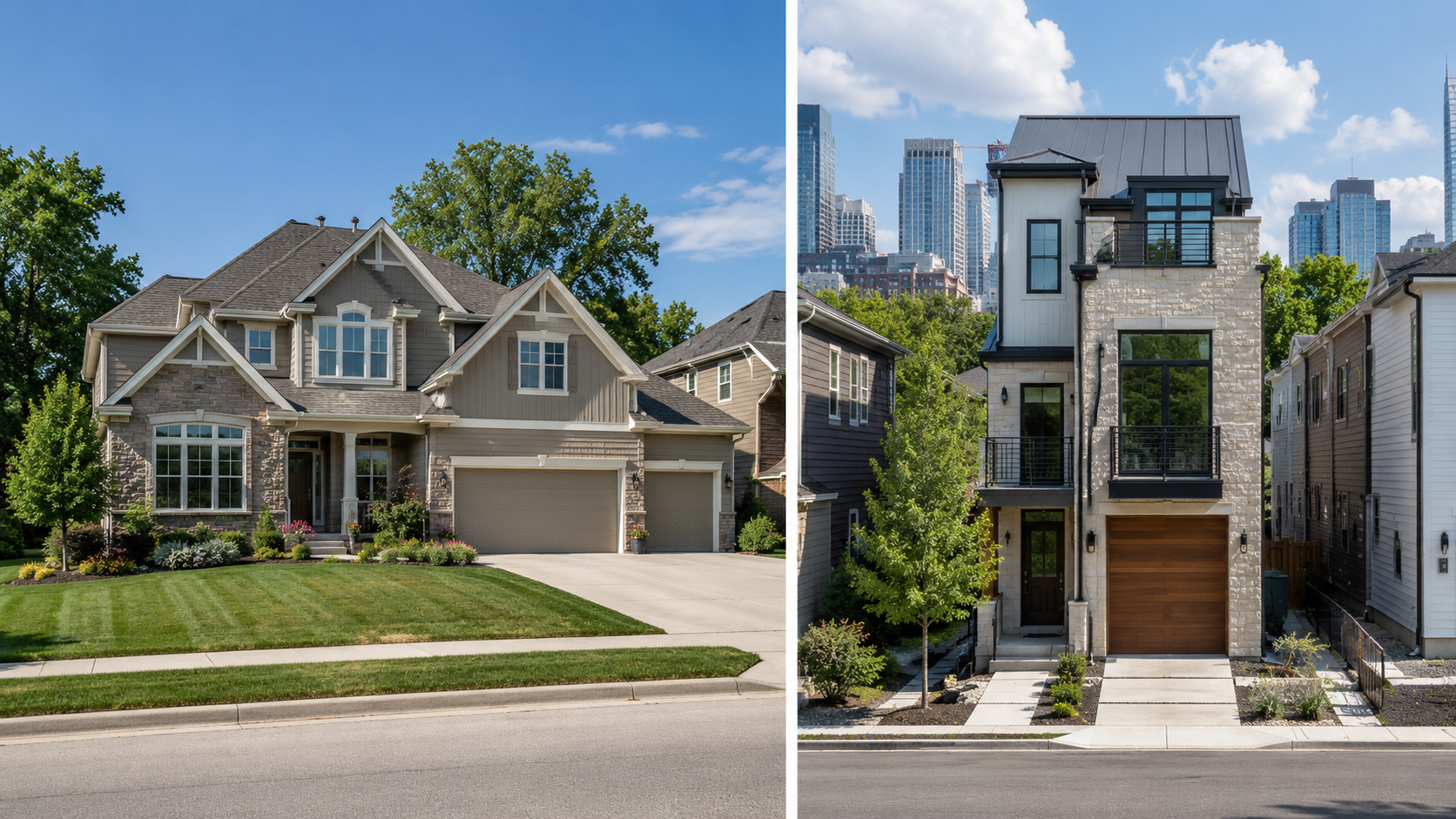
This is the comparison I run most because so many of my buyers are leaving Texas.
The 2026 Austin metro median home sale price sits around $426,000, up roughly 85% since 2019. Austin is genuinely cheaper than the coasts, and Texas has no state income tax, which is a real advantage. But against Kansas City, the housing math is not close.
Kansas City metro vs. Austin metro:
Median home price (2026): about $350,000 vs. about $426,000.
Overall cost of living: about 11% below the national average vs. near the national average.
State income tax: Missouri and Kansas both graduated vs. none in Texas.
The honest read: Austin wins on income tax. Kansas City wins on the actual cost of the house, by about $76,000 at the median. For a family, that gap in mortgage principal usually swamps the income tax difference. Run your own numbers, but that is the pattern.
Kansas City vs. Denver Cost of Living: It Is Not Even Fair
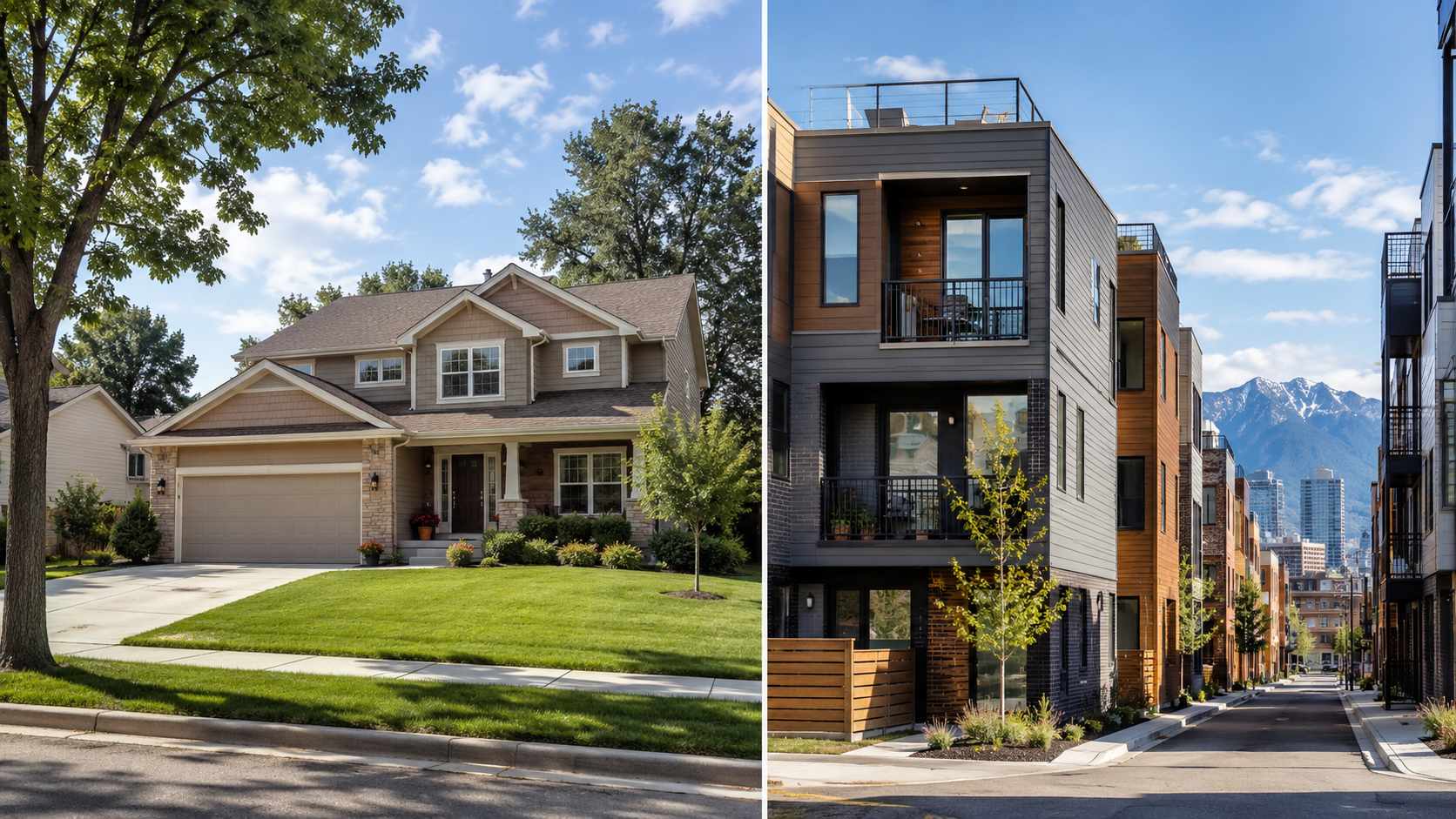
Denver is where the "$400K buys a condo" line stops being a punchline and starts being a listing.
The 2026 Denver metro median home price is hovering between $550,000 and $585,000, and some measures put it near $600,000. Denver's overall cost of living runs roughly 28 to 30% above the national average. Locals call the premium the "Sunshine Tax."
Put the two side by side. The same money that buys you a starter condo in Denver buys you a four-bedroom house with a yard, a basement, and a two-car garage in Liberty or Lee's Summit. Denver has the mountains. Kansas City has the equity. Only one of those shows up in your net worth.
Average Rent in Kansas City: The Renter's Number
Not everyone buys on day one, and the rent number is where KC quietly overdelivers.
Average rent in Kansas City in 2026 runs roughly $1,242 to $1,395 for a standard one- to two-bedroom. For comparison, a one-bedroom in Denver runs $1,600 to $1,900, and that is before you have bought a single thing to put in it.
The strategic move for relocation buyers: rent for 6 to 12 months in the submarket you think you want, then buy once you actually know the traffic patterns, the school boundaries, and which side of the state line fits your job. I would rather you rent smart than buy wrong. Nobody says that in a listing pitch, which is exactly why I am saying it.
Kansas City Property Taxes and the Tax That Averages Never Mention
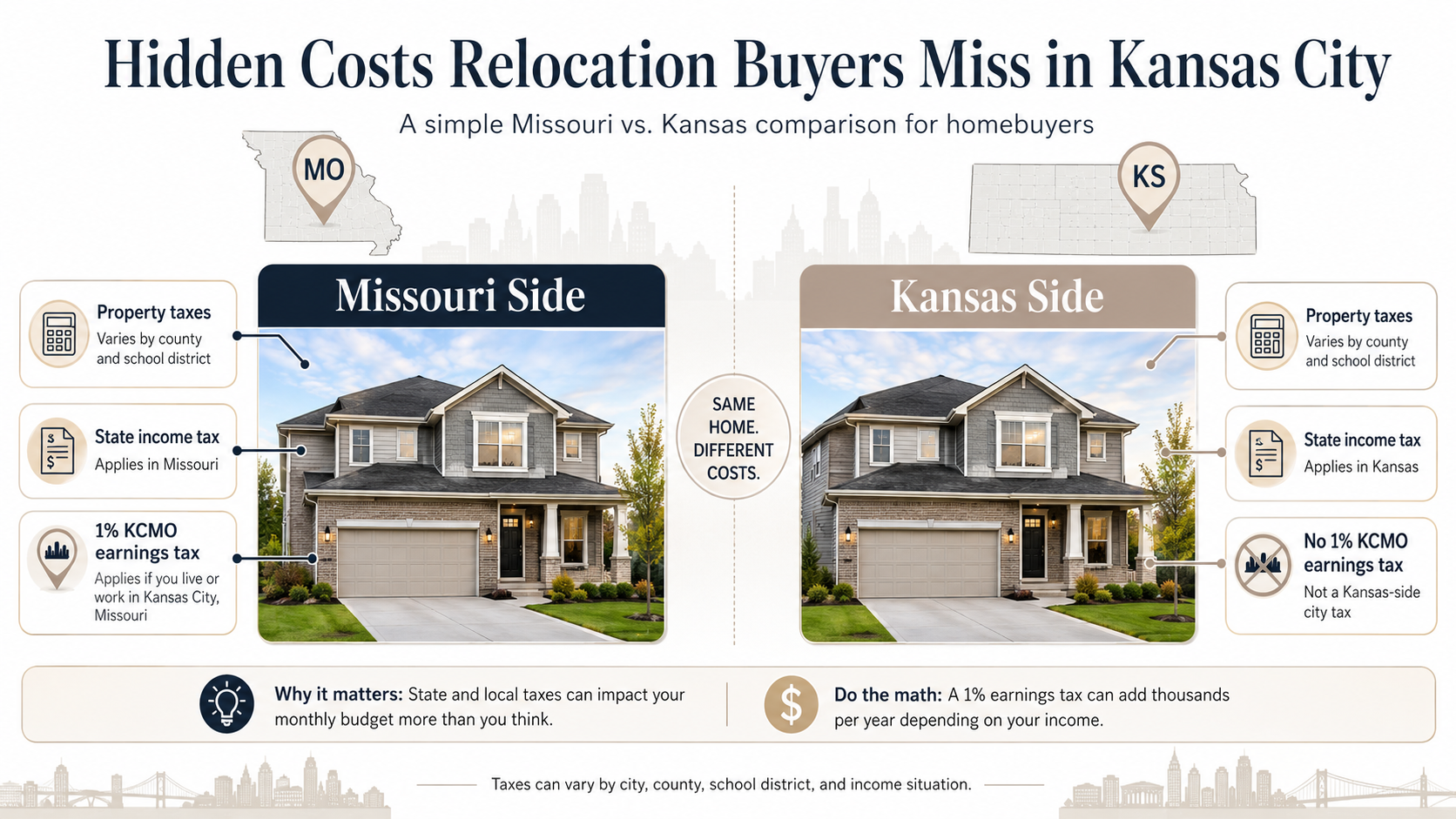
Here is the line item that no national cost-of-living index will ever show you, and it can cost you real money: the Kansas City earnings tax.
If you live or work inside Kansas City, Missouri, city limits, you pay a 1% earnings tax on your income. Live and work in Lee's Summit, Liberty, Blue Springs, Overland Park, or anywhere outside the KCMO line, and it does not touch you. On a $100,000 household income, that is $1,000 a year that a "cost of living index" silently ignores.
Then there is the state line. Missouri and Kansas have different property tax structures, different income tax brackets, and different school funding. Two identical houses at the same price, one in Missouri and one in Kansas, can produce meaningfully different annual carrying costs and different five-year resale outcomes.
This is the single most expensive thing relocation buyers get wrong. They shop by price and ignore the tax envelope around it. Get this backwards, and you can erase your housing savings without ever seeing the leak. For a full breakdown of how I take the guesswork out of it, our 100+ Point Marketing Plan shows the level of detail we bring to every side of a deal.
What a Real Monthly Life Costs Here
Beyond housing, the 2026 index data holds up across the board:
Healthcare: roughly 19 to 22% below the national average.
Groceries: about 3% below average.
Utilities: about 2 to 3% below average.
Transportation: roughly 13% below average.
Entertainment and everyday services: about 12% below average.
For context, the median household income in Kansas City is about $69,166. A single adult generally needs somewhere in the $50,000 to $60,000 range to live comfortably. That is a wage-to-cost ratio that most growth cities lost a decade ago.
Quick Answers to the Questions You Are Actually Asking
Is Kansas City cheaper than the national average?
Yes. Overall cost of living runs about 11% below the national average in 2026, with housing the biggest driver of the savings.
What is the median home price in Kansas City in 2026?
About $350,000 across the metro on closed sales, per Heartland MLS as of mid-2026. The number varies significantly by submarket and by which side of the state line you buy on.
Is Kansas City cheaper than Austin or Denver?
On housing, clearly yes, against both. The KC metro median is roughly $76,000 below Austin and $200,000 or more below Denver.
What salary do I need to live comfortably in Kansas City?
A single adult is generally comfortable around $50,000 to $60,000. Households scale up from there, but the bar is far lower than in Sunbelt or coastal metros.
Are property taxes high in Kansas City?
They are moderate, but the structure differs between Missouri and Kansas, and KCMO adds a 1% earnings tax that catches out-of-state buyers. Verify both before you make an offer.

The Bottom Line on Cost of Living in Kansas City in 2026
Averages tell you Kansas City is cheap. Real numbers tell you why and where the hidden costs actually sit.
Three things worth keeping:
Anchor to the $350,000 metro median, not the inflated average. That is your real starting line.
The state line is a financial decision, not a geographic one. Same price, different taxes, different outcome.
KC beats Austin and Denver on the number that builds your net worth: the price of the actual house.
If you are relocating and want your specific budget mapped to specific submarkets, schedule a call, and we will do it in one sitting. I have built here, flipped here, and sold here, so ask me the hard questions.
And if you are already a Kansas City homeowner reading this because you are quietly wondering what your place is worth in this market, pull a real home value estimate in about a minute. If you want to know what a fast, market-value cash option looks like with no repairs and no showings, see your cash offer here. No pressure either way.
Written by Jason DeLong, Heartland Homes KC at eXp Realty. Architecture degree from Kansas State University, 17+ years in the Kansas City market, 100+ homes built and 150+ homes flipped personally. Data current as of mid-2026 from Heartland MLS, the Council for Community and Economic Research cost of living index, and public market sources.


