
Buying Land in Missouri: Check This Before You Close
Buying Land in Kansas City: What to Check Before You Close
Land looks simple until the perc test fails and the nearest utility line is sixty thousand dollars away. That is the trap. A flat, pretty parcel with a road frontage sign feels like the easy version of real estate. No inspection surprises. No previous owner's bad taste to undo. Just dirt and possibility.
I have built more than a hundred homes and developed dozens of subdivisions across the Kansas City metro, and I can tell you the dirt is where deals go sideways. Buying land in Missouri is not the same as buying a house. The risk is not in what you can see. It is in what nobody tested before you got there.
This is the due diligence list I run on lifestyle and acreage parcels. Work through it before you close, not after. If you want a second set of eyes on a specific parcel, book a call with me and we will pressure test it together.
Why Raw Land Punishes the Optimists
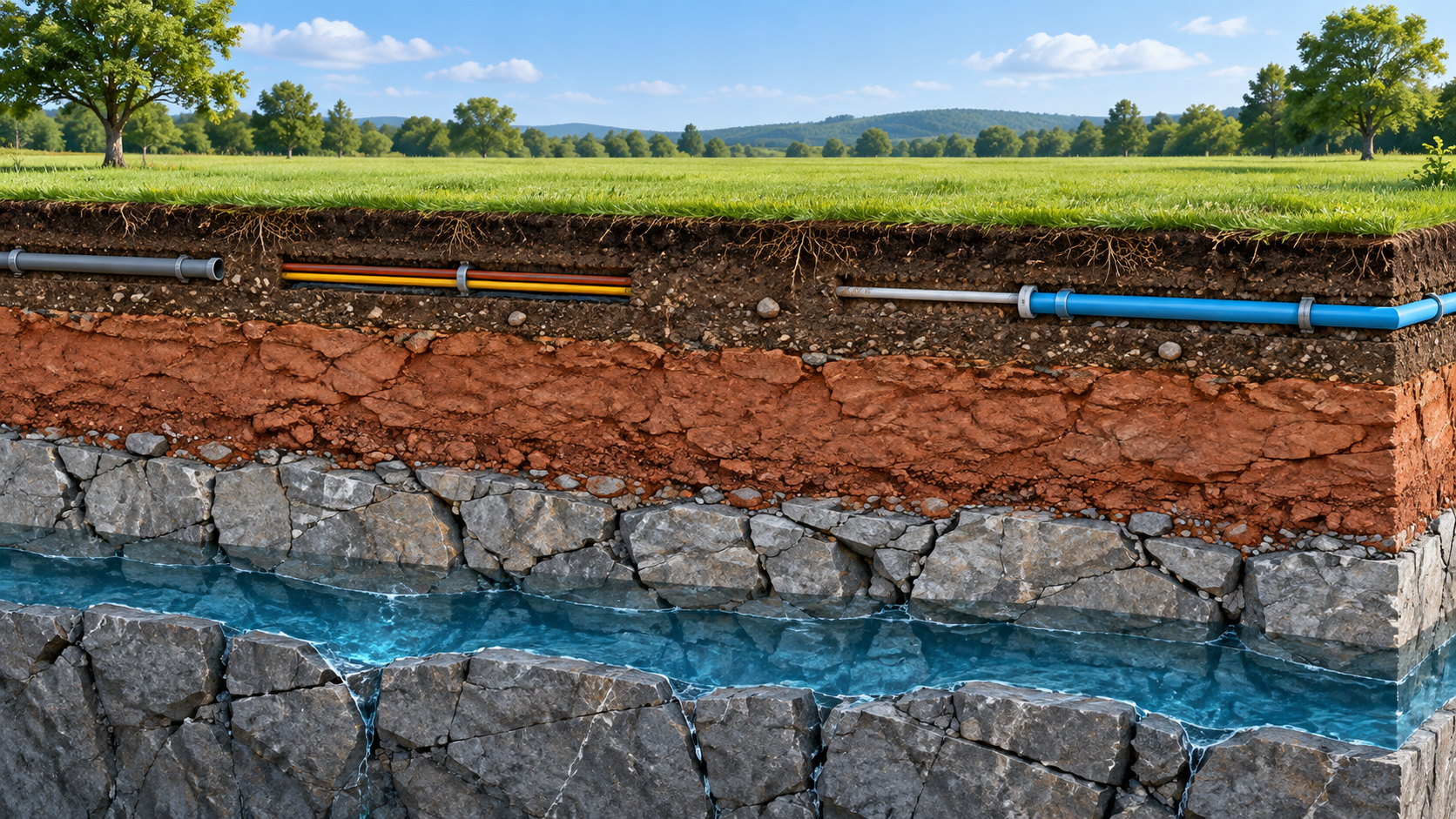
A house tells you most of its story. You walk it, you inspect it, you know roughly what you are getting.
Land hides its story underground. The soil, the water table, the utility distances, the zoning rules, and the easements are all invisible from the road. You cannot eyeball whether soil will drain. Even experts cannot. That is the whole reason testing exists.
As a Kansas City real estate agent who came up through architecture at Kansas State, I look at a parcel and immediately ask what it will cost to make it buildable. That number is almost never zero. Sometimes it is small. Sometimes it doubles your budget. The only way to know is to check. So let us check.
Start With the Perc Test Before You Fall in Love
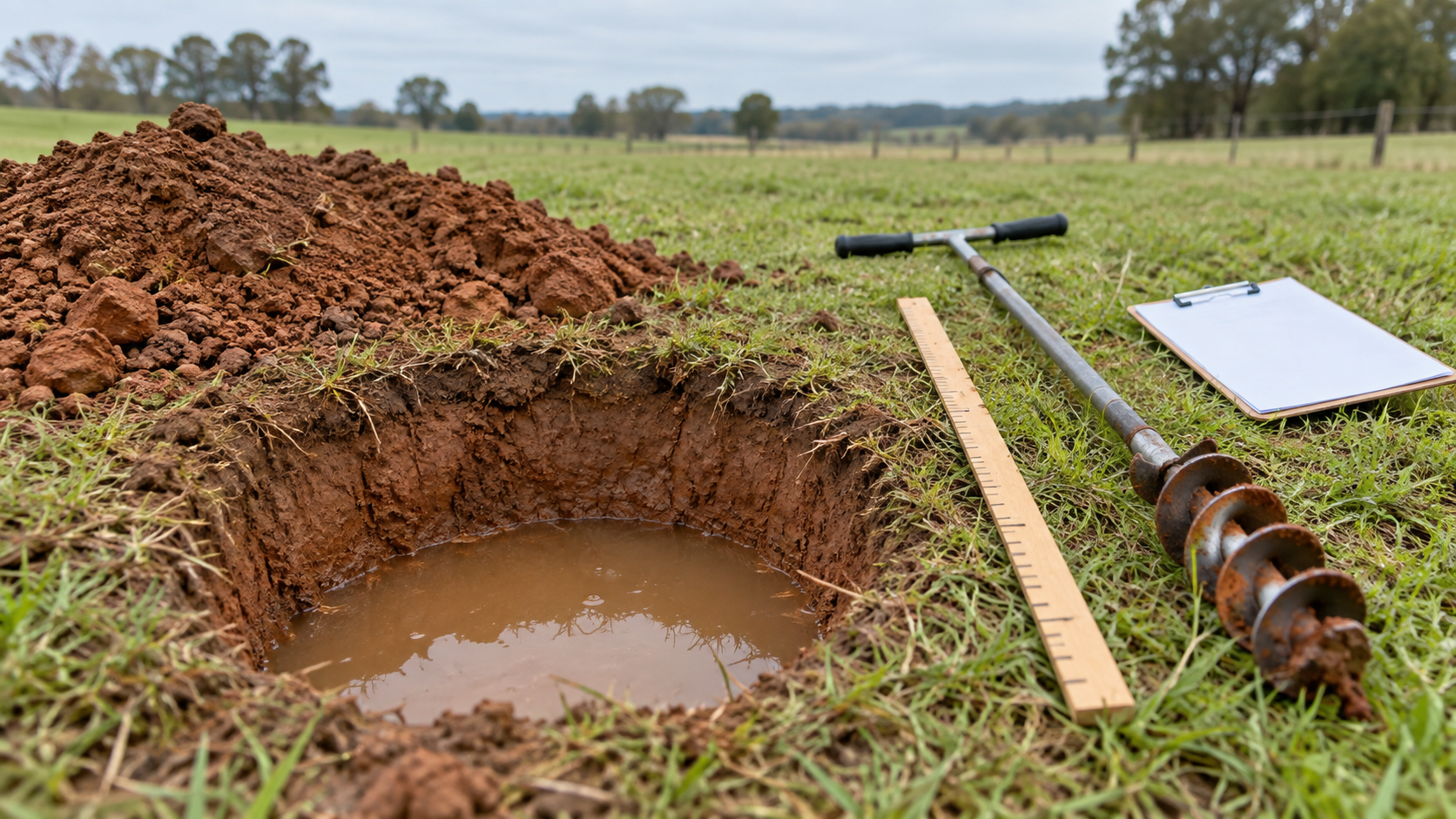
If the parcel is outside city sewer service, you need a septic system. Before you can put in a septic system, the soil has to prove it can absorb wastewater. That proof is the perc test, short for percolation test.
This is the single most important check on rural land, and most buyers skip it because they are already emotionally attached. Do not be that buyer. A perc test answers the real question you are asking, which is "can I build on this land at all."
What a Perc Test Costs in Missouri
A basic perc test with a couple of hand dug holes runs a few hundred dollars. A more involved test with machine dug holes on a larger acreage parcel, plus an engineer or soil scientist on site, can push toward two or three thousand.
Here is the honest range on perc test cost in Missouri:
Simple hand dug test: roughly $300 to $700
Standard test meeting county requirements: roughly $700 to $1,500
Deep or multi hole test on larger acreage: $2,000 to $3,000
Who pays is negotiable. In most land deals the buyer covers it as part of due diligence, because the buyer is the one who needs the answer. Write it into the purchase agreement so there is no argument later. Better yet, make your offer contingent on a passing perc test. That single clause has saved buyers from six figure mistakes.
What Happens When a Perc Test Fails
A failed perc test does not always kill the deal. It changes the math.
If the soil will not support a standard gravity septic, you are looking at an engineered or aerobic system instead. A conventional septic runs around $3,500 to $8,500. An aerobic system runs closer to $10,000 to $20,000. Same house, very different site cost, purely because of what the dirt can do.
A failed perc can also drop the land value by half or more. That is not a scare tab. That is the market pricing in the fact that the parcel may not be buildable. If you learn this before you close, it is leverage to renegotiate. If you learn it after, it is your problem.
Utilities Are the Sixty Thousand Dollar Question
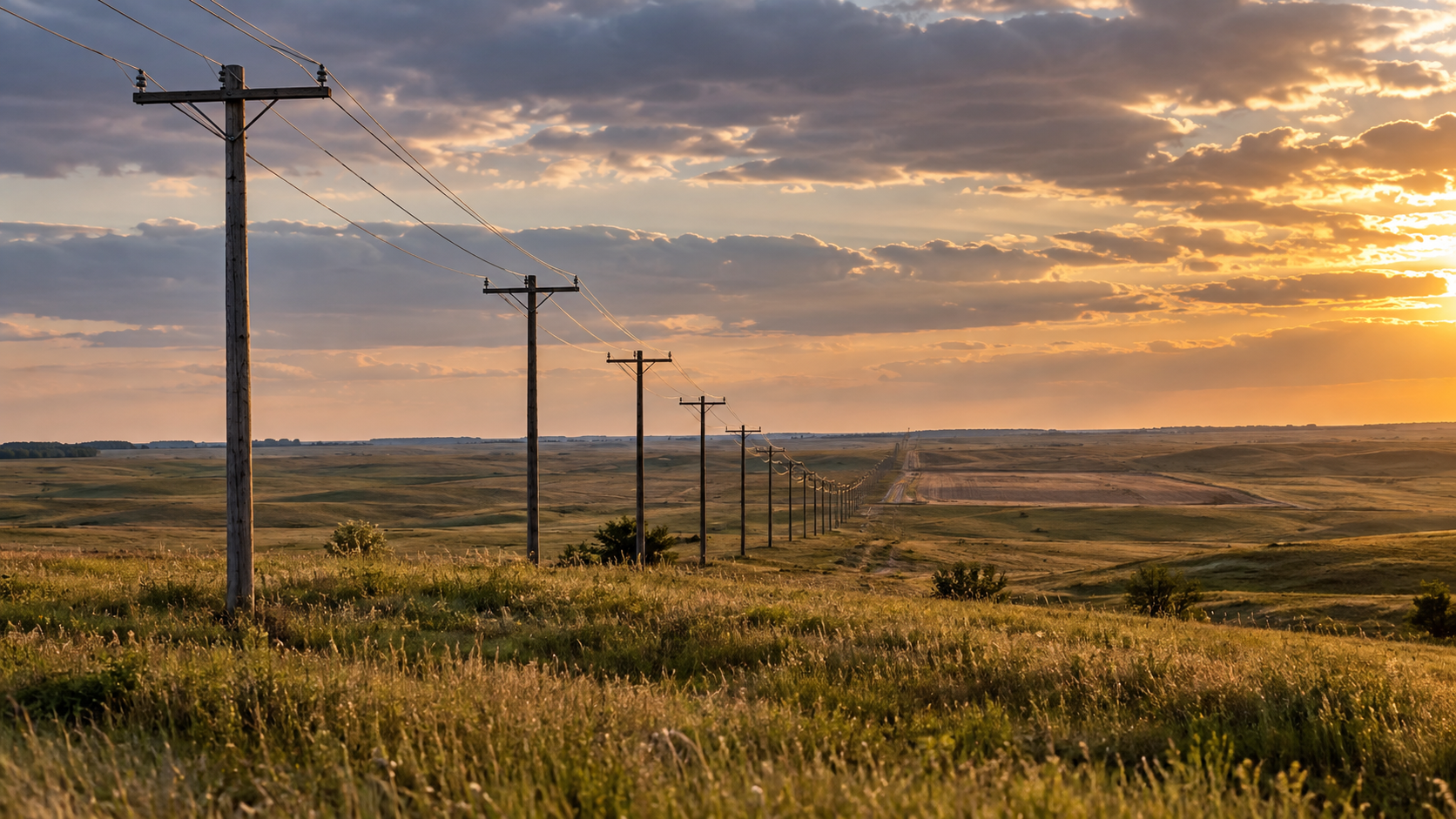
This is the line item that blindsides rural land buyers more than any other. A listing that says "utilities available" almost never means "utilities connected and cheap." It usually means a line exists somewhere in the area. The gap between somewhere in the area and at your building site can be enormous.
Before you buy, confirm rural land utilities in Missouri for the exact parcel, not the neighborhood.
Electric
If a pole sits at the property line, a hookup can be around $1,000. If the nearest pole is a quarter mile away, you are extending the line at roughly $10 to $50 per foot. A quarter mile run can land anywhere from thirteen thousand to sixty six thousand dollars depending on terrain and whether new poles are needed.
Call the local electric co-op and ask for a written service extension estimate to the exact building site. Do not trust the listing. Get it in writing.
Water and a Well
No city water main means a private well. Most residential wells run $5,000 to $15,000, drilled at roughly $25 to $65 per foot. If you have to drill deep to hit water, that number climbs past twenty thousand fast.
Pull the well logs from neighboring properties through the county. A neighbor's well that hit water at 150 feet tells a very different story than one that had to go 600.
Sewer or Septic
Covered above with the perc test, but budget it as a hard number. Well and septic together average around $13,500 and can pass $35,000 with bedrock or poor soil. This is real money and it comes before you pour a single foundation.
Gas and Internet
Propane is common on acreage, so budget for a tank and connection. Internet matters more than people admit. Confirm what actually reaches the parcel, because "close to town" and "has real service" are not the same thing.
Can I Build on This Land? Zoning, Deeds, and Easements
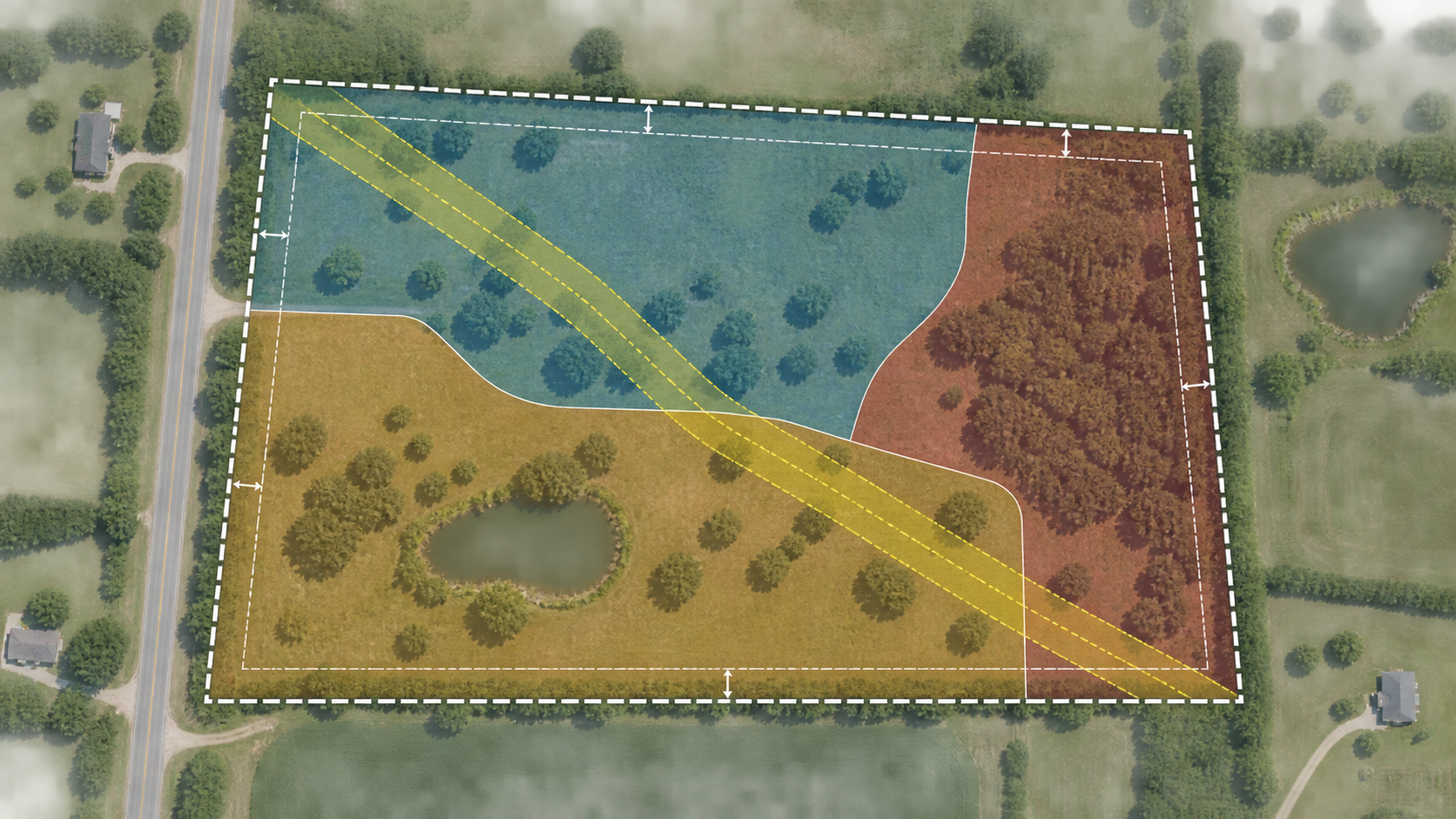
Even if the soil perks and utilities are close, the paperwork can still stop you cold. This is where "can I build on this land" gets answered by a planning office, not by you.
Zoning and Allowed Use
Call the county or city planning department and confirm the zoning and the allowed uses. Agricultural, residential, and commercial zoning all carry different rules. If your plan is a home, a barn, a short term rental, or an events venue, verify each one is permitted. I have watched buyers assume they could put up a second dwelling or run an Airbnb, then find out the zoning said no.
Deed Restrictions and Covenants
Zoning is the public rule set. Deed restrictions are private ones baked into the title. A parcel can be zoned to allow something the deed still forbids. Minimum square footage, building materials, livestock limits, and outbuilding rules all hide here. Read the actual deed. Do not take the seller's word for it.
Easements and Setbacks
An easement gives someone else a right to use part of your land. A utility easement, a shared driveway, or a neighbor's access route can eat into the usable area and dictate where you are allowed to build. Setbacks push your buildable footprint in from every property line. Together they can shrink a five acre parcel to a much smaller usable pad than the listing implies.
Floodplain and Wetlands
Pull the FEMA flood maps for the parcel. Land in a floodplain carries insurance costs, elevation requirements, and build restrictions. Wetlands can restrict development entirely. Both are easy to check and expensive to ignore.
Access, Survey, and Title
Legal Access
A landlocked parcel with no legal access is close to worthless until you fix it. Confirm the parcel has recorded legal access to a public road, not just a path the neighbor lets people use out of habit. Verbal permission is not access.
Boundary Survey
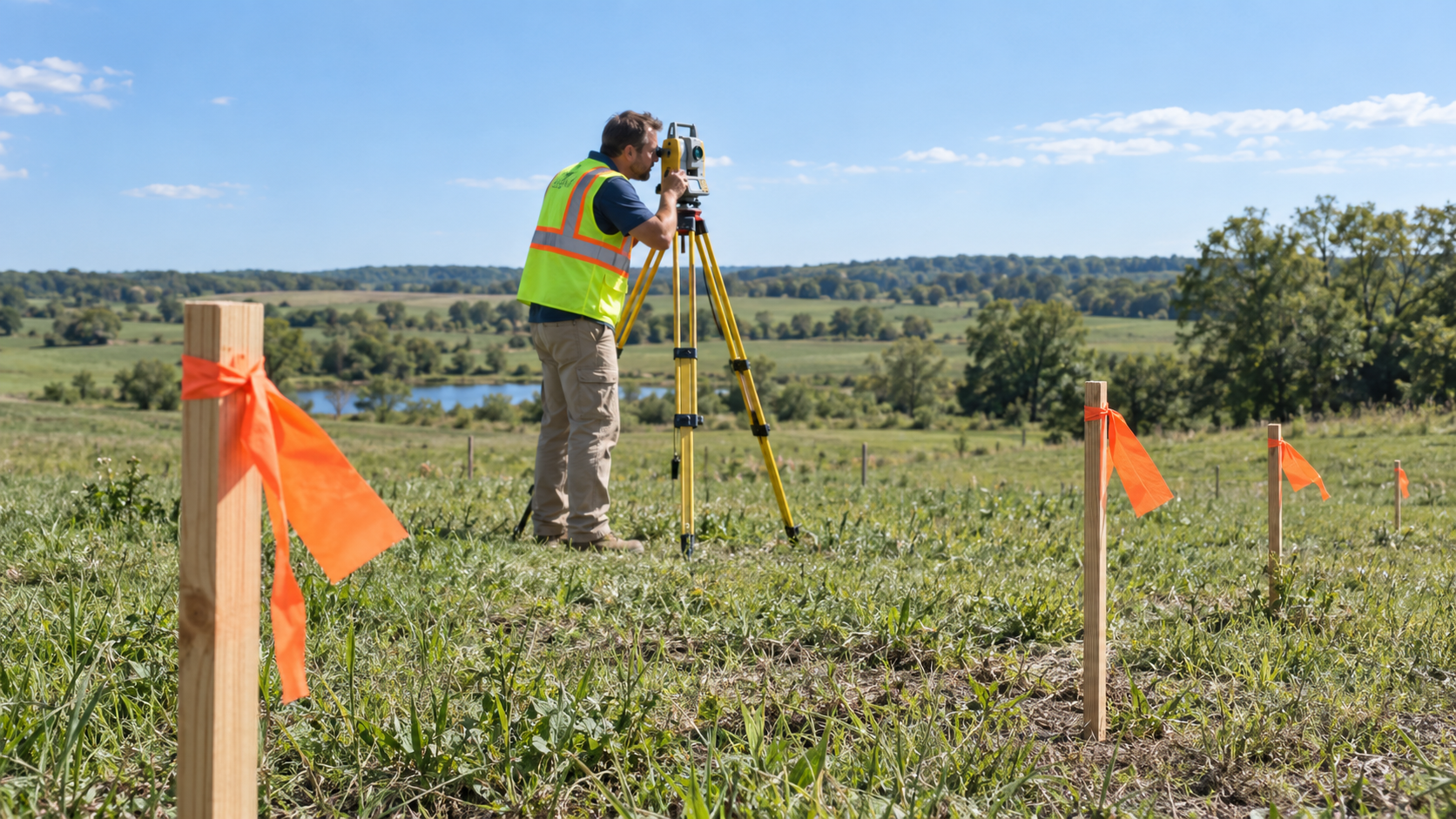
Order a current boundary survey. Old fence lines are not property lines, and I have seen more than one buyer discover the shed, the driveway, or the best building spot sits on the neighbor's dirt. A survey costs a few hundred to a couple thousand and settles the question for good.
Title and Mineral Rights
Run a full title search for liens, back taxes, and ownership gaps. On land, also ask who owns the mineral rights. In parts of Missouri the surface and the minerals below are owned separately, which can allow drilling or extraction on land you thought was fully yours.
Soil, Grade, and What It Costs to Make Land Buildable
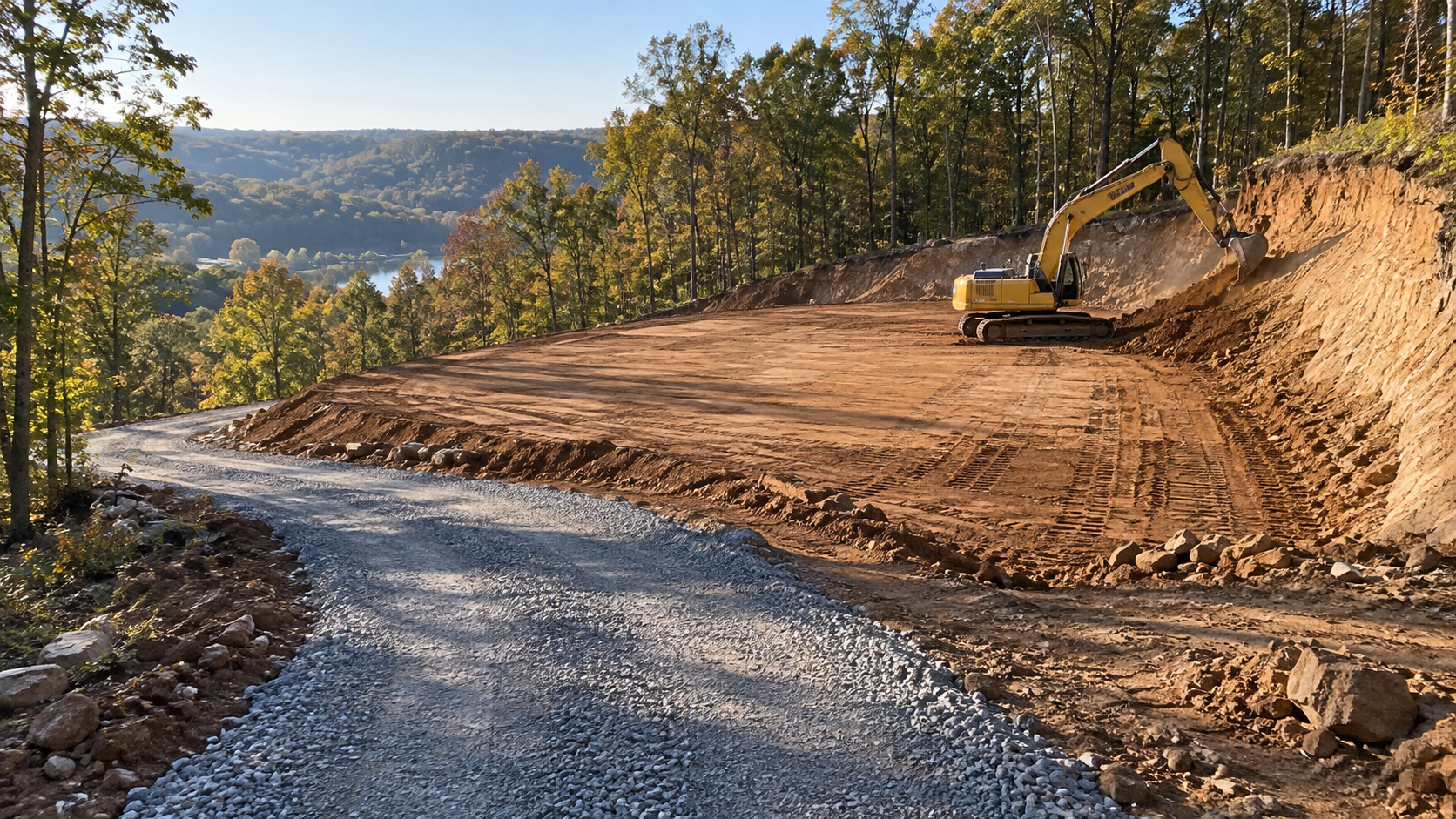
Here is where the architecture background changes how I read a parcel. Two lots at the same price are rarely the same deal once you account for site work.
Steep grade means expensive excavation and retaining before you can build.
Poor drainage means water sits where you do not want it.
Heavy rock means blasting or hauling.
Dense timber means clearing at $1,200 to $8,000 or more.
A long driveway on soft ground means a real road, not two ruts.
None of this shows up in the asking price. All of it shows up in your build budget. Price the finished, buildable parcel, not the raw one on the sign.
Financing Raw Land Works Differently
Do not assume a land purchase looks like a mortgage. It does not.
Land loans typically want a larger down payment, often 20 to 50 percent, and carry higher rates and shorter terms than a home loan. Raw land with no utilities is the hardest to finance. Improved land with power and access at the road is easier. Many buyers use a land loan first, then a construction loan once they are ready to build.
If your plan is to sell your current home to fund the land or the build, get clear on your equity before you commit. Knowing what your house is actually worth changes what you can responsibly buy. You can start with a quick home value estimate and go from there.
The Land Due Diligence Checklist
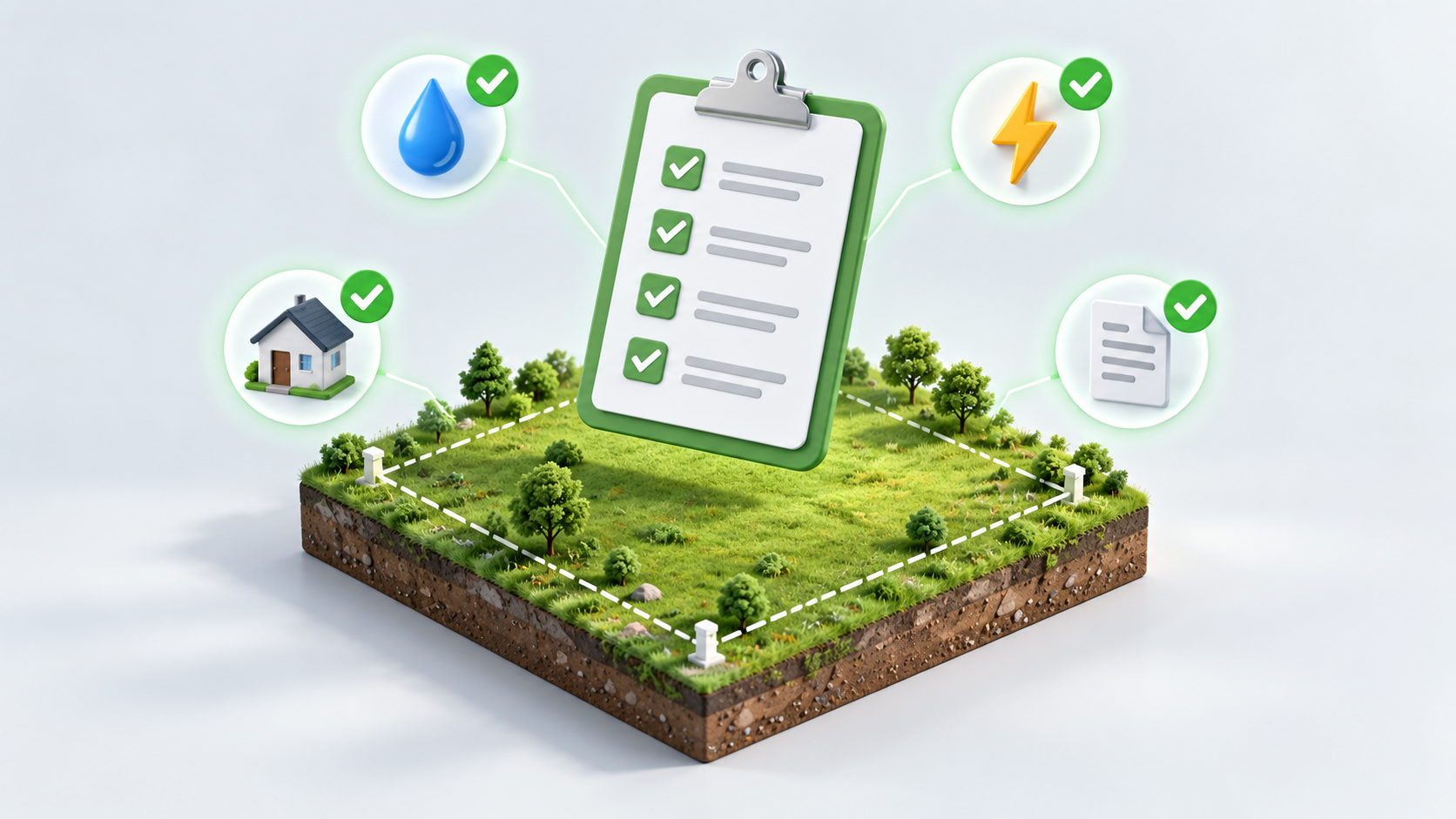
Run this list on every parcel before you close:
Perc test passed, or an engineered septic budgeted if it did not
Written utility extension estimates for electric, water, and gas to the exact site
Well logs from neighboring properties reviewed
Zoning and allowed uses confirmed with the county
Deed restrictions and covenants read in full
Easements and setbacks mapped against your build plan
FEMA flood map and wetlands checked
Legal recorded access to a public road verified
Current boundary survey ordered
Title search clear, mineral rights understood
Site work costs estimated for grade, drainage, rock, clearing, and driveway
Financing lined up with the right down payment and loan type
If every one of those has a real answer, you are buying with your eyes open. If any of them is a guess, you are gambling.
Where to Look and How We Help

Location still drives value on land the same way it does on houses. Some Kansas City neighborhoods and surrounding areas carry far stronger appreciation, better access, and easier utility runs than others. If you are weighing where to buy, browse our featured listings across Kansas City neighborhoods to see how location and price move together in the best neighborhoods in Kansas City and the acreage markets around them.
At Heartland Homes KC we do not just hand you a list of parcels. We underwrite the deal the way a builder would. Soil, utilities, zoning, site cost, and exit value all get priced before you commit. That is the difference between buying land and buying a problem.
If you already own a home and need to sell it to fund your land or your build, you have options beyond a slow traditional listing. Our cash offer program puts a market value cash offer in front of you fast, which matters when land timing is tight. For sellers who want to maximize their net on the open market instead, our 100 Point Marketing Plan shows exactly how we drive demand and price. We are not the typical cash home buyers in Kansas City who lowball and vanish. We give you the real menu and let the numbers decide.
Land can be the best asset you ever buy or the most expensive lesson you ever learn. The difference is the checklist above and a straight answer before you sign.
Ready to look at a specific parcel? Schedule a call and let us run the numbers together before you close.


